Counting the waves…
Counting the waves…

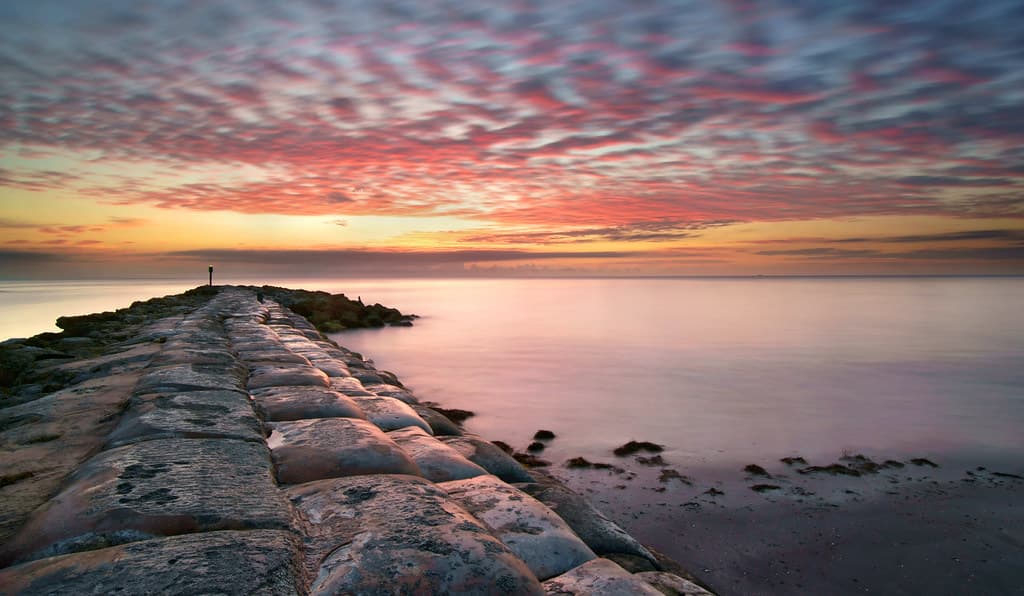
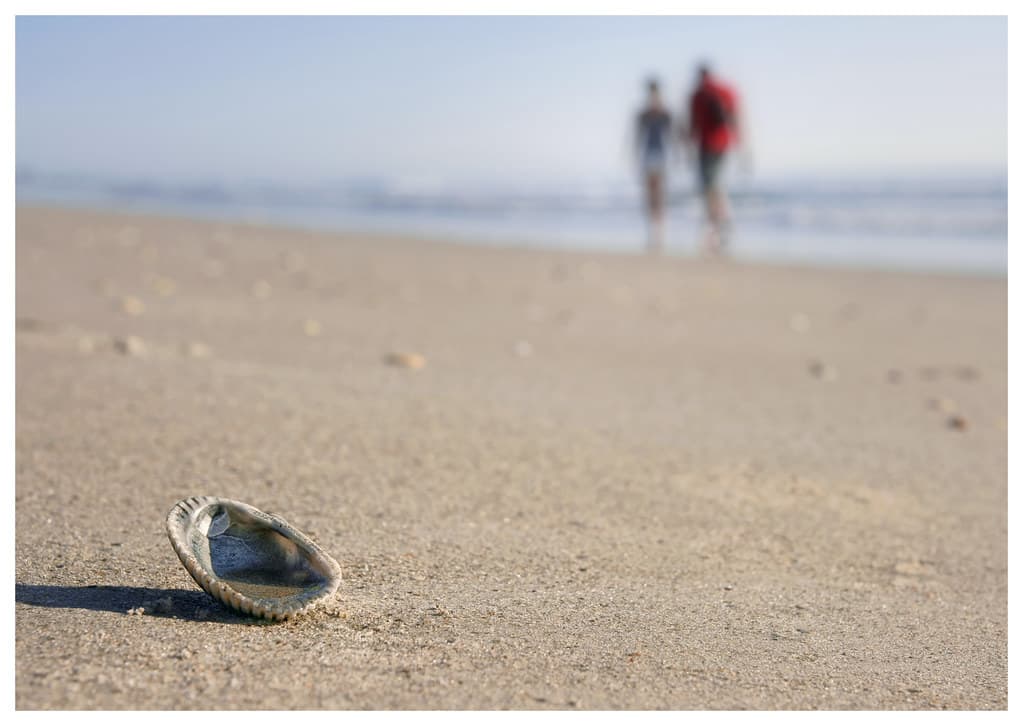
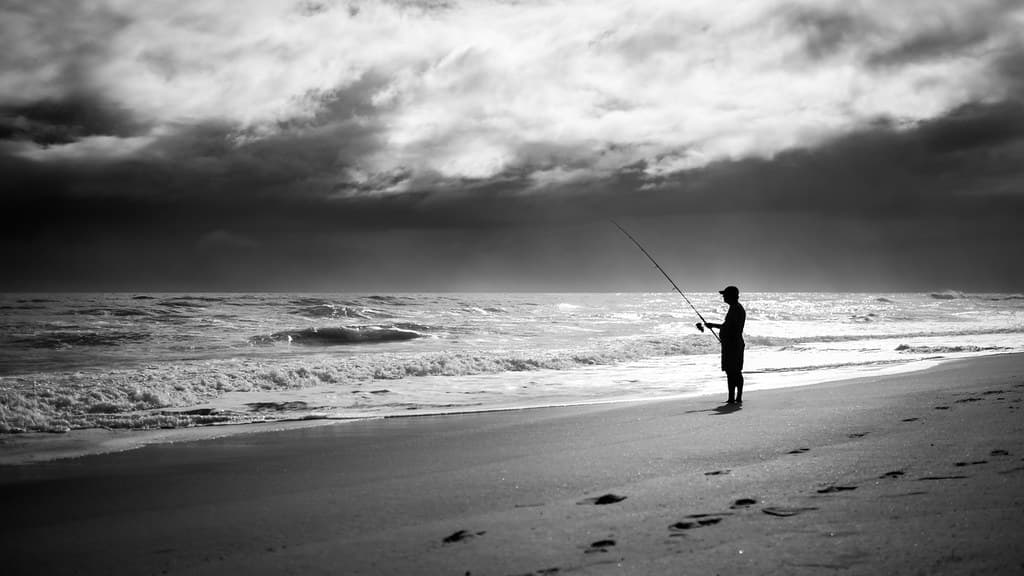
The sand beneath your feet is coarser than you expect—more golden-tan than white—packed firm enough for a barefoot jog past the iconic Cocoa Beach Pier, where anglers lean against weathered railings and the smell of fried grouper drifts down from Ron Jon's empire of neon just blocks inland. You watch a longboarder carve a lazy arc across a shoulder-high wave, wetsuit unzipped to the waist despite it being February, because the Gulf Stream keeps these waters forgiving even in winter. The beachfront hums with an easy, unselfconscious energy: families stake out territories with rainbow umbrellas, surf schools gather grommets in the shallows, and retirees walk the tide line hunting coquinas. You hear the distant rumble before you see it—a Falcon 9 climbing a white contrail into the blue, ten miles north at Cape Canaveral, and every head on the beach turns skyward in unison, a ritual as regular as the tides. As the sun drops toward the Banana River, the sky bruises into shades of mango and plum. You rinse off at one of the open-air showers, sand sluicing between the wooden slats, and realize this beach doesn't trade on exclusivity or untouched wilderness. It offers something rarer: a coastline that belongs equally to astronauts and locals, to first-time boogie-boarders and Kelly Slater, who learned to read waves on this very stretch.
Places, rentals, tours and events within walking and driving distance of Cocoa Beach.
Photos
Cocoa Beach is generally safe for swimming, with lifeguards stationed at major access points during daylight hours. Water conditions vary by season—summer months typically offer calmer, warmer waters ideal for families, while fall and winter bring larger waves popular with surfers. Always check the beach flag warning system: green means safe, yellow signals moderate surf or currents, red indicates dangerous conditions, and purple warns of marine life like jellyfish. Rip currents can occur, so swim near lifeguard stands and avoid swimming alone or at unguarded beaches.
Cocoa Beach enjoys pleasant weather year-round, but the best conditions are typically March through May and September through November. These shoulder seasons offer warm temperatures (75-85°F), lower humidity, and fewer crowds than peak summer. Summer (June-August) brings hot, humid weather with frequent afternoon thunderstorms, though ocean temperatures are warmest. Winter (December-February) is mild and dry, perfect for escaping northern cold, though ocean water is cooler (65-70°F). Hurricane season runs June through November, with September and October being peak months for potential storms.
Cocoa Beach is located about 45 minutes east of Orlando via the Beachline Expressway (SR 528), which is a toll road. From the north or south, take I-95 to SR 520 or SR 528. Orlando International Airport is the nearest major airport. Parking is available at numerous public beach accesses along A1A, with metered spots and small parking lots throughout town. Larger free parking areas include Lori Wilson Park and Sidney Fischer Park. Metered parking typically costs $1.50-$2 per hour. Arrive early on weekends and holidays, as spots fill quickly during peak season.
Cocoa Beach offers diverse dining from casual beachfront bars to seafood restaurants, particularly along A1A and the Cocoa Beach Pier area. Popular spots include fresh seafood venues and surf-themed eateries. The famous Cocoa Beach Pier features restaurants, bars, and shops. Accommodations range from budget motels to beachfront resorts and vacation rentals, with many concentrated along A1A. Amenities include surf shops, beach equipment rentals, convenience stores, and parks with restrooms, showers, and picnic facilities. The nearby Ron Jon Surf Shop, open 24 hours, is a landmark destination for beach gear and souvenirs.
Yes, Cocoa Beach offers excellent rocket launch viewing opportunities from Kennedy Space Center, located about 15 miles north. Many launches are visible directly from the beach, especially along northern stretches or from elevated areas like the Cocoa Beach Pier. For optimal viewing, check NASA's launch schedule in advance and arrive early, as beaches become crowded before launches. Clear weather and daytime launches provide the best visibility. While you won't see the same detail as closer viewing areas, watching a rocket ascend over the Atlantic from the beach is a memorable, uniquely Floridian experience combining space history with coastal scenery.