Counting the waves…
Counting the waves…

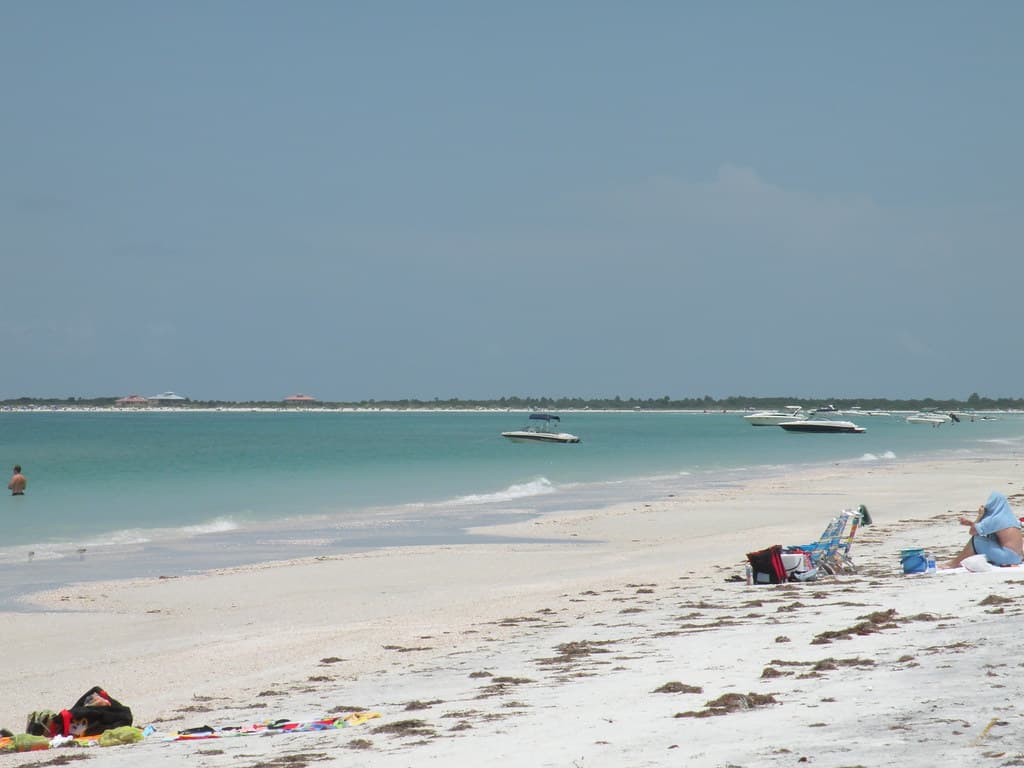
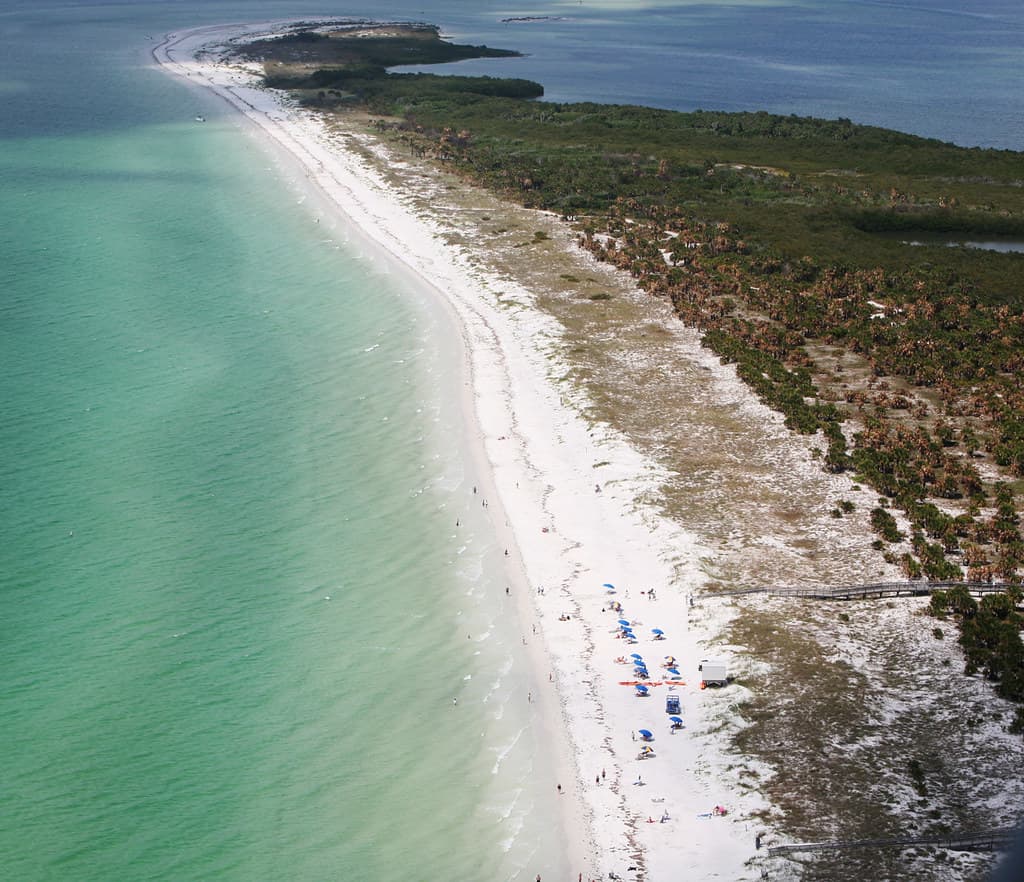
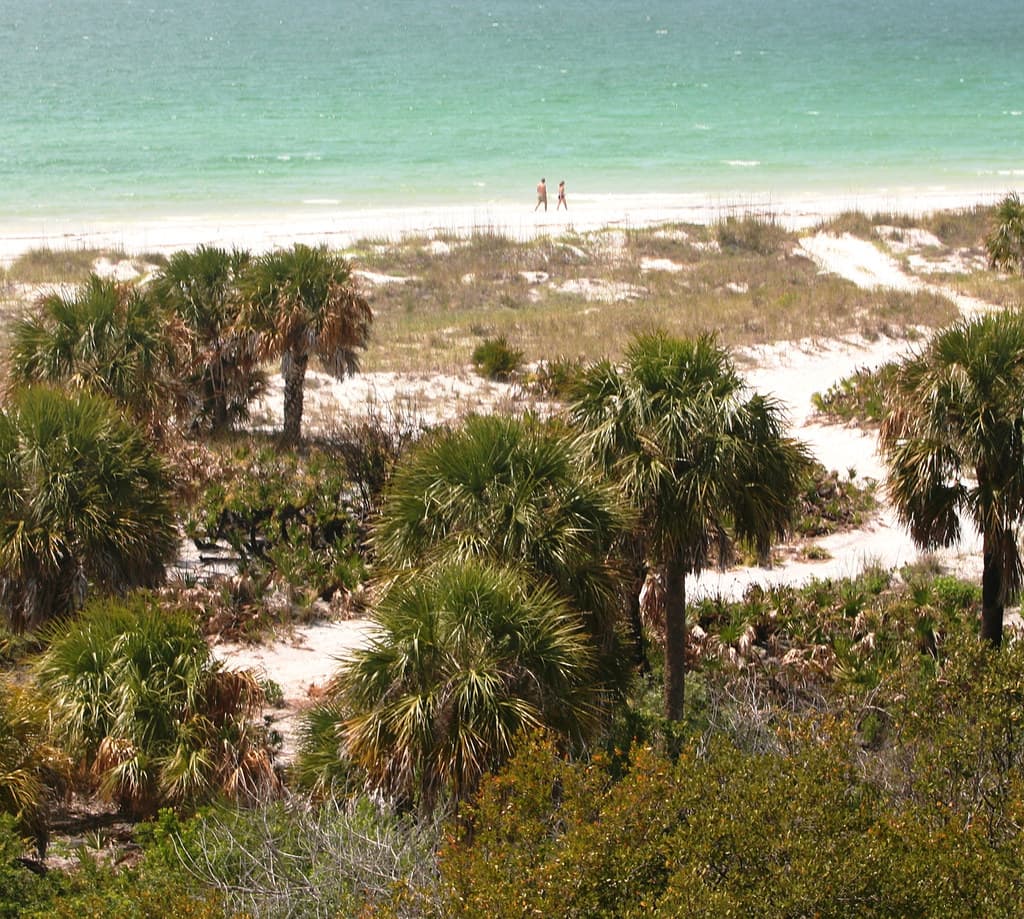
Caladesi Island earned its seclusion the hard way. A 1921 hurricane severed this three-mile crescent from the mainland, and the state bought it in 1968 before developers could dredge a causeway. Today you'll arrive by passenger ferry from Honeymoon Island—the trip takes twenty minutes—or pilot your own boat into the sixty-slip marina on the bay side. Either way, you'll leave asphalt behind. The sand here isn't coral or shell; it's ground Appalachian quartz carried south by ancient rivers, then bleached bone-white by sun and surf. It squeaks audibly underfoot when dry. Walk north along the wrack line and you'll collect lightning whelks and scallop shells still hinged together. Slash pines and cabbage palms lean over the dunes, and a three-mile nature trail loops through the island's interior, where you might spot a gopher tortoise or an armadillo rooting in the leaf litter. The Gulf here is bath-warm from May through October, gin-clear on calm mornings. Arrive early if you're visiting on a weekend—the park caps daily visitors at 250. By late afternoon the last ferry's horn echoes across the bay, and you'll head back knowing you've seen Florida as it was before the highrise cranes arrived.
Places, rentals, tours and events within walking and driving distance of Caladesi Island State Park Beach.
Photos
Swimming at Caladesi Island is generally safe, with calm, clear Gulf waters ideal for families. The beach has lifeguards on duty during peak hours. Watch for occasional jellyfish, especially in summer months, and always check posted flags for current conditions. Stingrays may be present in shallow water—shuffle your feet when entering to avoid stepping on them. Strong currents are rare but can occur during storms or high winds. The gradual slope and protected location make it one of Florida's safer swimming beaches year-round.
Caladesi Island is beautiful year-round, but the best weather occurs from October through May, with comfortable temperatures (70-85°F), lower humidity, and minimal rain. Winter months offer the most pleasant conditions and spectacular sunsets. Summer (June-September) brings heat, humidity, and afternoon thunderstorms, plus more crowds during holidays. Weekdays are less crowded than weekends regardless of season. Early morning visits provide the calmest waters and best shelling opportunities. Hurricane season runs June through November, though the beach typically remains accessible except during actual storms.
Caladesi Island is only accessible by boat—there's no bridge or causeway. Most visitors take the Caladesi Connection ferry from Honeymoon Island State Park in Dunedin (parking $8 per vehicle, ferry $16 adults round-trip). The ferry runs hourly and the ride takes about 20 minutes. Alternatively, rent a boat, kayak from Honeymoon Island (approximately 1 mile), or arrive via private vessel at the 108-slip marina. Advanced ferry reservations aren't required but arrive early on weekends as parking at Honeymoon Island fills quickly.
Caladesi Island has limited amenities to preserve its natural character. The Café Caladesi concession stand near the marina serves burgers, sandwiches, snacks, and cold drinks. Bring cash as card readers can be unreliable. Facilities include restrooms, outdoor showers, and picnic pavilions with grills. No lodging exists on the island—it's a day-use park only. For more dining and accommodation options, stay in nearby Dunedin or Clearwater Beach, both offering numerous restaurants and hotels within a 20-30 minute drive to the Honeymoon Island ferry departure point.
Caladesi Island is renowned as one of Florida's premier shelling destinations. The undeveloped island's three-mile shoreline collects abundant shells, especially after storms or during low tide. Common finds include sand dollars, scallops, whelks, and conchs. Early morning provides the best shelling before other visitors arrive. The north end of the island typically offers the most productive shelling areas. Florida law allows collecting empty shells but prohibits taking live specimens. Bring a mesh bag for your finds and wear water shoes for comfortable beachcombing along the pristine shoreline.