Counting the waves…
Counting the waves…

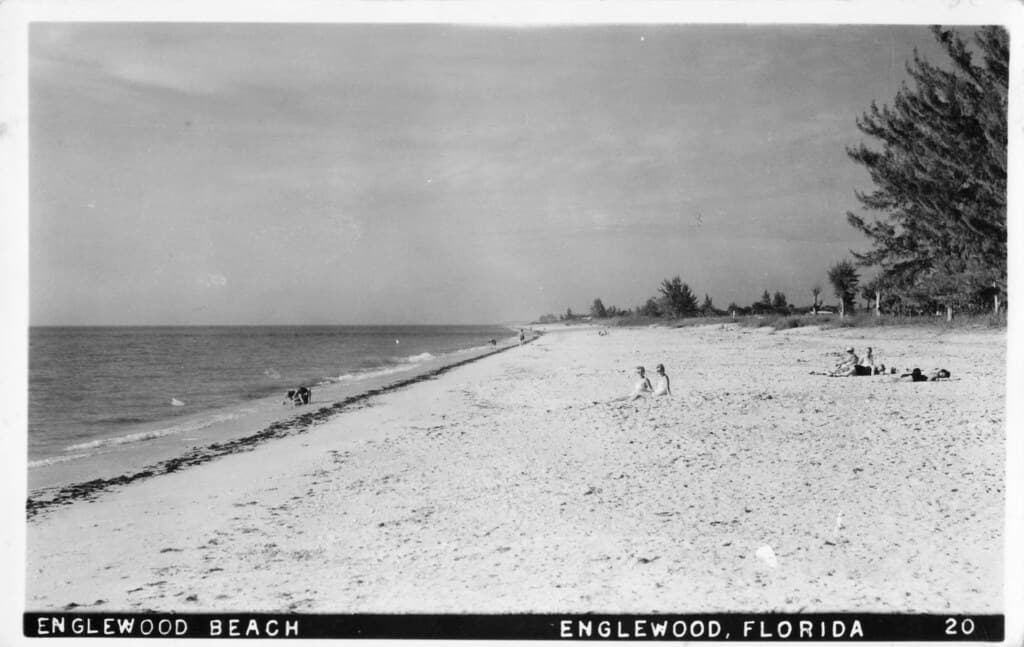
The beach parking lot empties directly onto a wide apron of tan sand backed by natural dunes that ripple north and south in gentle, grass-tufted waves. You're in Englewood, squarely between the tourist magnets of Sarasota and Fort Myers, which means families spread blankets ten yards apart instead of ten inches. The Gulf here slopes so gradually that wading out fifty feet still leaves the water below your knees, ideal for children crouched with plastic buckets and adults bent double, eyes trained on the wrack line where fossilized shark teeth glint black against crushed shell. By late afternoon the sun sinks into the Gulf in shades of tangerine and rose, and you'll notice couples staking out the weathered wooden benches near the pavilion, thermoses of wine tucked beside them. The beach faces due west, so every clear evening delivers a performance. Stay past the last blush of twilight and you'll hear the soft hiss of nocturnal ghost crabs emerging from their burrows, skittering sideways across still-warm sand. Manasota doesn't court crowds; it courts contentment. There are no jet-ski rentals, no tiki bars blaring reggaeton, no influencers angling for the perfect drone shot. Just the low thunder of Gulf surf, the salt-and-iodine perfume of seaweed drying in the sun, and the particular satisfaction of pocketing a tooth millions of years old.
Places, rentals, tours and events within walking and driving distance of Manasota Beach.
Photos
Manasota Beach is generally safe for swimming, with calm Gulf waters suitable for most swimmers. The beach has gradual depth changes, making it family-friendly. However, like all Florida Gulf beaches, be aware of occasional rip currents, especially during storms or rough weather. Check local flag warning systems before entering the water. The beach is unguarded in some sections, so supervise children closely. Jellyfish can be present seasonally, particularly in warmer months. The beach's quieter nature means fewer crowds but also less immediate assistance if needed.
Manasota Beach is enjoyable year-round, though different seasons offer distinct experiences. Winter and spring (December-April) provide comfortable temperatures in the 70s-80s°F with lower humidity and fewer afternoon thunderstorms, making these peak months. Summer (June-August) brings hot, humid weather with frequent afternoon rain showers but warmer water temperatures. Fall offers pleasant conditions with smaller crowds. For spectacular sunsets over the Gulf, visit any evening year-round. Hurricane season runs June through November, so monitor weather forecasts during these months.
Manasota Beach has a public parking area off Manasota Beach Road in Englewood, accessible via State Road 776. The parking lot is moderately sized and fills quickly on weekends and holidays, so arrive early, especially in peak season. Parking is typically free but spaces are limited. From the lot, a short boardwalk leads over the dunes to the beach. The beach is located about 20 minutes south of Venice and 30 minutes from Port Charlotte. No public transportation serves the beach directly, so a personal vehicle is necessary.
Manasota Beach itself has minimal on-site facilities—no restaurants, concessions, or hotels directly at the beach, preserving its natural, quiet character. Visitors should bring their own food, drinks, and beach supplies. The nearby town of Englewood, roughly 10-15 minutes away, offers various dining options, grocery stores, and casual beachside restaurants. Accommodation options including hotels, vacation rentals, and condos are available in Englewood and along Manasota Key. For more extensive lodging and dining choices, Venice and Sarasota are within a 30-45 minute drive.
Yes, Manasota Beach is known as one of Florida's premier locations for finding fossilized shark teeth, particularly after storms or during low tide. The beach's position along the Gulf allows prehistoric teeth from ancient shark species to wash ashore from offshore fossil deposits. Look in the shell line and shallow water, focusing on darker, triangular objects among the shells. Early morning after high tide often yields the best results. Bring a small mesh bag or sifter to help your search. Some teeth found can be millions of years old, making this a unique attraction for collectors.