Counting the waves…
Counting the waves…

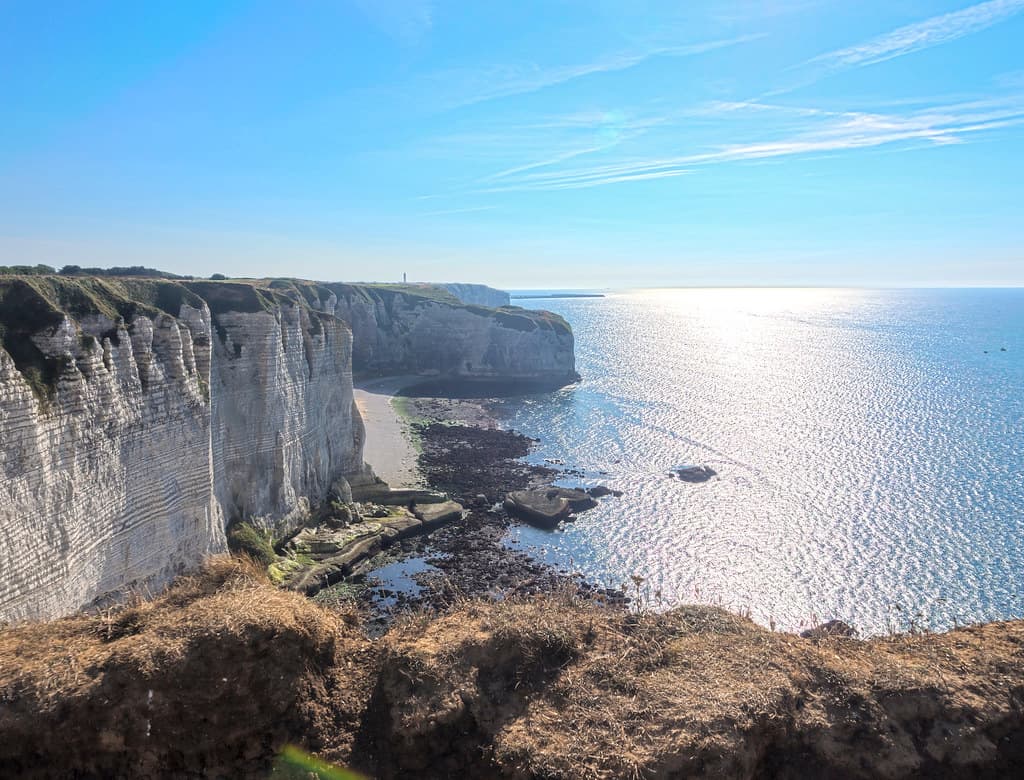
The sand at Ponce Inlet runs amber and tawny where the Halifax River meets the Atlantic, depositing fine sediment that packs hard enough for early-morning joggers and ghost crabs alike. You'll notice the quiet first—no high-rise shadows, no tiki-bar bass—just the rhythmic thump of waves breaking over coquina outcroppings that jut from the shallows like the ribs of shipwrecks. The 175-foot Ponce de León Inlet Lighthouse, built in 1887, anchors the northern end, its brickwork still warm at dusk. Surfers paddle out near the jetty where the inlet current sweeps south, carving shifting sandbars into rideable peaks. The water here tastes saltier than the beaches ten miles north, the Gulf Stream's influence pulling deeper blues into view on clear days. Sea turtles nest between May and October; you'll see the wooden stakes and yellow tape cordoning off clutches in the soft sand above the tide line. By late afternoon, the beach empties except for a few anglers casting into the channel and couples spreading blankets to watch the sun drop behind the Intracoastal. The breeze carries the faint diesel note of charter boats heading home, mixing with the iodine tang of seaweed drying on the wrack line. This is Florida before the theme parks, before the condo boom—just sand, salt, and the lighthouse keeper's ghost still counting ships.
Places, rentals, tours and events within walking and driving distance of Ponce Inlet Beach.
Photos
Ponce Inlet Beach is generally safe for swimming, though conditions vary. The area near the inlet itself can have stronger currents and is better suited for experienced swimmers and surfers. The beach farther north offers calmer waters ideal for families. Lifeguards are stationed seasonally at certain sections. Always check local surf reports and flag warnings before entering the water. Rip currents can occur, especially during storms or high surf. The beach is also popular with surfers due to consistent waves near the jetty.
Ponce Inlet Beach is enjoyable year-round due to Florida's mild climate. Spring (March-May) and fall (September-November) offer pleasant temperatures, fewer crowds, and lower accommodation rates compared to summer. Summer brings warmest water temperatures but more visitors and occasional afternoon thunderstorms. Winter sees cooler air temperatures but remains comfortable for beach walks and wildlife viewing. Sunset viewing is spectacular throughout the year. For surfing, fall and winter typically bring better wave conditions. Early mornings any season provide the most peaceful beach experience.
Ponce Inlet Beach offers several parking options. Free public parking is available at Lighthouse Point Park near the historic lighthouse, though spaces fill quickly on weekends. Additional metered and free parking spots exist along South Peninsula Drive. From Daytona Beach, drive south on A1A approximately 10 miles; from New Smyrna Beach, head north on A1A. The beach is also accessible via Dunlawton Avenue (State Road 430) heading east. Arrive early during peak season for better parking availability, especially near the lighthouse area.
Ponce Inlet offers a quieter, more residential atmosphere than nearby Daytona Beach, with fewer high-rise hotels. Accommodations include beachfront vacation rentals, small inns, and nearby chain hotels. Locally-owned seafood restaurants cluster around the inlet marina, serving fresh catches with waterfront views. Racing's North Turn and Down the Hatch are popular dining spots. For groceries and more dining variety, nearby Daytona Beach Shores and Port Orange (both within 10 minutes) provide additional options. The area emphasizes a relaxed, local vibe over tourist-heavy commercial development.
Yes, the iconic 175-foot Ponce de Leon Inlet Lighthouse is adjacent to the beach and a major attraction. Built in 1887, it's Florida's tallest lighthouse and visitors can climb its 203 steps for panoramic ocean and inlet views. The lighthouse grounds include a museum complex with historic keeper's cottages and exhibits on maritime history. Admission fees apply separately from beach access. The lighthouse is located at the southern tip of the beach peninsula, making it easy to combine a beach day with lighthouse exploration in one visit.