Counting the waves…
Counting the waves…

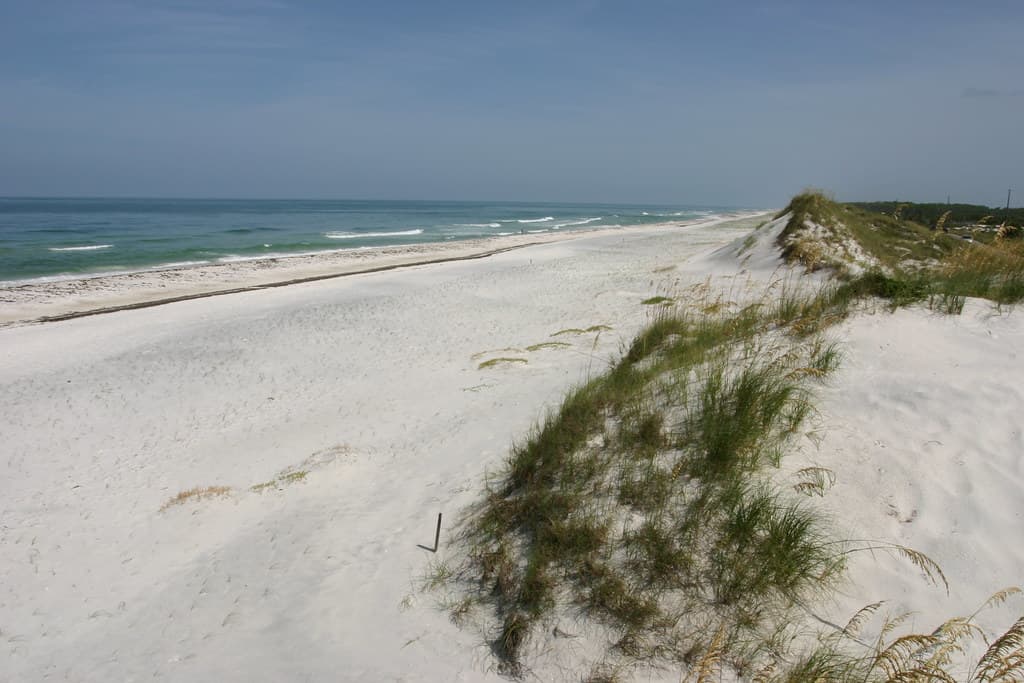
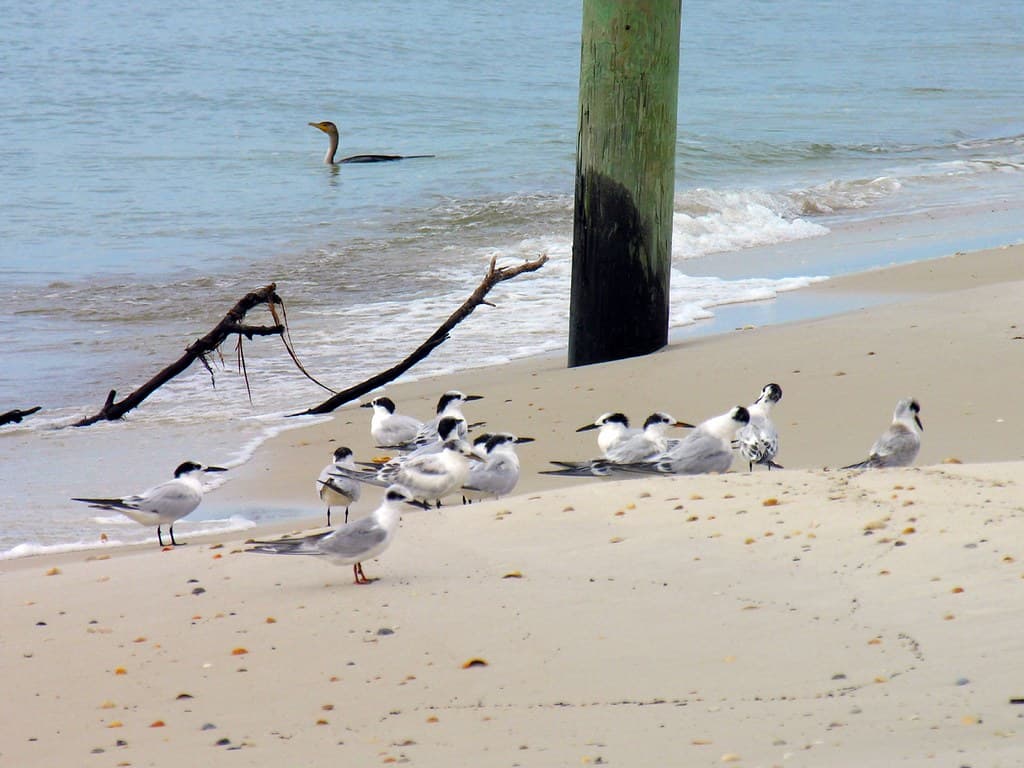
Your first steps onto this eight-mile ribbon of beach reveal why Dr. Beach has repeatedly ranked it among the nation's finest: the sand possesses an almost weightless quality, each grain polished smooth by ceaseless waves. Slash pines frame the access boardwalks, their resinous scent mixing with salt air as you cross dunes that rise twenty feet high in places, sculpted by wind into soft ridges that change shape with every storm. The park occupies nearly the entire peninsula, a rare feat of conservation that keeps the shoreline blissfully undeveloped. You'll share the beach with families spreading blankets near Cabin Road, anglers casting into the surf at the north end, and solitary walkers tracking the tide line for whelk shells and sand dollars. The water wades out gently—perfect for children—with a seabed of smooth sand rather than rock or reef. Timing your visit for late afternoon rewards you with sunsets that ignite the entire western sky, the sun dropping into the Gulf in shades of tangerine and violet while ghost crabs emerge from their burrows. The park's two campgrounds offer spots within earshot of waves; cabin rentals perch on stilts overlooking the dunes. Come November through February, you might spot a bald eagle soaring above the pines, or dolphins arcing just beyond the breakers.
Places, rentals, tours and events within walking and driving distance of St. Joseph Peninsula State Park Beach.
Photos
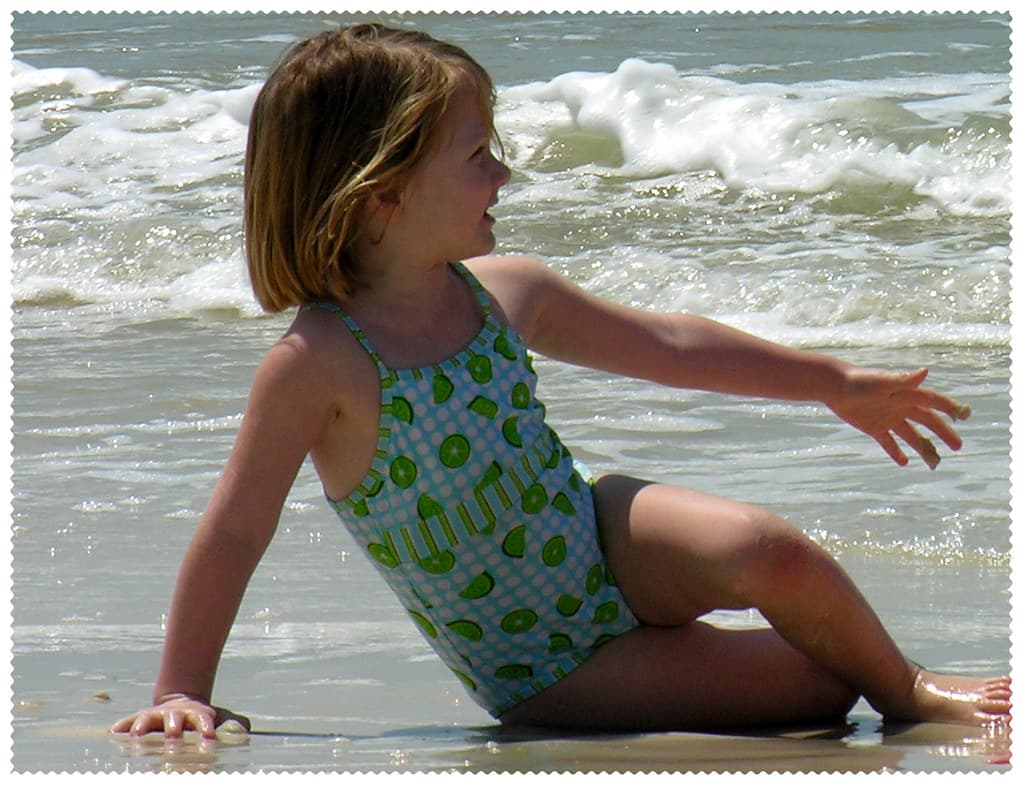
Swimming is generally safe at St. Joseph Peninsula, with calm, clear Gulf waters ideal for families. The beach features gradual slopes and gentle waves most of the year. However, always check for posted warnings about rip currents, especially during storms or high winds. There are no lifeguards on duty, so swim at your own risk and supervise children closely. Jellyfish can be present seasonally, and stingrays occasionally appear in shallow water—shuffle your feet when entering to avoid stepping on them.
St. Joseph Peninsula is beautiful year-round, with each season offering advantages. Spring (March-May) and fall (September-November) provide ideal weather with fewer crowds and comfortable temperatures in the 70s-80s°F. Summer brings warmest water temperatures but higher humidity and afternoon thunderstorms. Winter (December-February) offers solitude and mild days, though water is cooler. For the famous sunsets the park is known for, visit during fall and winter when skies are often clearest and colors most vibrant.
The park is located about 20 miles northwest of Port St. Joe via Highway 30A/Cape San Blas Road. From Tallahassee, it's roughly 90 minutes southwest; from Panama City Beach, about 45 minutes southeast. Ample parking is available throughout the park near beach access points and the wilderness preserve. There's a per-vehicle entrance fee (typically $5-6). The park can accommodate RVs and has designated parking for cabins and camping areas. Cell service can be spotty in some areas.
The park itself has no restaurants but offers excellent amenities including clean restrooms, outdoor showers, picnic pavilions, and a camp store with basic supplies. On-site lodging includes furnished cabins and full-facility camping with over 100 sites. For restaurants and groceries, head to nearby Port St. Joe (20 miles) or the small community along Cape San Blas Road, where you'll find seafood restaurants, cafes, and vacation rentals. Pack food and drinks for beach days, as options within the park are limited.
The historic Cape San Blas Lighthouse stands within the park and is visible from certain beach areas, though it's now located inland due to coastal erosion—it was moved from its original shoreline position. The distinctive white and red striped lighthouse, built in 1885, creates a picturesque backdrop for beach photos. While the lighthouse itself isn't typically open for climbing, you can walk to its base and explore the surrounding area. The wilderness preserve trails offer excellent vantage points for photography.