
Counting the waves…
Counting the waves…

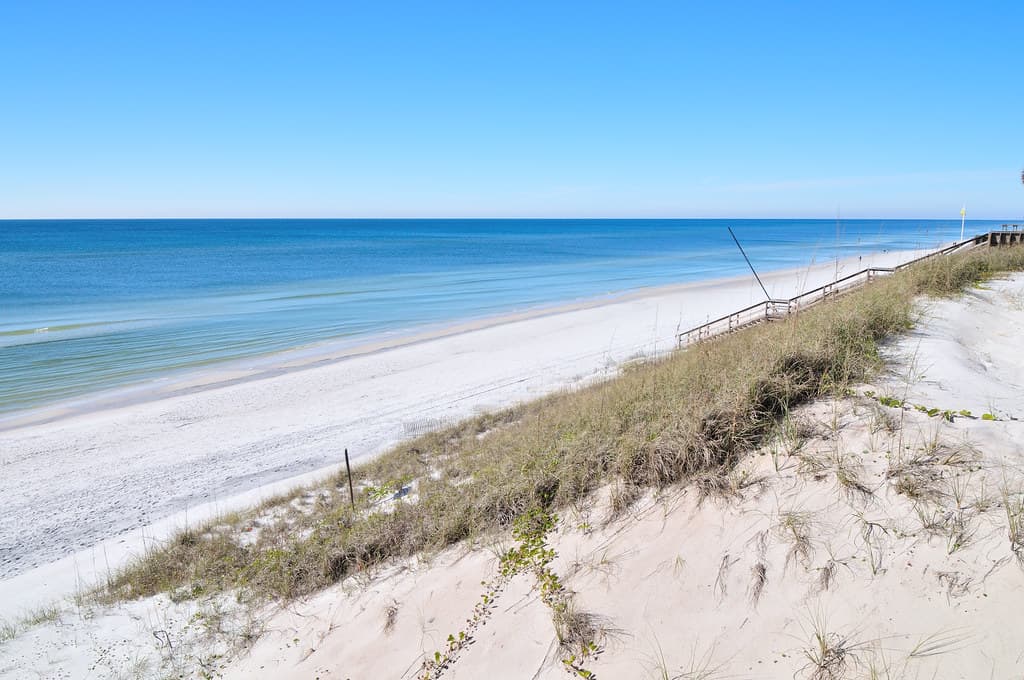
The walk from the small parking area takes seven minutes—long enough for the hum of Highway 30A to fade into the whisper of wind through longleaf pines. The boardwalk climbs over dunes that rise thirty feet, their flanks stitched with railroad vine and ghost crabs that dart sideways at your approach. At the crest, the view stops you: a shallow, amber-tinted lake on one side, the Gulf's blue-green expanse on the other, separated by a narrow sandbar that shifts with each storm. Deer Lake itself stretches inland, its edges fringed with tupelo and cypress knees. The water tastes faintly of tea, colored by tannins leached from decaying vegetation—one of only fifteen coastal dune lakes in the world, and fewer than five you can swim in without a boat. Wade into the lake's bathwater warmth, then cross fifty yards of powdery sand to plunge into the cooler Gulf. The contrast—fresh to salt, bronze to azure—makes you feel like you've discovered a geographic glitch. By late afternoon, the crowd thins to a handful of locals spreading blankets near the dune line. The sun drops behind slash pines, painting the lake's surface gold, then copper. Herons stalk the shallows. You'll leave with sand in your shoes and the strange, satisfying knowledge that you've been somewhere few guidebooks mention.
Places, rentals, tours and events within walking and driving distance of Deer Lake State Park Beach.
Photos
Deer Lake State Park Beach is generally safe for swimming, with calm Gulf waters typical of the Florida Panhandle. However, always check for flag warnings posted daily—red flags indicate dangerous conditions. The beach has no lifeguards on duty, so swim at your own risk and never swim alone. The rare dune lake creates unique currents where it connects to the Gulf, so exercise caution in that area. Jellyfish and stingrays can be present seasonally, so shuffle your feet when entering the water.
Spring (March-May) and fall (September-November) offer ideal conditions with temperatures in the 70s-80s°F, fewer crowds, and lower accommodation prices. Summer (June-August) brings warm Gulf waters perfect for swimming but also peak crowds and heat. Winter remains pleasant with temperatures around 60-70°F, though water is cooler. The beach faces southwest, making it excellent for sunset viewing year-round. Hurricane season runs June through November, with September and October having the highest risk of tropical weather.
Deer Lake State Park Beach is located on County Road 30A in Santa Rosa Beach, between Destin and Panama City Beach. The park entrance is clearly marked on the south side of 30A. Free parking is available in a small lot that accommodates approximately 20-30 vehicles; arrive early during peak season as it fills quickly. From the parking area, it's about a quarter-mile boardwalk and trail walk through coastal dune ecosystem to reach the beach. No public transportation serves the park.
While the park itself has no food vendors or lodging, the nearby 30A corridor offers abundant options. Restaurants line Highway 30A within a short drive, ranging from casual beachside cafes to upscale dining in neighboring communities like Seaside, Watercolor, and Grayton Beach. Accommodations include luxury resorts, vacation rentals, and boutique hotels, mostly within 5-10 minutes. The nearest grocery stores and convenience shops are in Santa Rosa Beach. Note that the park has basic restrooms but no other amenities like showers or concessions.
Deer Lake is one of only 15 rare coastal dune lakes in Florida, a geological feature found in few places worldwide. These freshwater-to-brackish lakes form behind sand dunes and occasionally breach to the Gulf, creating unique ecosystems supporting diverse wildlife. You can explore the 27-acre lake via the park's nature trails, offering opportunities to spot wading birds, turtles, and fish. The protected setting means pristine natural scenery without commercial development. The lake-to-Gulf landscape provides distinctive photo opportunities and a more secluded beach experience than developed resort areas.