Counting the waves…
Counting the waves…

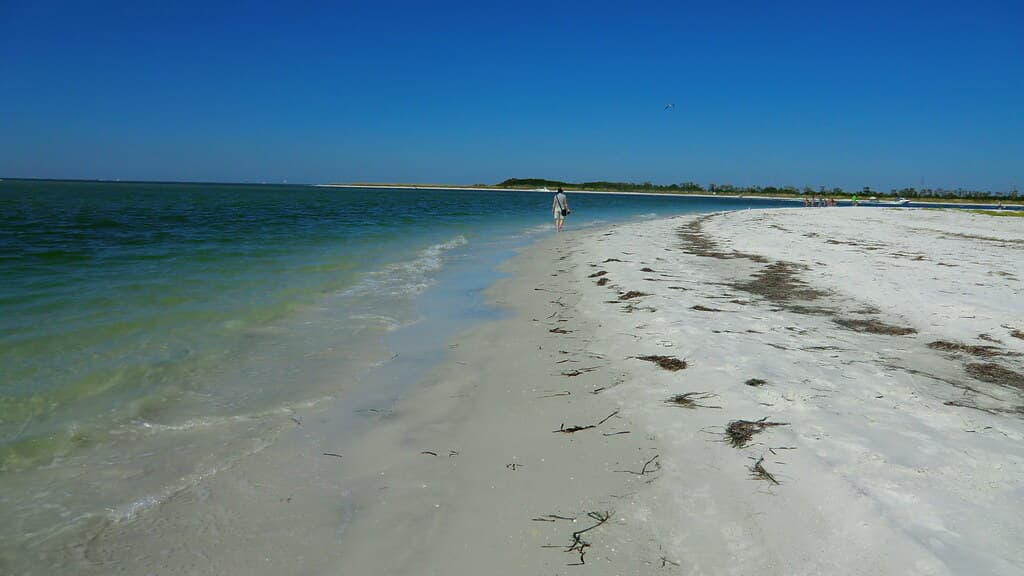
Pass-a-Grille retains the unhurried rhythm of a Florida that predates theme parks and high-rises. You park beneath Australian pines on narrow lanes where bougainvillea spills over picket fences, then walk barefoot past the Hurricane, a seafood shack that's served grouper sandwiches since 1977. The beach itself unfurls in a wide, gentle crescent—no condos shadow the sand here, just low-slung buildings that respect the skyline. The Gulf laps at your ankles in ankle-deep water that stretches fifty yards out, warm as tea even in November. Sanderlings skitter along the tideline, and you'll spot the occasional whelk shell half-buried in ridges left by receding waves. Locals spread blankets near 10th Avenue, where the public pavilion offers shade and outdoor showers that taste faintly of sulfur. As afternoon softens into evening, you join the procession of couples and retirees who stake out spots on the western-facing shore. The sun descends in stages—first orange, then persimmon, finally a smear of magenta that stains the underside of cumulus clouds. When the last sliver disappears, a handful of watchers applaud, a tradition as reliable as the tides. You rinse your feet at the wooden boardwalk, salt-sticky and sun-tired, already planning tomorrow's return.
Places, rentals, tours and events within walking and driving distance of Pass-a-Grille Beach.
Photos
Pass-a-Grille Beach is generally safe for swimming, with calm, shallow waters ideal for families. The Gulf of Mexico typically has gentle waves and gradual drop-offs. Lifeguards are on duty during peak season at designated areas. Always check for posted beach flags indicating water conditions—green means safe, yellow caution, red dangerous. Jellyfish and stingrays can be present seasonally; do the stingray shuffle when entering water. No major rip currents are common here, but always supervise children and swim near lifeguard stations when available.
Pass-a-Grille Beach enjoys year-round appeal, but peak season runs November through April with comfortable temperatures (70-80°F), lower humidity, and minimal rain. Summer (June-August) brings heat, humidity, and afternoon thunderstorms, but warmer Gulf waters. Shoulder seasons (May, October) offer fewer crowds and pleasant weather. Winter months provide excellent sunset views without oppressive heat. Hurricane season spans June through November. For the best beach experience with manageable crowds, visit during spring (March-May) or fall (October-November) when weather is ideal and accommodation prices drop.
Parking at Pass-a-Grille Beach is primarily metered street parking along Gulf Way and side streets, costing around $2-3 per hour via pay stations or mobile apps. The small public parking lot at 10th Avenue and Pass-a-Grille Way fills quickly. Arrive early, especially on weekends and during peak season. Free parking is extremely limited. Some visitors park in St. Pete Beach and walk south, though it's a considerable distance. Nearby hotels offer parking for guests. Consider biking or using rideshare services, as parking can be challenging during busy periods.
Pass-a-Grille's charming 8th Avenue corridor features several local restaurants within walking distance of the beach. The Hurricane serves waterfront seafood dining, while Seahorse Restaurant offers casual beachside fare. Public restrooms and outdoor showers are available near the beach access points. Small beach shops rent chairs and umbrellas. The historic Pass-a-Grille area has boutiques and ice cream shops. For lodging, options include the boutique Inn on the Beach and various vacation rentals. Unlike larger resort areas, Pass-a-Grille maintains a low-key, Old Florida atmosphere with locally-owned establishments.
Pass-a-Grille is one of Florida's oldest beach communities, dating to the late 1800s. The name possibly derives from French fishermen grilling their catch on the pass. It was once accessible only by boat until a bridge connected it in 1929. The southern end of St. Pete Beach retains its historic character with vintage cottages, narrow streets, and protected historic district status. Unlike heavily developed neighboring areas, Pass-a-Grille has preserved its Old Florida charm, limiting high-rise construction and maintaining a village-like atmosphere that reflects its fishing village heritage.