Counting the waves…
Counting the waves…

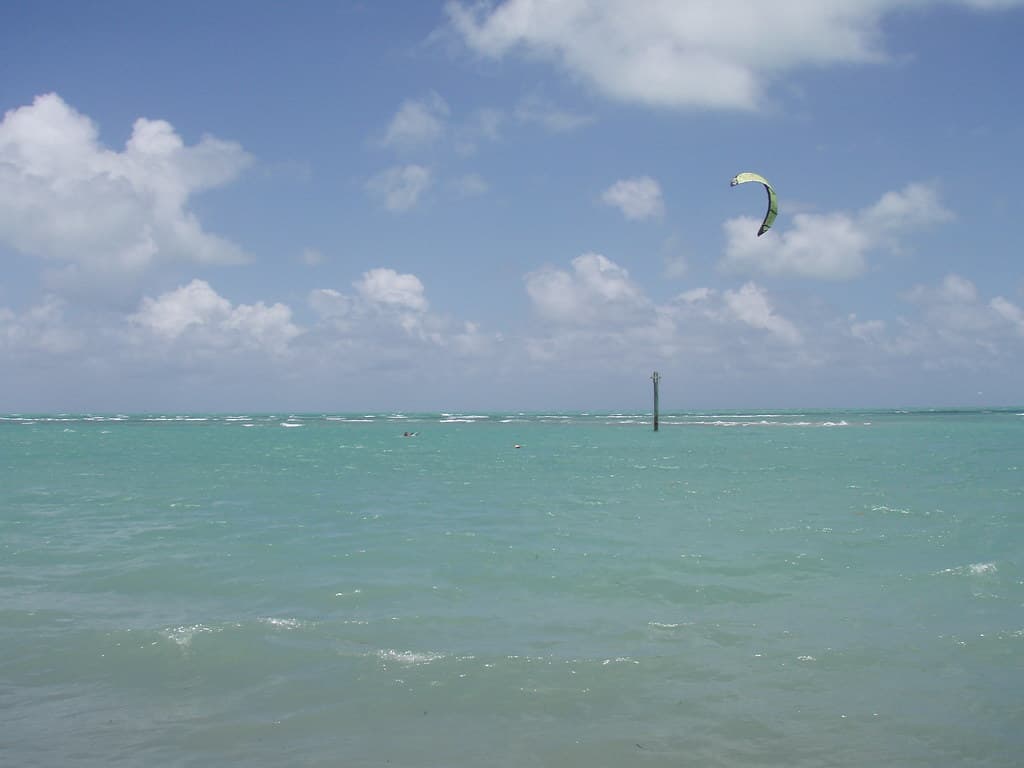
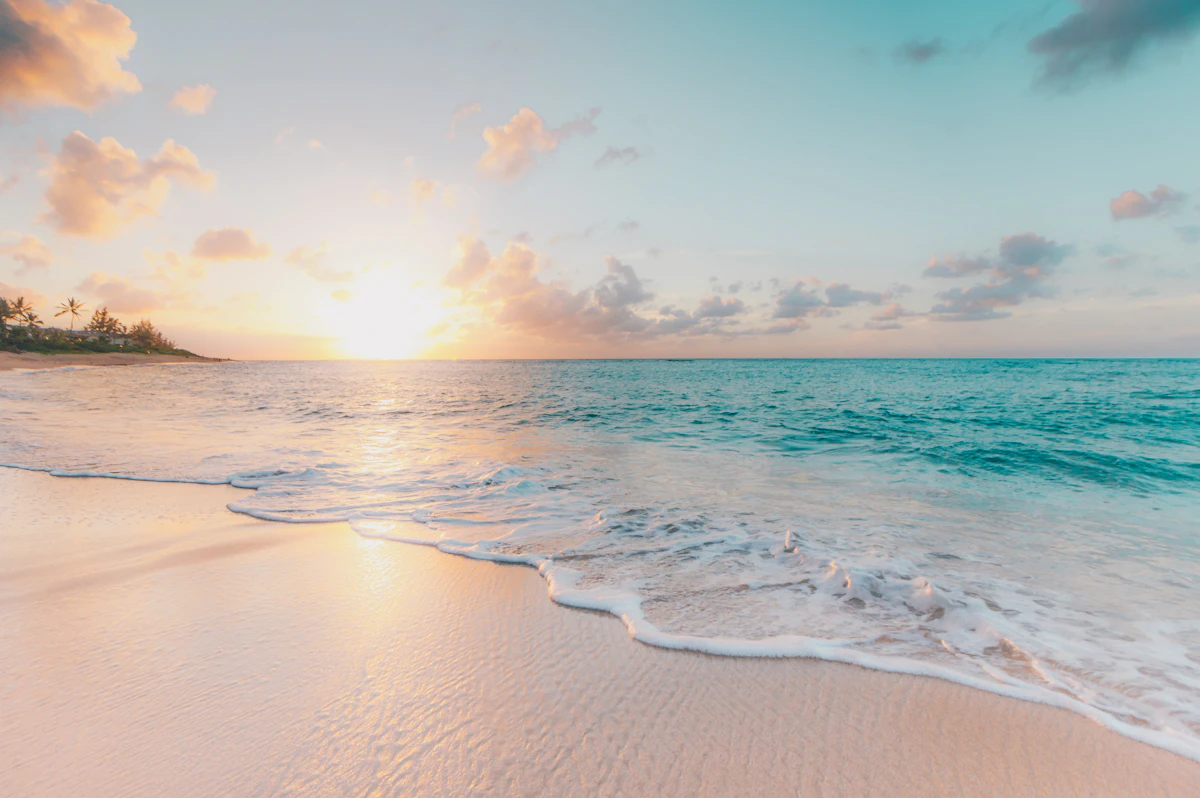
The warm Atlantic laps at your feet as you stand on sand that once served as Miami's only beach for African Americans during the Jim Crow era. From 1945 to 1982, Virginia Key Beach was the place where Black families spread blankets, children splashed in the shallows, and communities gathered under the sun they'd been denied elsewhere. The old carousel building still stands—weathered, repurposed, a monument to resilience. Today you'll find families grilling under the pines, cyclists pedaling the park's trails, and paddlers launching kayaks into the mangrove channels. The water runs shallow and gentle here, protected by the island's position between the mainland and Key Biscayne. Ospreys nest in the Australian pines; herons stalk the tideline. The beach itself curves along a mile of coast, the sand a tawny beige rather than postcard white, real and lived-in. Cross the causeway and you're back in the rush of Miami within ten minutes, but here the pace slows. You'll see grandparents teaching children to cast fishing lines from the shore, couples walking the trails that wind through coastal hammock, and surfers checking the break on bigger swell days. This beach carries weight—not the kind that burdens, but the kind that grounds you in what matters.
Places, rentals, tours and events within walking and driving distance of Historic Virginia Key Beach.
Photos
Virginia Key Beach generally offers calm, protected waters suitable for swimming, though conditions vary by weather and season. The beach faces Biscayne Bay rather than the open ocean, which typically means gentler waves. Lifeguards are on duty during peak hours and weekends, but coverage isn't always guaranteed, so check current conditions upon arrival. Watch for posted advisories regarding water quality, especially after heavy rains. The beach has a gradual slope, making it family-friendly, but always supervise children and be aware of occasional strong currents near the jetties.
Virginia Key Beach is accessible year-round, with Miami's subtropical climate offering warm weather in every season. Winter months (December-March) provide the most comfortable temperatures with lower humidity and fewer afternoon thunderstorms, though water may feel cooler. Summer (June-September) brings heat, humidity, and daily rain showers, but warmer ocean temperatures. Weekdays are typically less crowded than weekends. The beach offers beautiful sunset views, so late afternoon visits are particularly rewarding. Hurricane season runs June through November, so monitor weather forecasts during these months.
Virginia Key Beach is located on Virginia Key, accessible via the Rickenbacker Causeway from downtown Miami. From the causeway, follow signs to Virginia Key Beach Park. There's a $10 per vehicle entrance fee that includes parking in the beach's lot. The beach is not accessible by Miami's public transit, so a car, taxi, or rideshare is necessary. Parking is generally ample except during major events or summer weekends when it can fill up. The drive from downtown Miami takes approximately 15-20 minutes depending on traffic.
Virginia Key Beach Park offers basic amenities including restrooms, outdoor showers, picnic pavilions, and barbecue grills. The Vintage Carousel and small museum are on-site attractions. Food options are limited—there's typically a concession stand or food vendor operating on weekends and during peak season, but availability isn't guaranteed. It's advisable to bring your own food and drinks, especially for weekday visits. No hotels are located directly at the beach, but numerous accommodations are available in nearby Key Biscayne and downtown Miami, both within a 20-minute drive.
Virginia Key Beach holds profound historical importance as Miami's only beach open to African Americans during the Jim Crow segregation era, operating from 1945 to 1982. Designated the 'Colored Only' beach, it became a cherished gathering place for Black families and a symbol of both segregation and community resilience. The site was nearly lost to development but was saved through community activism and designated a historic site. Today, the Virginia Key Beach Park Trust manages the property, preserving its history through the Virginia Key Beach Park Museum and educational programs celebrating Miami's African American heritage.