
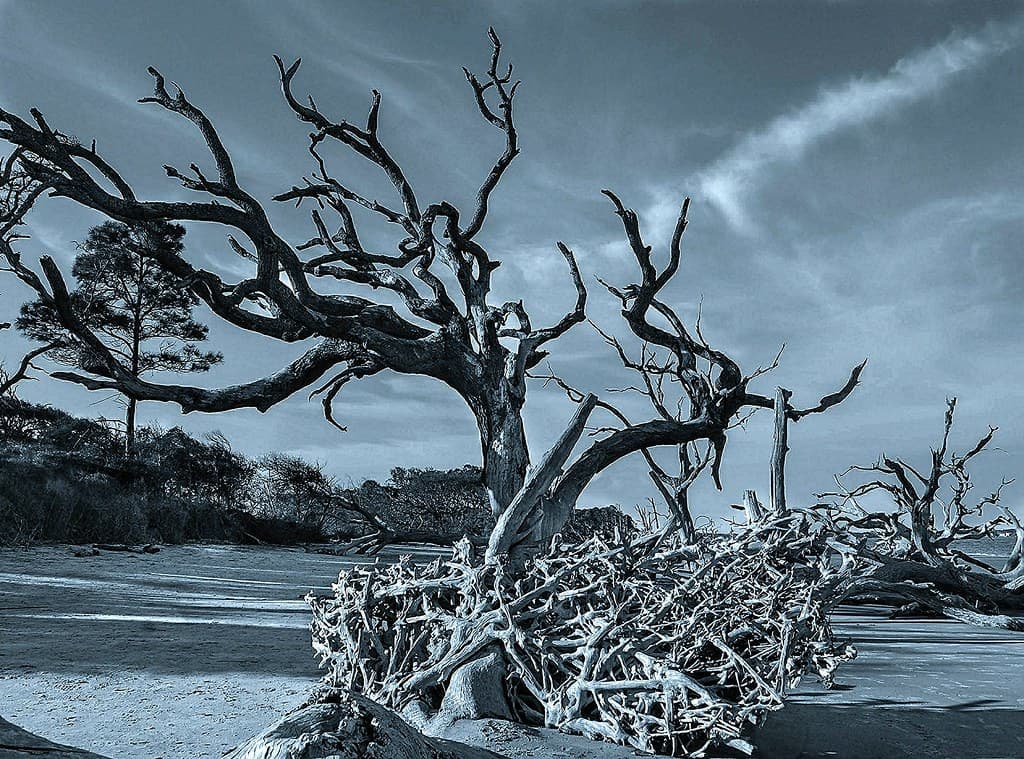
North Beach unfurls along Jekyll Island's northern tip, where the ocean meets St. Simons Sound in a geography that locals call "the spit." You'll park near the fishing pier and walk onto sand that changes character with the tides—wide and hard-packed at low water, narrower and softer when the Atlantic pushes in. Driftwood in silvered, skeletal forms dots the beach like natural sculpture, and behind you, the maritime forest leans close, its live oaks festooned with Spanish moss that sways in the steady breeze.
“The island's conservation laws and remoteness from the main village mean you'll encounter fewer than a dozen people even on summer weekends.”
 Credit: Flickr
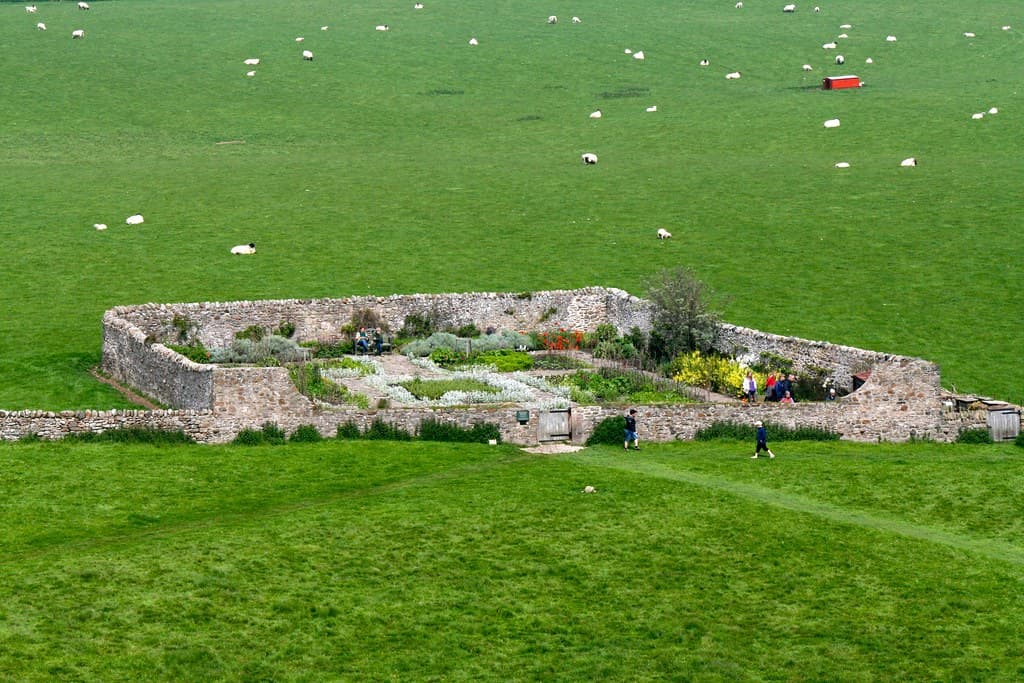
View of The Walled Garden by Gertrude Jekyll from the top of Lindisfarne Castle - Lindisfarne (Holy Island)
The water here runs warmer than you'd expect this far north, thanks to the Gulf Stream's influence, and the waves roll in gentle and forgiving. You'll notice the dolphin pods working the tidal currents, especially in early morning when they herd fish near the shore. Shorebirds—willets, sanderlings, black skimmers—work the waterline in tireless choreography, and if you time your visit near dawn or dusk, the light turns the whole scene amber and rose.
What sets this beach apart is its sense of removal. Jekyll Island itself limits development and visitor numbers, and North Beach occupies the furthest reach from the island's small commercial district. You'll have room to breathe here, space to walk a mile without retracing your steps, and the rare pleasure of a Georgia coast beach that still feels like it belongs to the gulls and the tides more than to anyone else.


