Counting the waves…
Counting the waves…
A refined fusion of water purity, environmental stability, and communal vibrancy for St. Andrews Beach.
View MethodologyAnalyzed via live sensors and environmental data.
Wave height, wind, and atmospheric stability.
Live footfall and crowd balance metrics.
Community reviews and curated sentiment.
“You'll smell the salt marsh before you see the waves—a brackish perfume that follows you across the causeway to Jekyll Island's northern shore. St. Andrews Beach stretches wide and empty, its packed sand littered with…”
Limited recent visitor reports — live OBI telemetry is your best guide for current conditions.
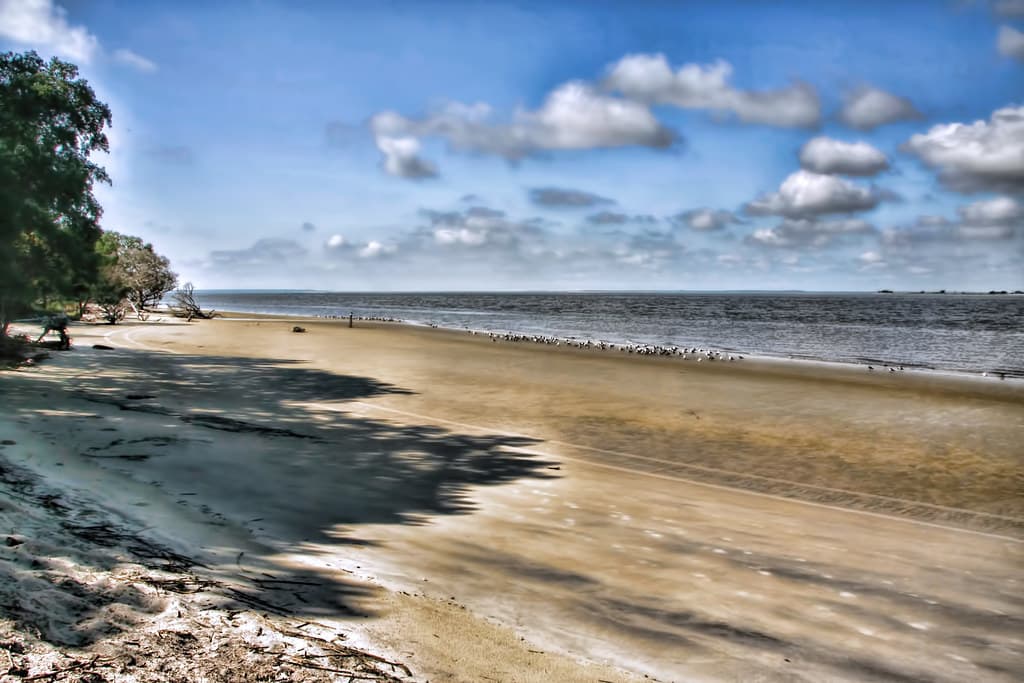
The approach to St. Andrews feels like driving into a nature documentary. Maritime forest gives way to low dunes stitched together with sea oats, and suddenly you're parking on hard-packed sand mere steps from the tideline. This is Jekyll Island's wildest stretch, a three-mile ribbon where the Clam Creek tidal estuary meets open Atlantic, creating brackish shallows that draw rays, crabs, and hunting dolphins so close you can hear them exhale.
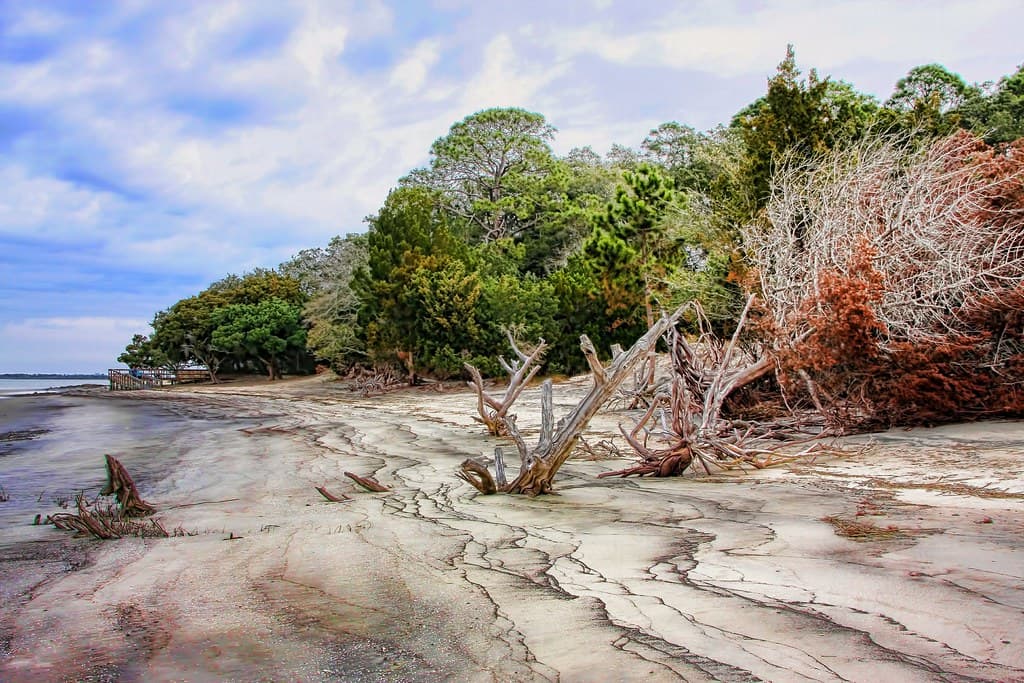
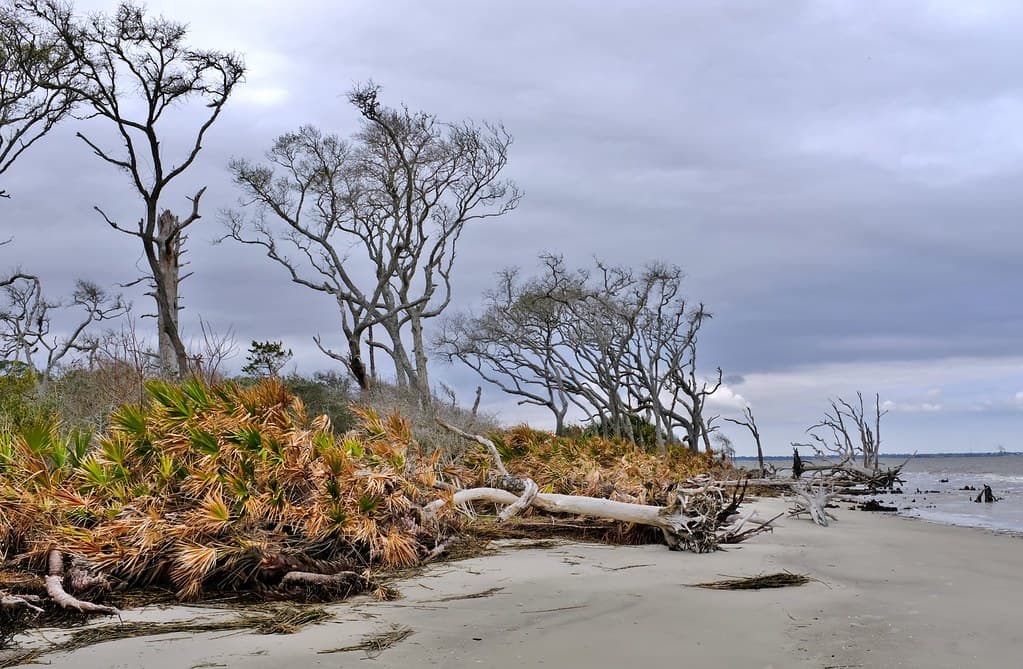
Between May and August, loggerhead turtles haul themselves ashore after dark to nest above the high-tide line, their tracks swept clean by morning. You'll spot the taped-off nests marked by conservation volunteers, gentle reminders that this beach still belongs to its original tenants. The driftwood—gnarled live oak and pine sculpted silver by salt and time—piles highest near the northern point, creating natural benches that face the Sidney Lanier Bridge in the distance.
Morning light, telephoto lens ready
Sculpture gardens shaped by storms
Watch for rays and crabs
Where it is
St. Andrews Beach
Jekyll Island, Georgia, USA
31.043300°, -81.428600°
Weather
Loading…
Swell
—
Temp
Warm · Restorative
UV Index
Moderate
Wind
—
Tidal State
Last known
Max Sunlight
—
Ideal Shade
—
May - Sep (Peak)
Jan - Dec (Off-season)
Historical data suggests peak visibility and stable sea temperatures occur during the prime visitation window.
Select a category to load nearby places.
Unlock restaurants, luxury stays and curated maritime experiences within 2km
St. Andrews Beach is generally safe for swimming, though conditions vary with tides and weather. The beach has gentle waves typical of Georgia's barrier islands, making it suitable for families. However, there are no lifeguards on duty, so swim at your own risk. Check local surf reports and tide schedules before entering the water. Be aware of occasional strong currents during outgoing tides. The beach's northern location on Jekyll Island means it's often less crowded than other island beaches, providing a quieter swimming experience.
St. Andrews Beach is accessible year-round, with each season offering different experiences. Spring and fall (March-May, September-November) provide comfortable temperatures in the 70s-80s°F and excellent wildlife viewing, especially during bird migrations. Summer brings warm water and temperatures in the 90s°F but higher humidity and crowds. Winter is mild (50s-60s°F) and ideal for beachcombing and dolphin watching with fewer visitors. Early morning visits any season offer the best chances to spot wildlife like shorebirds, dolphins, and sea turtles during nesting season (May-October).
St. Andrews Beach is located on the northern end of Jekyll Island. From the Jekyll Island Causeway entrance, follow North Beachview Drive north past the historic district. The beach is accessible via St. Andrews Picnic Area parking lot, which is free for visitors. Jekyll Island charges a parking fee at the island entrance (pay once, good all day). The beach is also accessible by bike via Jekyll's extensive trail system. No street parking is available directly at the beach, so use the designated parking area.
St. Andrews Beach has basic amenities including restrooms, outdoor showers, and picnic pavilions at the adjacent picnic area. However, food options aren't immediately available at the beach itself. The Jekyll Island Historic District, about 2 miles south, offers several restaurants, cafes, and the Jekyll Market for snacks. For lodging, the island features various hotels, vacation rentals, and campgrounds within a short drive. The Jekyll Island Club Resort and Oceanfront Cottages are popular options. Bring your own food and drinks for beach days, as no vendors operate directly at St. Andrews.
St. Andrews Beach is renowned for wildlife viewing opportunities. Dolphins frequently swim close to shore, especially during early morning and late afternoon. The beach is a prime shorebird habitat where you'll spot pelicans, herons, egrets, and sandpipers. During May through October, it's a sea turtle nesting area—never disturb nests marked by Jekyll Island Authority. Horseshoe crabs are common, particularly during spring high tides. The nearby driftwood beach creates unique habitat for various coastal species. Bring binoculars for the best viewing experience and maintain respectful distances from all wildlife.