Counting the waves…
Counting the waves…

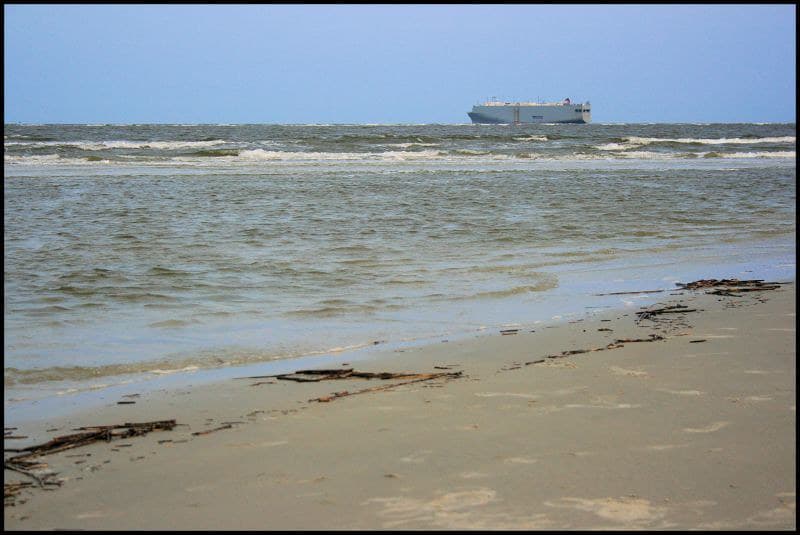
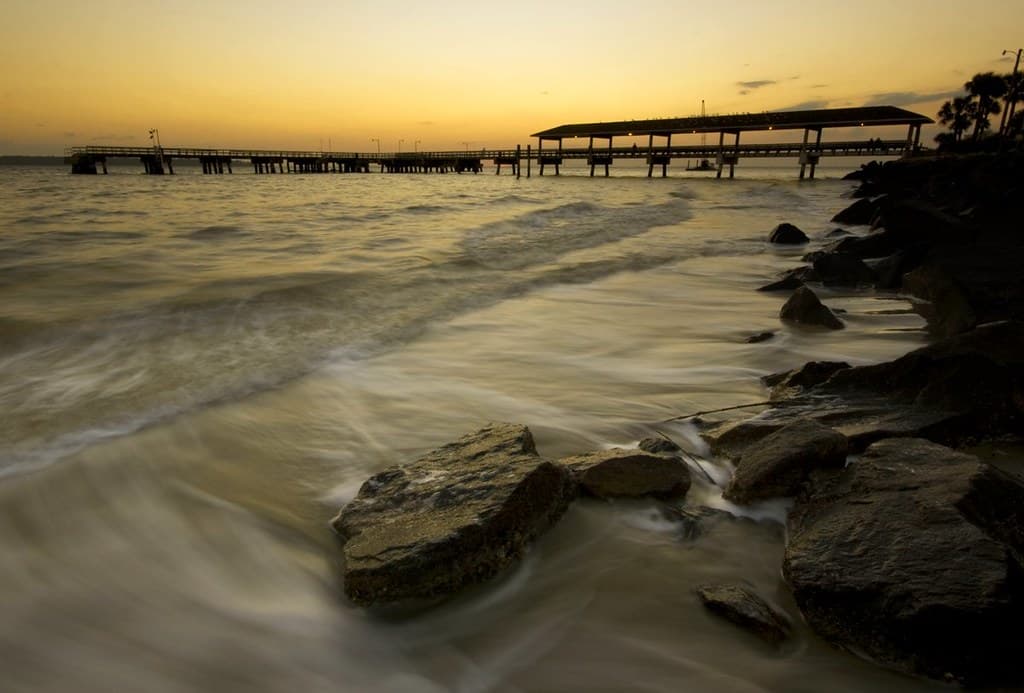
Pull into the gravel lot beneath a canopy of twisted oaks and you've arrived at one of the Golden Isles' least pretentious shorelines. The beach stretches wide and forgiving, framed by the active Coast Guard station to the north—a reminder that this is working waterfront, not manicured resort. Sanderlings scatter at your approach, and the tide draws long, gentle arcs across the packed sand. Families settle in for the day with coolers and umbrellas, drawn by the shallow slope and manageable waves. The sand underfoot shifts from coarse shell fragments near the dunes to compact, caramel-toned shore perfect for building moats and chasing ghost crabs. During low tide, tidal pools appear like secret aquariums, holding hermit crabs and tiny fish. You won't find beach bars or volleyball nets here. What you will find: unobstructed views of Jekyll Island across the sound, bottlenose dolphins threading through the shipping channel, and enough elbow room that even summer weekends feel unhurried. The historic St. Simons Lighthouse rises to the south, its brick tower a fixed point as shrimp boats chug past and seabirds wheel overhead. This is Georgia coast stripped to essentials—salt air, dependable waves, and sand that doesn't ask anything of you.
Places, rentals, tours and events within walking and driving distance of Coast Guard Station Beach.
Photos
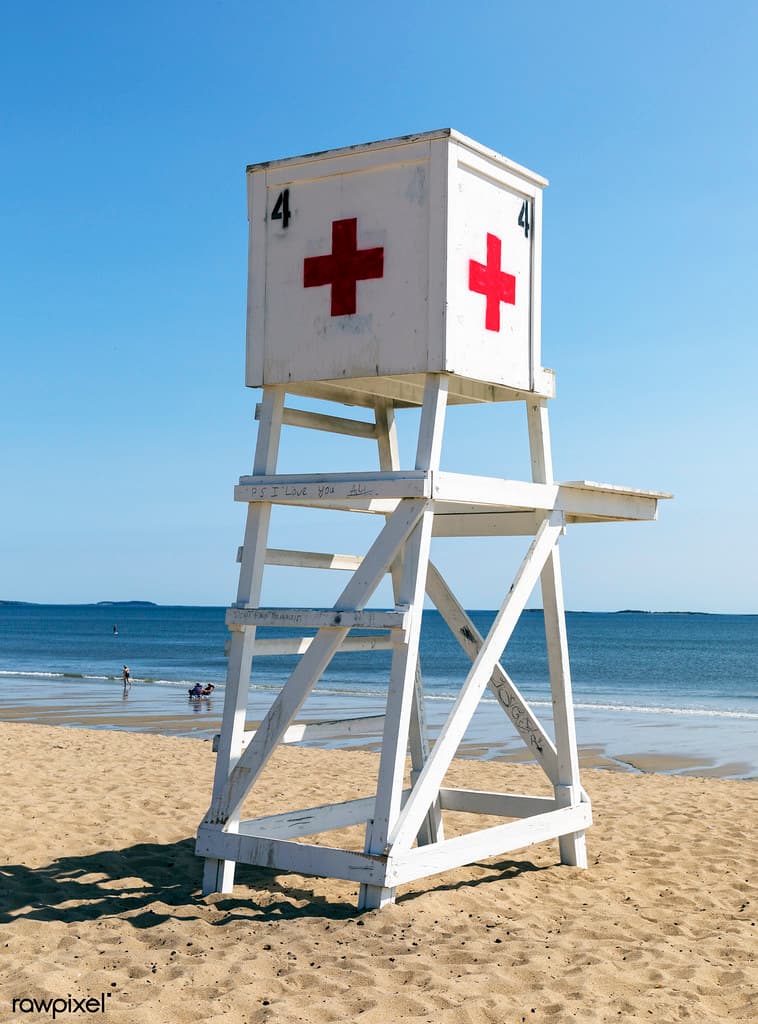
Coast Guard Station Beach is generally considered family-friendly with calmer waters compared to the island's ocean-facing beaches, as it sits along the protected Intracoastal Waterway rather than the Atlantic Ocean. This means gentler waves and currents, making it safer for children. However, there are no lifeguards on duty, so supervision is essential. The beach has a gradual slope and typically clear waters. Always check local conditions before swimming, watch for boat traffic in the waterway, and be mindful of changing tides.
Coast Guard Station Beach is accessible year-round, with each season offering different advantages. Summer (June-August) provides warm water and long days but can be hot and crowded. Spring (April-May) and fall (September-October) offer pleasant temperatures, fewer crowds, and comfortable beach weather with highs in the 70s-80s°F. Winter remains mild with temperatures often reaching the 60s, perfect for beach walks and shelling. Early morning visits provide stunning sunrises over the marsh, while late afternoon offers beautiful golden light for photography.
Coast Guard Station Beach has a small, free public parking lot located at the end of First Street on St. Simons Island's East Beach. From Frederica Road, turn onto Ocean Boulevard, then take First Street to reach the parking area. Spaces are limited—typically around 20-30 spots—so arrive early during peak season and weekends. Overflow parking along nearby residential streets may be available but respect posted signs. The beach access is a short walk from the lot. Alternative nearby parking exists at East Beach and Massengale Park.
Coast Guard Station Beach itself has minimal facilities—no restrooms, showers, or concessions on-site, so come prepared. However, St. Simons Island's village area is just a few minutes' drive away, offering numerous restaurants, cafes, and shops along Mallery Street and Ocean Boulevard. Popular options include casual seafood spots, ice cream parlors, and waterfront dining. For accommodations, the island features several hotels, vacation rentals, and bed-and-breakfasts within easy reach. Public restrooms are available at nearby Massengale Park, about a mile south.
The beach takes its name from the historic U.S. Coast Guard Station that operated at this location for decades. The station played an important role in maritime safety and rescue operations along Georgia's coast. While the active Coast Guard facility is no longer at this exact site, the name remains as a tribute to its nautical heritage. The area's history connects to St. Simons Island's broader maritime legacy. Today, visitors enjoy the scenic beach with views of the Intracoastal Waterway, passing boats, and marshlands that made this location strategically important.