Counting the waves…
Counting the waves…
A refined fusion of water purity, environmental stability, and communal vibrancy for Wai?anapanapa Black Sand Beach.
View MethodologyAnalyzed via live sensors and environmental data.
Wave height, wind, and atmospheric stability.
Live footfall and crowd balance metrics.
Community reviews and curated sentiment.
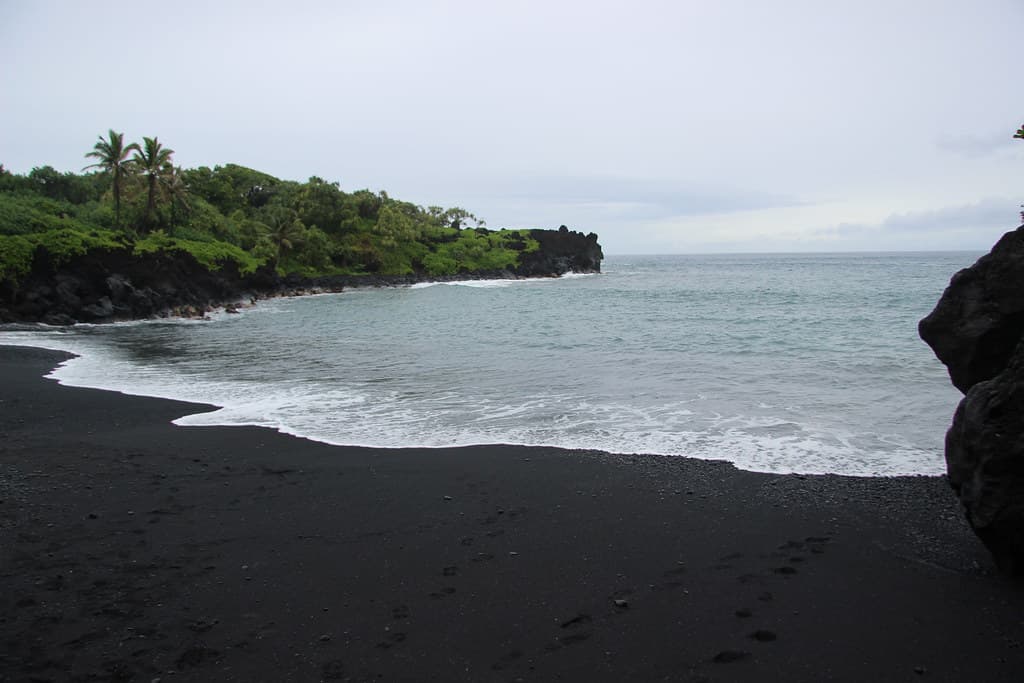
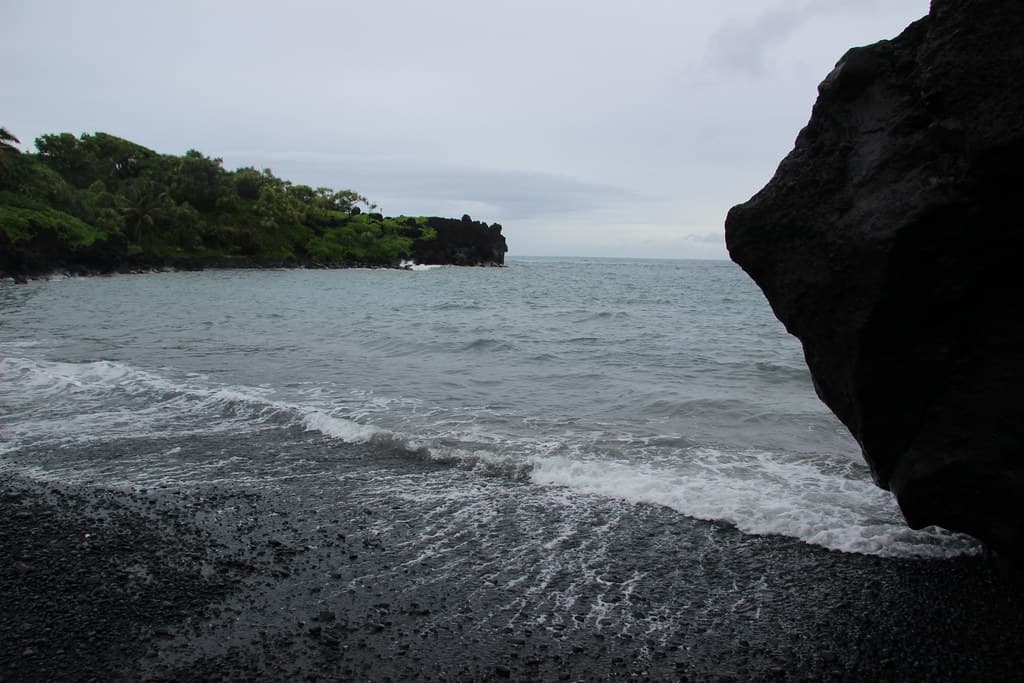
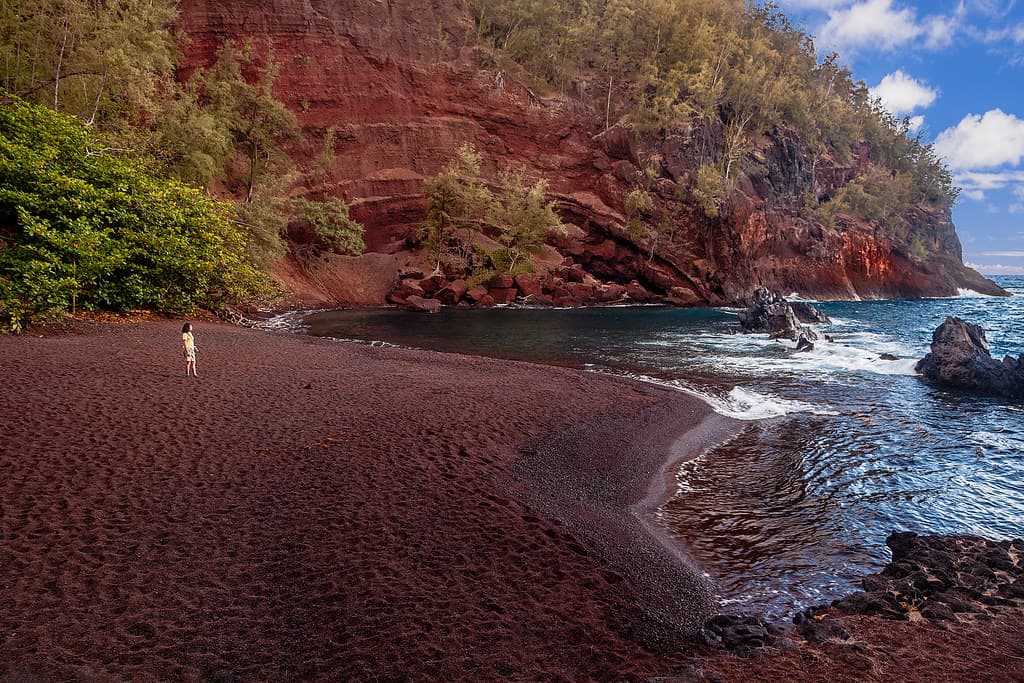
“You'll feel the crunch of basalt beneath your feet as Pacific breakers explode against jet-black shores framed by emerald hala forest. The beach sits within Waiʻanapanapa State Park, where freshwater caves and lava…”
Limited recent visitor reports — live OBI telemetry is your best guide for current conditions.
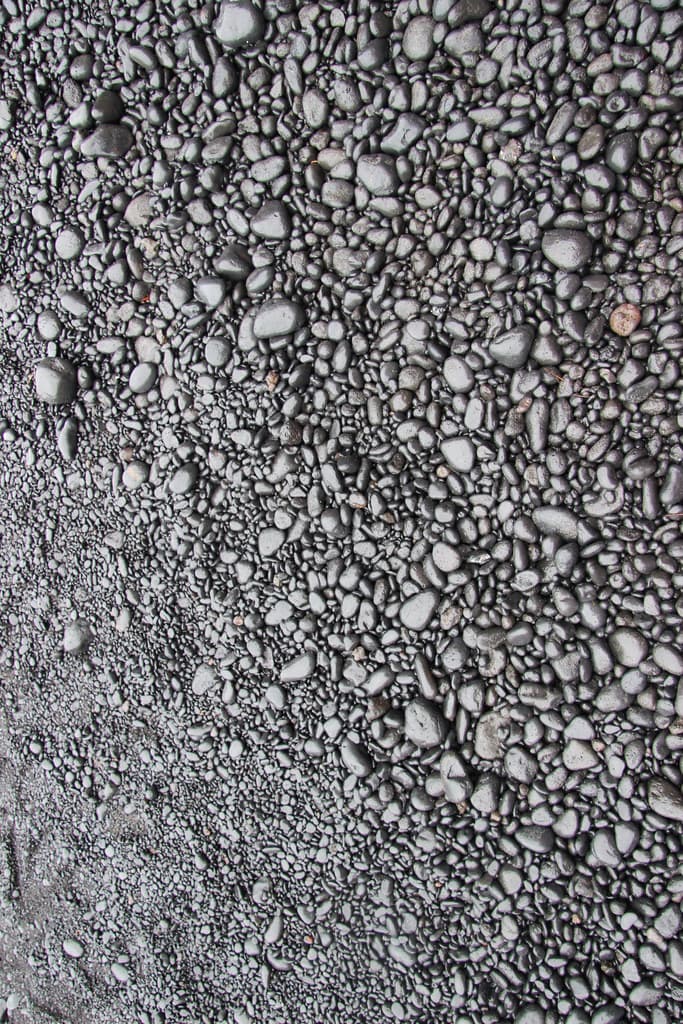
The sand here isn't soft—it's granular volcanic glass that clings to your ankles and heats quickly under the Maui sun. You're walking on pulverized lava, the residue of eruptions that built this coastline grain by grain. Hala trees lean toward the water, their prop roots gripping the rocky shore while waves crash with a bass-note rumble that travels through your chest. The contrast is stark: ink-black beach, white foam, impossibly blue water.
Just inland, you'll find anchialine pools fed by underground springs, their brackish water cool and startlingly clear. Lava tubes tunnel through the headland, and local legend claims these caves once sheltered a Hawaiian princess. The blowhole spouts intermittently, sending saltwater geysers skyward when swells align with the lava channel below.
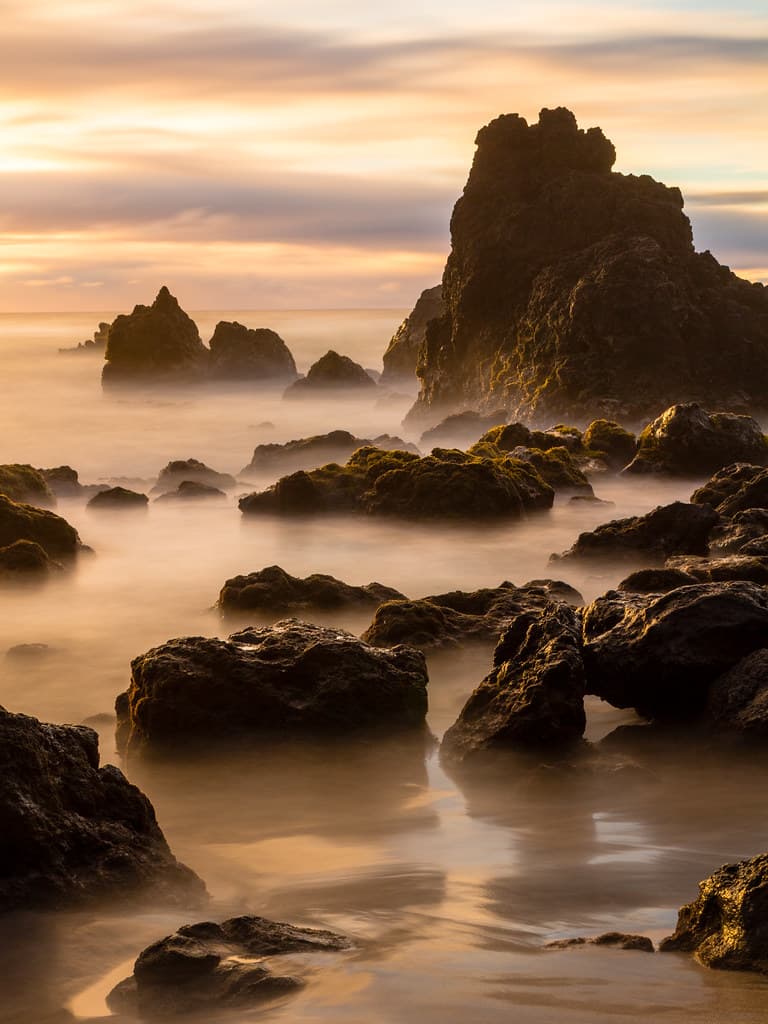
Credit: FlickrLava Arch Portraits
Credit: FlickrCoastal Trail
Natural frame at north headland
King's Highway ancient lava path
Freshwater caves near parking lot
Where it is
Wai?anapanapa Black Sand Beach
Hana, Hawaii, USA
20.786900°, -156.003900°
Weather
Loading…
Swell
—
Temp
Warm · Restorative
UV Index
Moderate
Wind
—
Tidal State
Last known
Max Sunlight
—
Ideal Shade
—
Jan - Dec (Peak)
May - Nov (Off-season)
Historical data suggests peak visibility and stable sea temperatures occur during the prime visitation window.
Select a category to load nearby places.
Unlock restaurants, luxury stays and curated maritime experiences within 2km
Swimming conditions at Waiʻanapanapa are generally challenging and often unsafe due to strong currents, powerful waves, and rocky shoreline. The ocean here can be unpredictable, with sudden swells even on calm days. Most visitors choose to wade in shallow areas or admire the beach from shore rather than swim. If you do enter the water, stay close to shore, never turn your back on the waves, and avoid going in during high surf. The beach is better suited for photography and exploration than swimming.
Waiʻanapanapa is stunning year-round, but early morning visits (7-9 AM) offer the best experience with fewer crowds and softer lighting for photos. Weather-wise, summer months (May-September) typically have calmer ocean conditions, though the beach is accessible throughout the year. Weekdays are less crowded than weekends. Since the Road to Hana can be time-consuming, many visitors arrive mid-morning to early afternoon. Winter months bring larger waves and more dramatic scenery, though swimming becomes even more dangerous during this period.
Waiʻanapanapa State Park is located off the Road to Hana (Highway 360), about 3 miles north of Hana town. Advance parking reservations are required and must be booked online through the Hawaii State Parks website, as walk-ins are not permitted. Reservations typically cost around $5-10 per vehicle. The parking lot is small and fills quickly, especially during peak hours. From the parking area, it's a short walk (5-10 minutes) down a paved path to reach the black sand beach.
Waiʻanapanapa State Park has basic amenities including restrooms, outdoor showers, and picnic tables, but no food vendors or restaurants on-site. Bring your own snacks, lunch, and plenty of water, as the nearest dining options are in Hana town, about 3 miles away. The park offers camping cabins that can be reserved in advance, and Hana town has limited accommodations including small hotels and vacation rentals. Pack out all trash, as facilities are minimal and the area is environmentally protected.
Waiʻanapanapa's distinctive black sand was created by volcanic activity. When hot lava from ancient eruptions flowed into the ocean, the rapid cooling caused the lava to shatter and fragment into small particles. Over time, wave action further broke down these volcanic rocks into the fine black sand visible today. The beach also features dramatic lava rock formations, sea caves, and blowholes. The name Waiʻanapanapa means "glistening water" in Hawaiian, referring to the water in nearby caves that appears to sparkle from mineral content.
Photos