Counting the waves…
Counting the waves…
A refined fusion of water purity, environmental stability, and communal vibrancy for Keomuku Beach.
View MethodologyAnalyzed via live sensors and environmental data.
Wave height, wind, and atmospheric stability.
Live footfall and crowd balance metrics.
Community reviews and curated sentiment.
“You'll drive a rough 4WD track through thorny scrubland to reach this weathered coastline, where volcanic rock meets sand the color of ground coffee. The water here runs choppy most days, but solitude—absolute, unbroken…”
Limited recent visitor reports — live OBI telemetry is your best guide for current conditions.
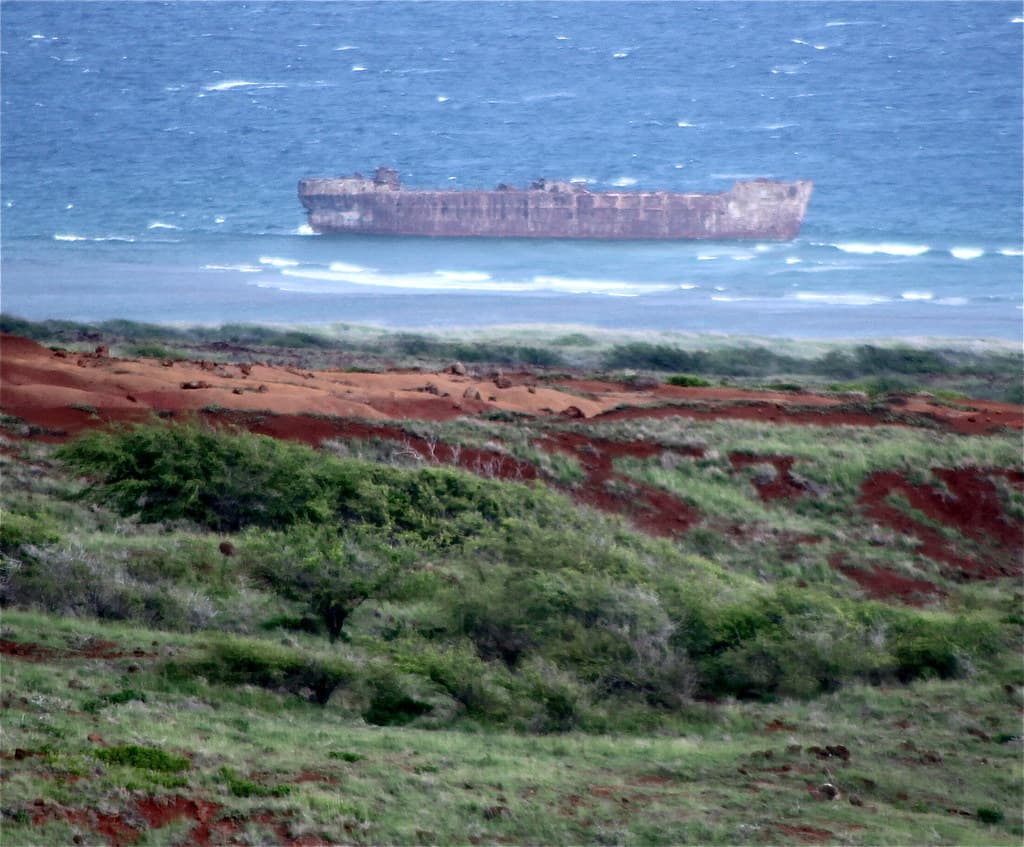
Keomuku Beach unfolds along Lānaʻi's windward coast in a ribbon of coarse sand and sun-bleached coral fragments, accessible only by four-wheel-drive vehicles willing to tackle ten miles of rutted red dirt. The road itself becomes the gateway: bouncing past kiawe thickets, you'll spot wild turkeys scattering and axis deer frozen mid-browse. At the shoreline, trade winds push whitecaps against a reef shelf, filling the air with salt spray and the rhythmic percussion of waves meeting lava rock.
Midway down the beach, the skeletal remains of Kaʻa Church stand as Keomuku's most haunting landmark—a 1903 structure built by Japanese contract laborers, now open to the sky with its floor buried in sand. The church serves as a reminder of Maunalei Sugar Company's brief, ill-fated tenure here; by 1901, the plantation had collapsed after allegedly disturbing sacred stones to build a railroad, poisoning the only freshwater well. You'll find other ruins scattered in the kiawe forest: rusted machinery, foundation stones, the quiet archaeology of failed enterprise.
 Credit: Unsplash
a beach with a boat in the water
 Credit: Unsplash
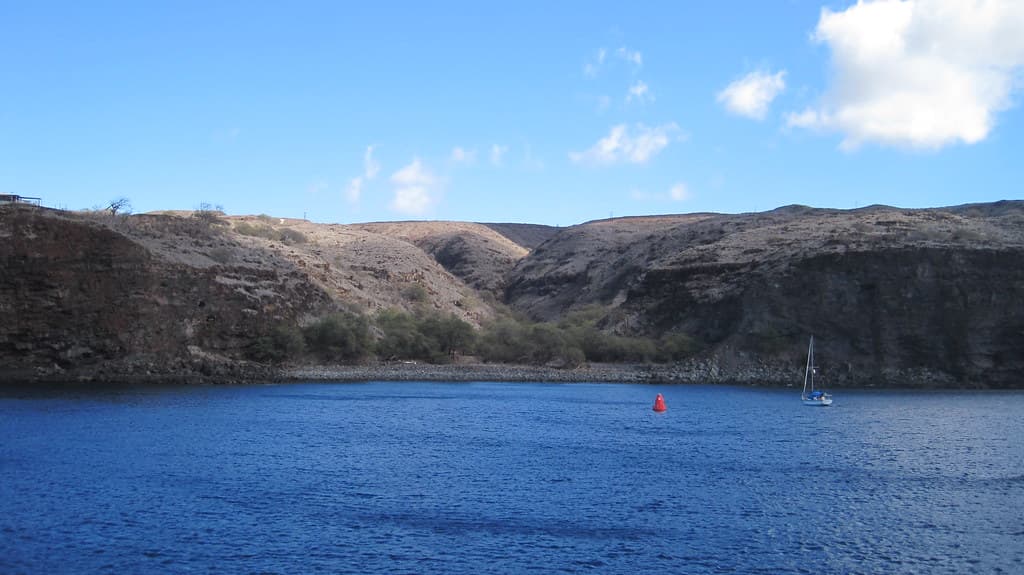
a beach with a city in the background
Walk through the roofless ruin
Find machinery in kiawe groves
Collect glass floats, driftwood
Where it is
Keomuku Beach
Lanai City, Hawaii, USA
20.814900°, -156.921200°
Weather
Loading…
Swell
—
Temp
Warm · Restorative
UV Index
Moderate
Wind
—
Tidal State
Last known
Max Sunlight
—
Ideal Shade
—
Jan - Dec (Peak)
May - Nov (Off-season)
Historical data suggests peak visibility and stable sea temperatures occur during the prime visitation window.
Select a category to load nearby places.
Unlock restaurants, luxury stays and curated maritime experiences within 2km
Swimming at Keomuku Beach is generally not recommended. The beach faces open ocean with strong currents, unpredictable waves, and occasional rough surf that can be dangerous even for experienced swimmers. The remote location means no lifeguards are present. The beach is better suited for beachcombing, photography, and exploring the abandoned village ruins nearby. If you do enter the water, stay close to shore and never swim alone. Always check current conditions and exercise extreme caution.
Keomuku Beach can be visited year-round, but conditions are typically calmest during summer months (May-September) when trade winds are lighter. Winter brings stronger winds and rougher seas. Morning visits offer the best lighting for photography and cooler temperatures for the drive. The 12-mile dirt road access can become muddy and more challenging after heavy rains, so avoid visiting during or immediately after storms. Weekdays tend to be quieter than weekends for this already remote destination.
Keomuku Beach is accessed via a rough 12-mile dirt road (Keomuku Road) from Lanai City. A 4WD vehicle is highly recommended, though some drive it carefully in regular vehicles during dry conditions. The journey takes 45-60 minutes. Follow Highway 44 northeast from Lanai City until it becomes the unmaintained coastal road. Parking is informal along the roadside near the beach and old village ruins. Rental agreements often prohibit this road, so verify with your rental company beforehand.
Keomuku Beach has absolutely no facilities—no restrooms, showers, water, or food services. This is a completely undeveloped, remote coastline. You must bring all supplies, including drinking water, food, and sun protection from Lanai City. The nearest accommodations and restaurants are in Lanai City, about 12 miles away. Pack out all trash, as there are no garbage facilities. Plan accordingly for a self-sufficient beach visit and consider bringing emergency supplies given the isolation.
Keomuku Beach features haunting ruins from an abandoned Hawaiian village that thrived in the early 1900s. The most notable structure is the Ka Lanakila O Ka Malamalama Church, built in 1903, which still stands near the shore. The village was abandoned after a nearby sugar plantation failed and locals believed the area was cursed after sacred stones were disturbed. You can explore these historical remnants, but please treat them respectfully as they hold cultural significance to native Hawaiians.
Photos