
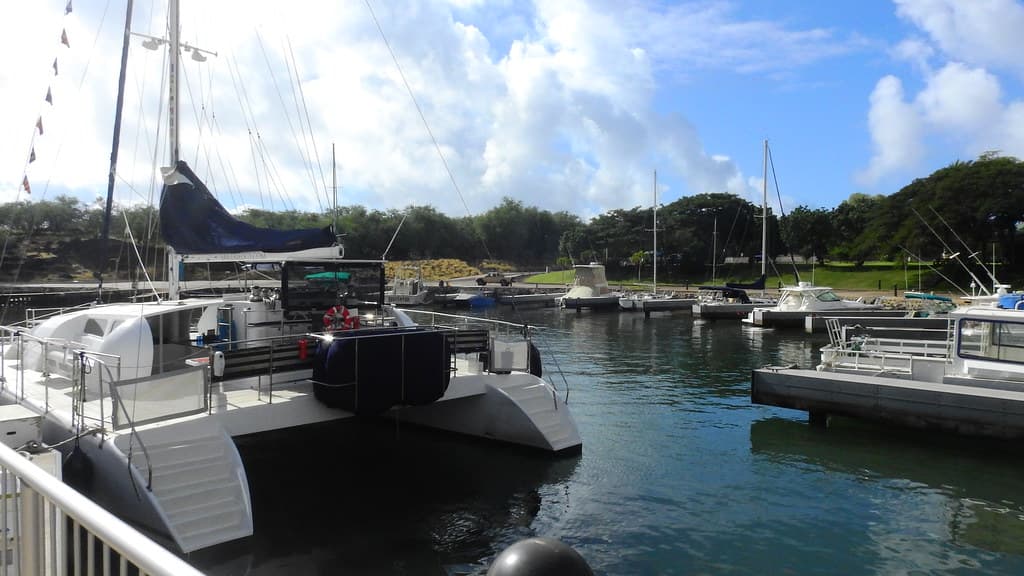
The drive down Manele Road deposits you at a compact bay flanked by black lava outcrops, their pocked surfaces softened by tide pools that gleam amber in the afternoon light. Kiawe trees lean over the eastern end, offering shade where local families spread blankets and unpack coolers. The sand beneath your feet shifts from coarse to powdery as you approach the waterline, each grain a mix of crushed coral and volcanic basalt.
“It's one of Hawaii's few easily accessible beaches entirely within a protected marine reserve, guaranteeing visibility and fish density that rival boat-only sites.”
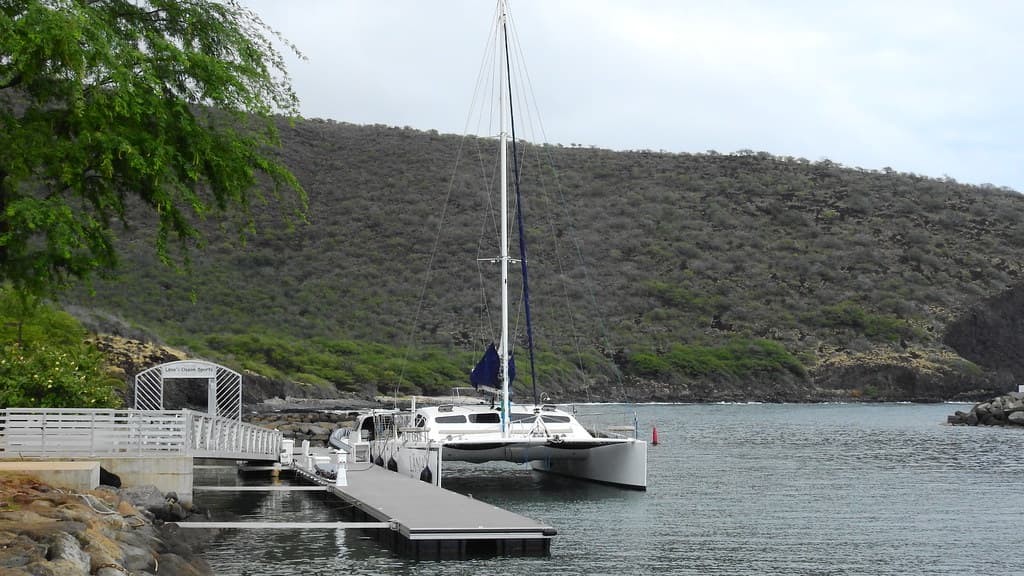 Credit: Flickr
Island of Lanai
Wade in past your knees and the seabed reveals itself: mounds of finger coral, urchins tucked into crevices, parrotfish that crunch algae with audible snaps. The reserve protects these waters, so fish approach without fear—yellow tangs drift past your mask, their bodies bright as poured sunlight. To your left, the reef wall plunges into deeper water where you might spot an octopus threading through rock or a spotted eagle ray gliding along the sand.
By midday the sun overhead erases shadows, turning the bay into a lens of turquoise. Locals arrive after work, parking near the boat ramp to fish off the rocks or let keiki splash in the shallows. You'll taste salt on your lips, feel the grit of sand drying on your calves, and understand why this tucked-away corner of Lanai earns its reputation without needing to shout.


