
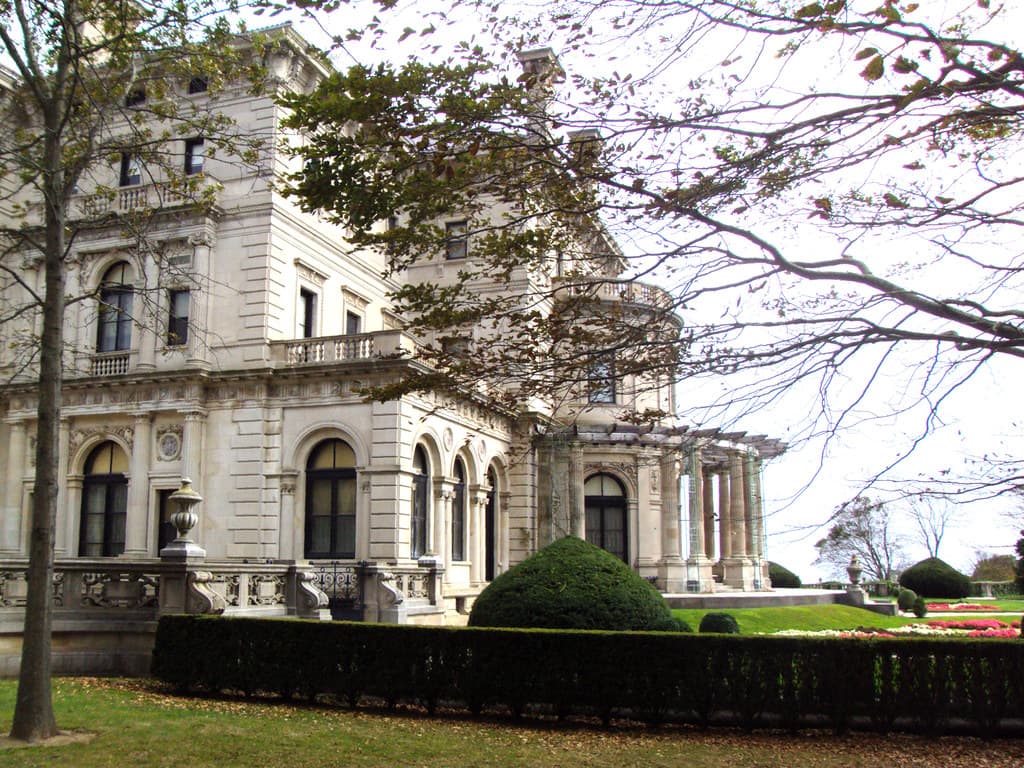
Grand Isle sits at the end of Highway 1, a threadbare strip of land where Louisiana's coastal wetlands surrender to the Gulf of Mexico. The beach here doesn't pretend to be anything but itself: working waterfront meets family shoreline, with crab traps stacked beside beach umbrellas and pickup trucks parked on the sand. The water arrives in gradual shades of green and brown, carrying sediment from America's largest river system, and the horizon is punctuated by offshore oil platforms that blink at night like constellations.
“Louisiana's only inhabited barrier island where you can cast for redfish from the same shoreline where your children build sandcastles.”
 Credit: Flickr
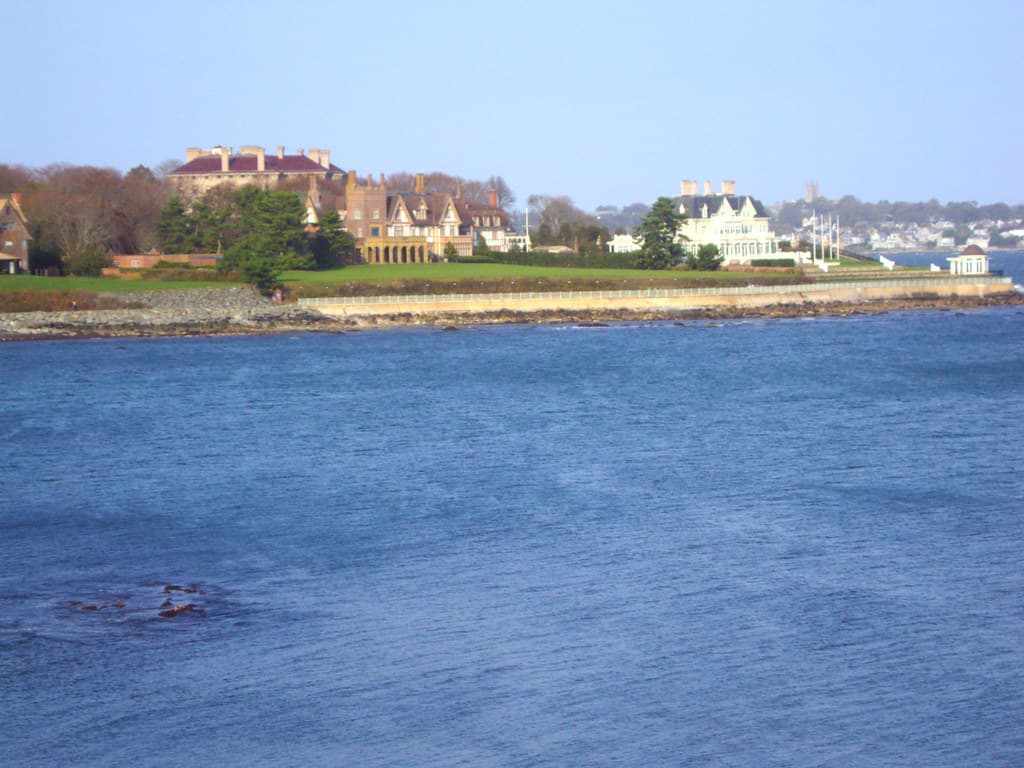
Newport Rhode Island.
You'll wade out fifty yards before the water reaches your chest—this gentle slope makes Grand Isle a magnet for families whose toddlers can splash safely while older kids hunt for blue crabs in the tidal pools. Shorebirds work the wrack line at dawn, and by mid-morning, canopies bloom in primary colors along the public beach access points. The air tastes of brine and Cajun seasoning drifting from someone's tailgate boil.
This is Louisiana coast in its most authentic form: part fishing village, part beach town, wholly unpretentious. Charter captains head out before sunrise for redfish and speckled trout. By afternoon, their clients return sunburned and satisfied, coolers full, ready to join the beachgoers who never left the sand. The island rebuilds after every hurricane, stubbornly resilient, because generations of families have claimed this sliver of land as their Gulf refuge.


