
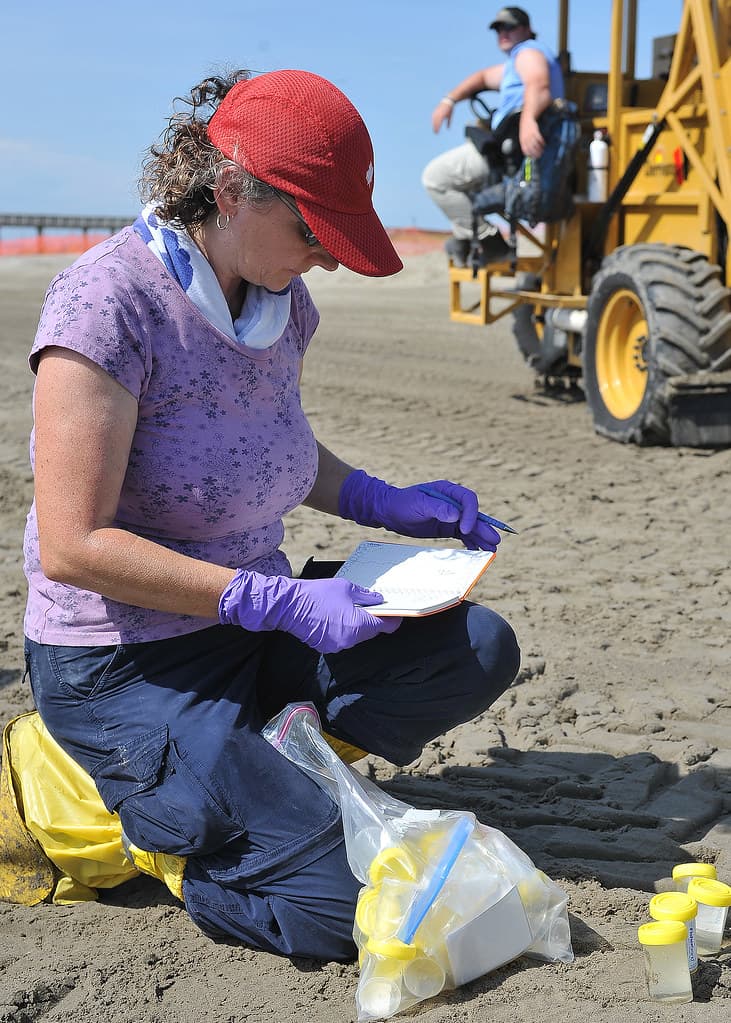
You arrive via a single causeway that arcs over the brackish marshlands where Cajun fishermen check crab traps from flat-bottomed pirogues. The beach itself runs narrow and unpretentious along Louisiana's only inhabited barrier island, a 400-acre strip where live oaks hunker against hurricane winds and the Gulf pushes shallow waves onto packed sand. This isn't the white-powder fantasy of Florida panhandles—the sediment here carries Mississippi River silt, turning the water shades of caramel and jade depending on tide and weather.
“The only state park beach in Louisiana where you can watch shrimp boats work the Gulf from your campsite.”
 Credit: Flickr
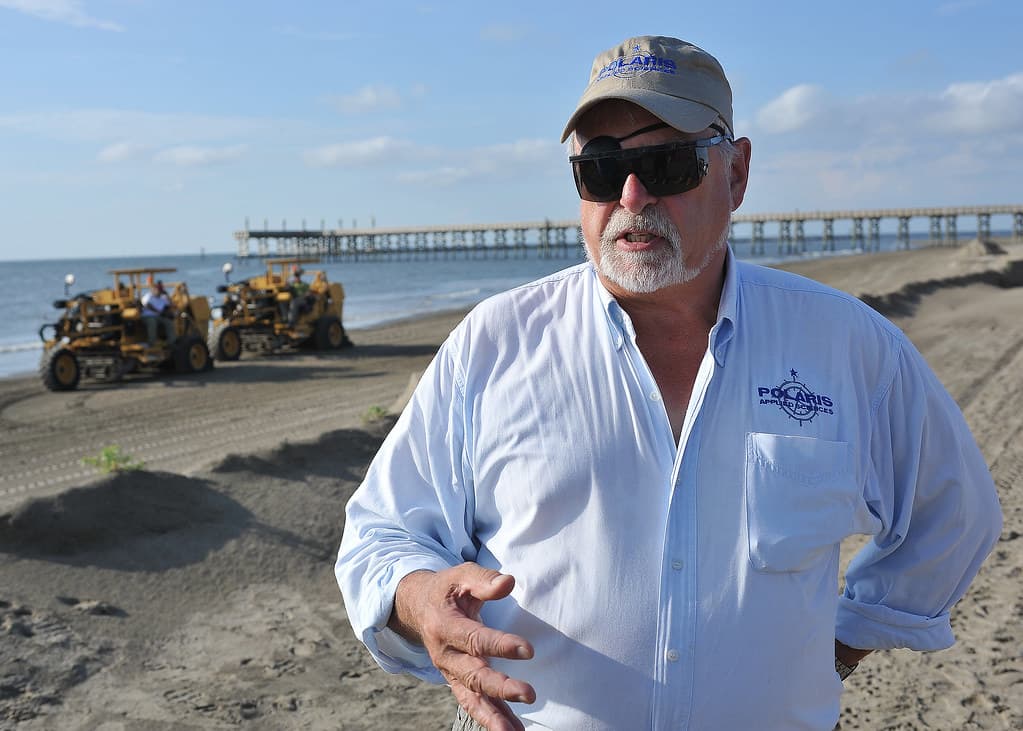
100823-G-5394S-056 Surf washing demonstration
Families spread blankets near the bathhouse while brown pelicans execute gravity-defying dives offshore. The jetty at the eastern end draws anglers casting for speckled trout and redfish, their coolers wedged between granite blocks that absorb the midday heat. Hermit crabs scuttle in tidal pools, and if you wade knee-deep, you'll feel the Gulf floor's characteristic squish—a mixture of shell hash and organic matter that feeds the richest estuary system in North America.
The campground sits directly behind the beach under a canopy of windswept oaks, close enough that you hear waves from your tent. Come evening, the horizon ignites in shades of tangerine and plum as offshore oil rigs blink to life like distant constellations. This is working-coast Louisiana—unapologetically functional, stubbornly beautiful, and utterly unlike anywhere else the Gulf touches American soil.


