
East Rockefeller Beach occupies the quieter, lesser-known eastern flank of the Rockefeller Wildlife Refuge shoreline, where the Gulf of Mexico laps against a narrow band of sand and shell hash that most visitors miss entirely. You'll park near scrubby dunes dotted with sea oats, then walk across a berm to find knee-deep shallows that extend hundreds of yards offshore. The water here is the color of sweet tea, warmed by sun and salted by tides that pulse through Vermilion Bay's labyrinth of channels.
“It offers solitude and undeveloped Gulf access along a wildlife refuge shoreline that prioritizes wetland ecology over beach amenities.”
 Credit: Flickr
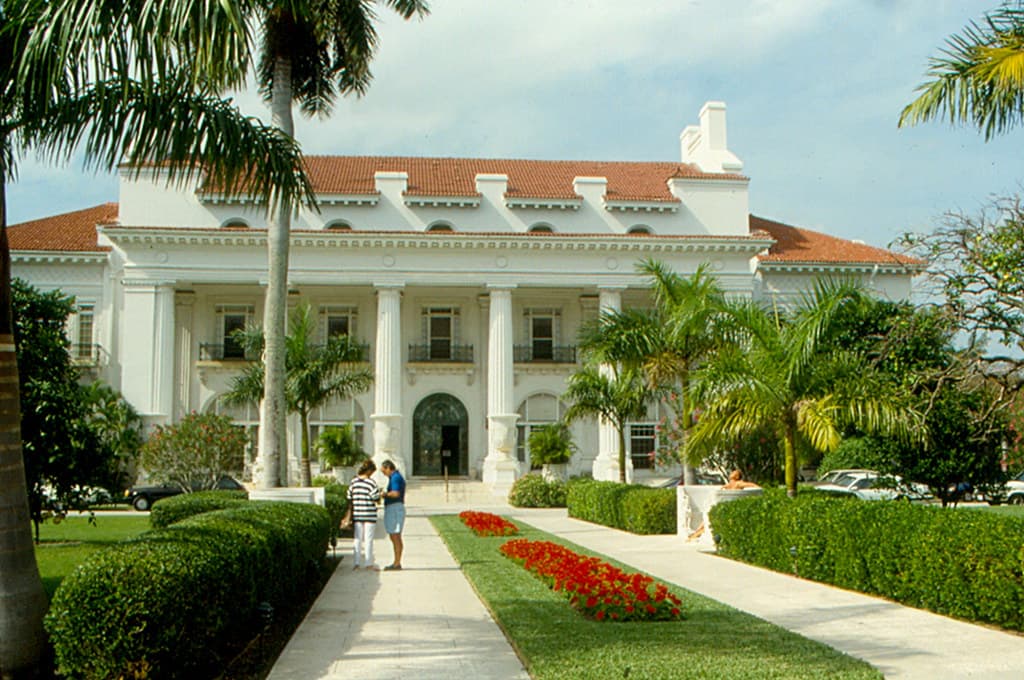
Palm Beach - "Whitehall" (Flagler Mansion)
This is not a beach for postcards. Instead, you get great blue herons stalking mullet in the shallows, pelican squadrons gliding inches above the chop, and the distant silhouette of oil platforms that remind you exactly where you are. The sand underfoot is coarse, mixed with broken coquina shells that crunch with every step. Come late afternoon and the western sky ignites—burnt orange bleeding into violet—while the marsh behind you hums with the chatter of clapper rails.
The refuge land around you is working landscape, managed for alligators and muskrats as much as for human recreation. You'll share the shoreline with anglers casting for redfish and the occasional birder clutching a scope. There are no lifeguards, no vendors, no umbrellas for rent—just miles of empty coast and the sense that you've slipped through a seam in the map.


