Counting the waves…
Counting the waves…

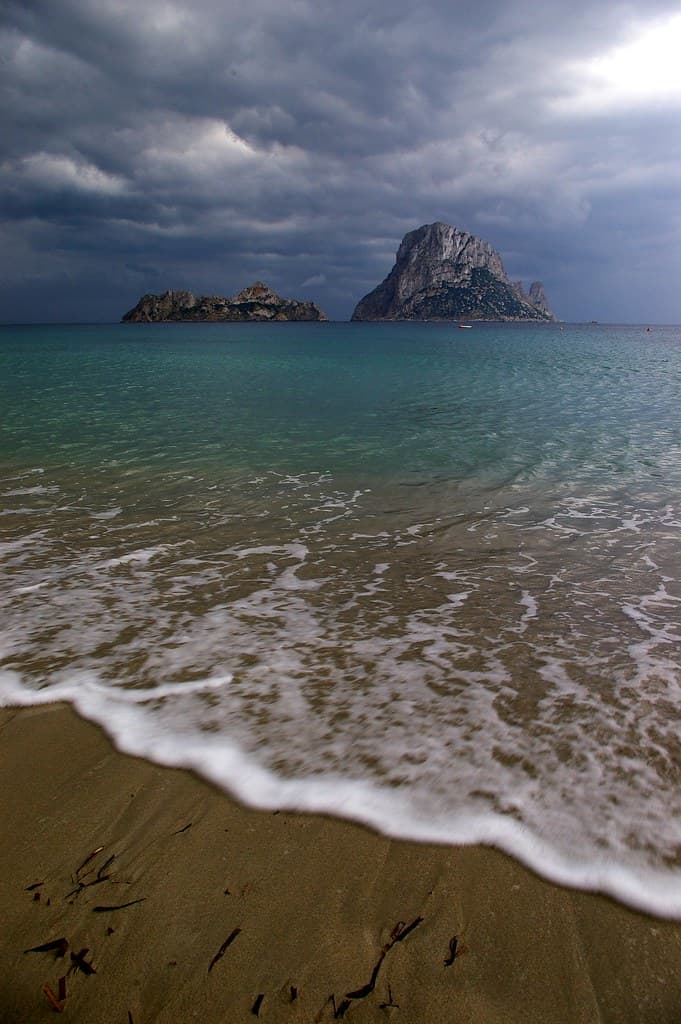
You're driving Route 15 across the causeway when you notice cars parked along the shoulder—locals who know this slim beach rewards those willing to stop mid-crossing. The shore here is all Maine honesty: rounded cobblestones in shades of ash and rust, sea-polished driftwood bleached bone-white, and tidal pools left behind by the retreating bay. Across the water, the Camden Hills rise in soft blue ridges, while lobster boats trace slow arcs through channels marked by bobbing buoys. The tide dictates everything. At low water, you can walk far out onto exposed mudflats where periwinkles cling to rocks and green crabs scuttle beneath ribbons of kelp. When the bay floods back in, it brings the briny perfume of rockweed and the rhythmic slap of wavelets against stone. Ospreys patrol overhead, occasionally folding their wings to dive. This isn't a beach for sunbathing or swimming laps. It's a place to crouch low and peer into tide pools, to collect sea-smoothed glass, to watch fishing boats head out at dawn with gulls screaming in their wake. The wind is almost always present, carrying the particular chill of water that never truly warms, even in August. Bring a windbreaker. Stay through a tide change. Let the bridge traffic pass without you.
Places, rentals, tours and events within walking and driving distance of Causeway Beach (Deer Isle).
Photos
Causeway Beach is generally safe for wading and exploring tide pools, but swimming conditions require caution. The water remains quite cold year-round, typical of Maine's coast, and there are no lifeguards on duty. Strong currents can occur during tide changes. The beach features rocky areas and seaweed, so water shoes are recommended. Most visitors prefer beachcombing, picnicking, and enjoying the scenic views rather than swimming. Always check tide schedules and weather conditions before visiting, and supervise children closely near the water.
Causeway Beach offers year-round beauty, though summer (June-September) provides the warmest weather and calmest seas for exploration. Early fall brings fewer crowds and stunning foliage views across the water. Low tide is ideal for discovering tide pools and walking further along the shore. Spring and winter visits offer dramatic scenery and solitude, but dress warmly as coastal winds can be fierce. Sunrise and sunset provide exceptional photography opportunities regardless of season. Check local tide charts to plan your visit during low tide for the best beach access.
Causeway Beach is located on Deer Isle, accessible via Route 15 across the Deer Isle-Sedgwick Bridge from the mainland. Look for the small parking area along Causeway Road near the beach access point. Parking is limited to a few vehicles, so arrive early during peak season. The beach requires a short walk from the road. Deer Isle is about 40 miles south of Bangor and 90 miles from Portland. No entrance fees are required, and the area is relatively unmarked, adding to its hidden charm.
Deer Isle and nearby Stonington offer several dining options, including casual seafood restaurants and cafés, typically within a 10-15 minute drive from Causeway Beach. Fresh lobster and local fare are specialties. Accommodations range from waterfront inns and bed-and-breakfasts to vacation rentals scattered across the island. The beach itself has no facilities—no restrooms, food vendors, or amenities—so plan accordingly and bring supplies. Stonington, the main village, provides grocery stores and shops for provisions. Book lodging in advance during summer months.
Causeway Beach stands out for its unspoiled, off-the-beaten-path character and lack of development. Unlike touristy Maine beaches, it remains largely unknown to visitors, offering peaceful solitude and authentic coastal Maine scenery. The beach features dramatic island views, interesting rock formations, and excellent tide pooling opportunities. Its location on Deer Isle, a working fishing community known for granite quarrying history, provides cultural context beyond typical beach visits. The absence of facilities and crowds creates a genuine wilderness beach experience rare along Maine's increasingly developed coast.