
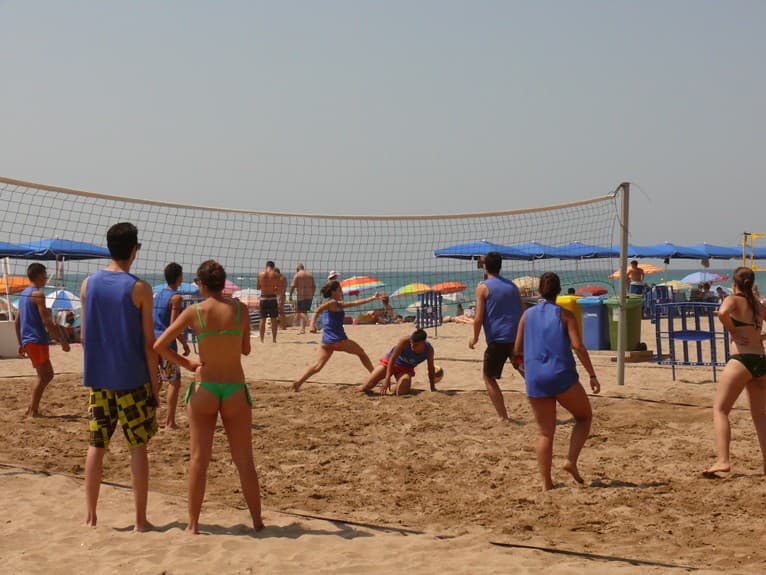
The village of Corea clings to the easternmost knuckle of the Gouldsboro Peninsula, where Route 195 dead-ends at a working fishing harbor that hasn't changed much since your grandparents' era. The beach itself is a narrow band of rounded stones and tide-smoothed ledge, framed by dark spruce and the kind of weathered wooden piers that still smell of bait and diesel. At high tide, the water laps against barnacle-crusted granite; at low, you can walk out onto exposed shelves pocked with tidal pools.
“One of the last untouristed working harbors on the Maine coast where fishing boats still vastly outnumber pleasure craft.”
 Credit: Flickr
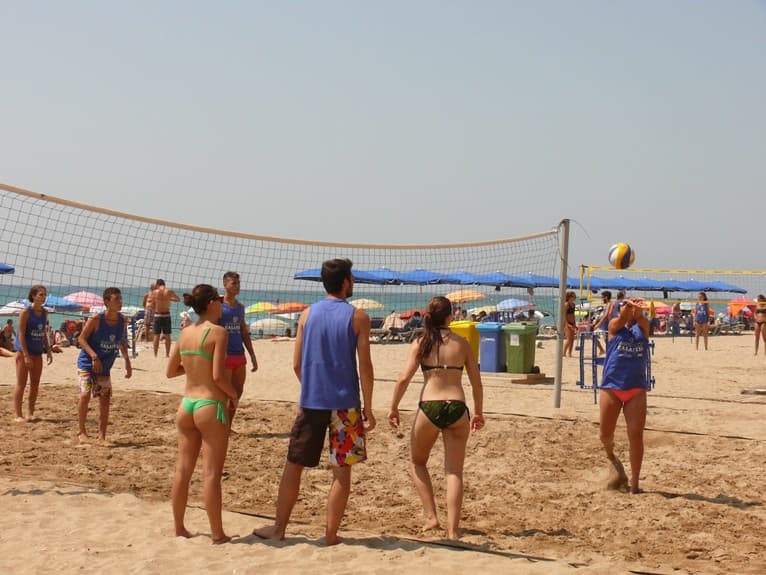
Voley Playa (13)
This is not a place for beach towels or volleyball nets. You come here to watch lobstermen haul traps at dawn, their boats cutting white wakes through fog so thick it muffles sound. The water stays numbingly cold even in August—mid-fifties on a warm day—but that's part of the point. Corea exists outside the rhythm of summer tourism that defines much of the Maine coast, a pocket where the ocean still dictates the calendar and the only soundtrack is wind through pine boughs and the distant clang of bell buoys.
The village road loops past a handful of shingled cottages and one modest general store, then delivers you to the public landing where locals launch skiffs and visitors stand mesmerized by the working waterfront. Bring layers, even in July. The Downeast fog rolls in without warning, turning the archipelago of offshore islands into gray silhouettes that appear and vanish like thoughts.


