Counting the waves…
Counting the waves…
A refined fusion of water purity, environmental stability, and communal vibrancy for South Lubec Beach.
View MethodologyAnalyzed via live sensors and environmental data.
Wave height, wind, and atmospheric stability.
Live footfall and crowd balance metrics.
Community reviews and curated sentiment.
“You'll feel the Atlantic before you see it here—cold spray on your face, the smell of kelp and spruce, the groan of bell buoys offshore. South Lubec Beach sits where Canada looms across the Quoddy Narrows, and the tide…”
Limited recent visitor reports — live OBI telemetry is your best guide for current conditions.
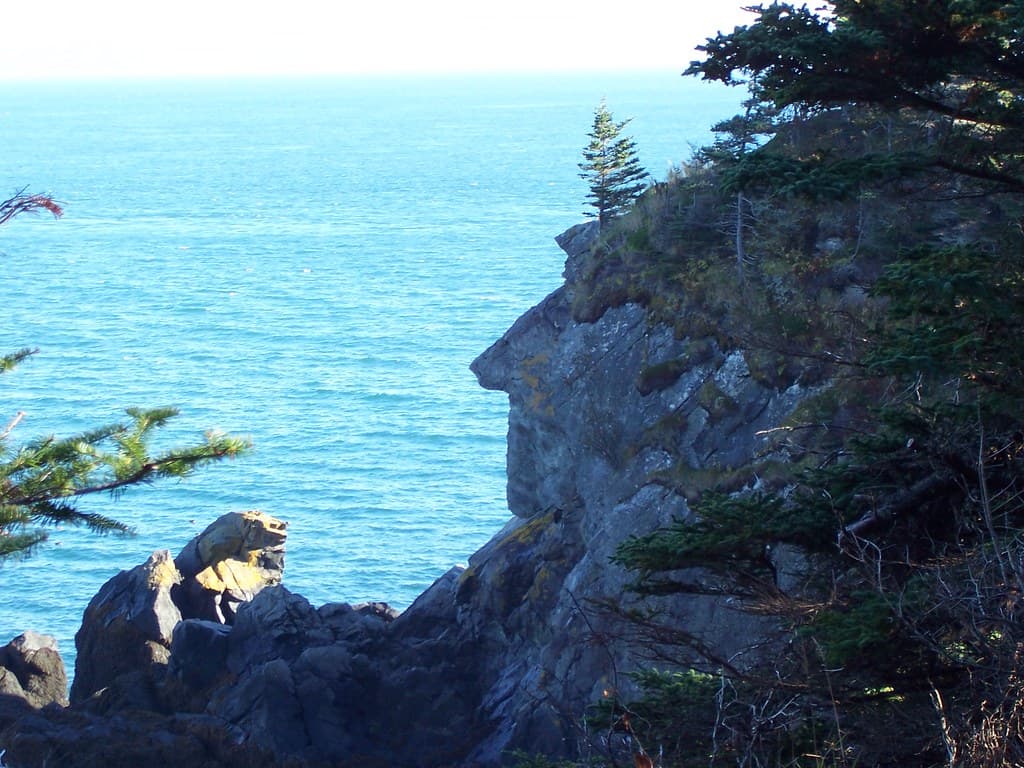
The beach stretches along a narrow crescent of land where the Bay of Fundy meets the Gulf of Maine, and the tides here rise and fall with the force of a slow-motion earthquake. At low water, you walk across exposed mudflats studded with barnacle-crusted rocks and ribbons of rockweed; six hours later, the sea has swallowed it all. The air tastes of salt and diesel from the sardine canneries that once lined this coast, though most are shuttered now, their weathered bones rusting into the shoreline.
Across the Narrows, Campobello Island's forests rise dark green against the sky—you're close enough to Canada that your phone might switch networks. Bald eagles drift overhead, hunting the tidal pools. In summer, the water rarely climbs past fifty-five degrees; locals who swim do so quickly. Driftwood logs, polished bone-white by the relentless tides, pile high along the upper beach, perfect for leaning against while you watch lobster boats work their traplines.
 Credit: Unsplash
a foggy day on the shore of a lake
 Credit: Unsplash
green trees near body of water during daytime
Sunrise over Campobello Island daily
Explore tide pools at low water
Strong currents demand tide charts
Where it is
South Lubec Beach
Lubec, Maine, USA
44.828900°, -67.042600°
Weather
Loading…
Swell
—
Temp
Warm · Restorative
UV Index
Moderate
Wind
—
Tidal State
Last known
Max Sunlight
—
Ideal Shade
—
May - Sep (Peak)
Jan - Dec (Off-season)
Historical data suggests peak visibility and stable sea temperatures occur during the prime visitation window.
Select a category to load nearby places.
Unlock restaurants, luxury stays and curated maritime experiences within 2km
Swimming at South Lubec Beach is generally not recommended due to extremely cold water temperatures year-round, typically ranging from 45-55°F even in summer. The strong currents and tides along this Bay of Fundy coastline also present safety concerns. Most visitors come for beachcombing, tide pooling, and scenic views rather than swimming. If you do wade in, be aware of rapidly changing tides and always supervise children closely. The beach is better suited for walking and wildlife watching than water activities.
South Lubec Beach is accessible year-round, but late spring through early fall (May-September) offers the most comfortable weather for exploring. Summer months provide the warmest temperatures, typically 60-70°F, ideal for beachcombing and photography. Early morning visits often reward you with stunning sunrises, as Lubec is the easternmost point in the continental United States. Winter visits can be beautiful but harsh, with strong winds and freezing temperatures. Check tide schedules before visiting, as low tide reveals extensive tide pools and interesting rock formations.
South Lubec Beach is located on the southern end of Lubec, accessible via South Lubec Road off Route 189. The beach has limited roadside parking along South Lubec Road near the shore access points. There isn't a formal parking lot, so arrive early during summer months to secure a spot. The beach is about 3 miles from downtown Lubec and roughly 50 miles from Bangor via Routes 1A and 189. Roads are well-maintained but remote, so ensure you have fuel and supplies before heading out to this rural coastal area.
Lubec offers several dining options and accommodations within a few miles of the beach. Downtown Lubec, about 3 miles away, has seafood restaurants, cafes, and small eateries serving fresh lobster and local fare. Lodging options include bed and breakfasts, inns, and vacation rentals in town. The beach itself has no facilities, restrooms, or food vendors, so bring your own supplies. Nearby Campobello Island in Canada (accessible via bridge) offers additional dining and lodging, though you'll need a passport. Stock up on essentials in Lubec before beach visits.
Yes, South Lubec Beach offers views toward the Old Sow, the Western Hemisphere's largest tidal whirlpool, located in the waters between Lubec and Deer Island, New Brunswick. The whirlpool is most visible during mid-tide cycles, approximately three hours before high tide, when water velocities create the swirling effect. While you can sometimes see disturbances in the water from shore, closer views require boat tours. The phenomenon results from the Bay of Fundy's extreme tidal range interacting with underwater topography. Bring binoculars for better viewing.
Photos