
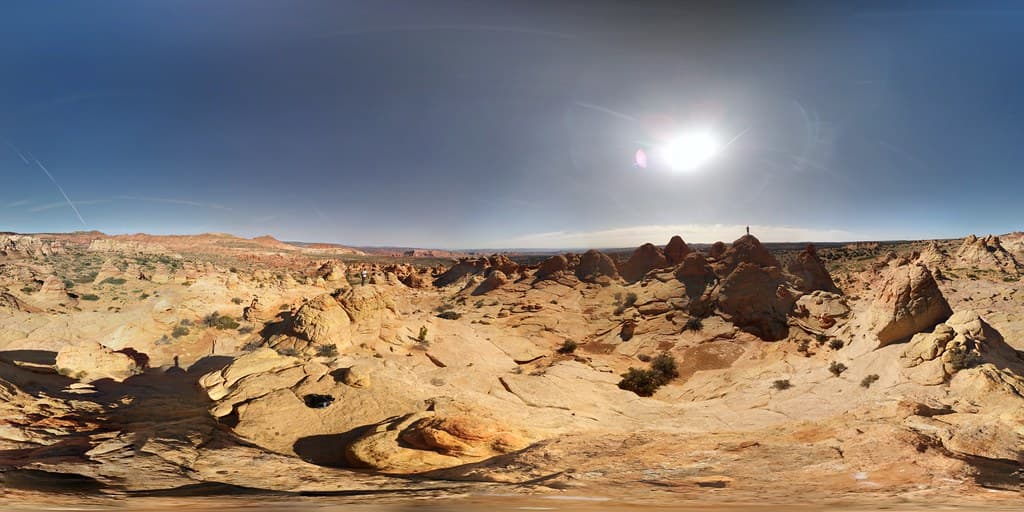
The drive from Berlin ends at a trailhead where asphalt surrenders to sand. You walk a half-mile boardwalk through maritime forest—loblolly pine and wax myrtle releasing their resinous perfume—before the trees part and the ocean roars into view. Dune Beach South occupies the Maryland segment of Assateague Island, a 37-mile ribbon of barrier beach where development never arrived and nature writes the daily script.
“This is one of the last undeveloped barrier beaches on the mid-Atlantic coast where wild horses still roam freely.”
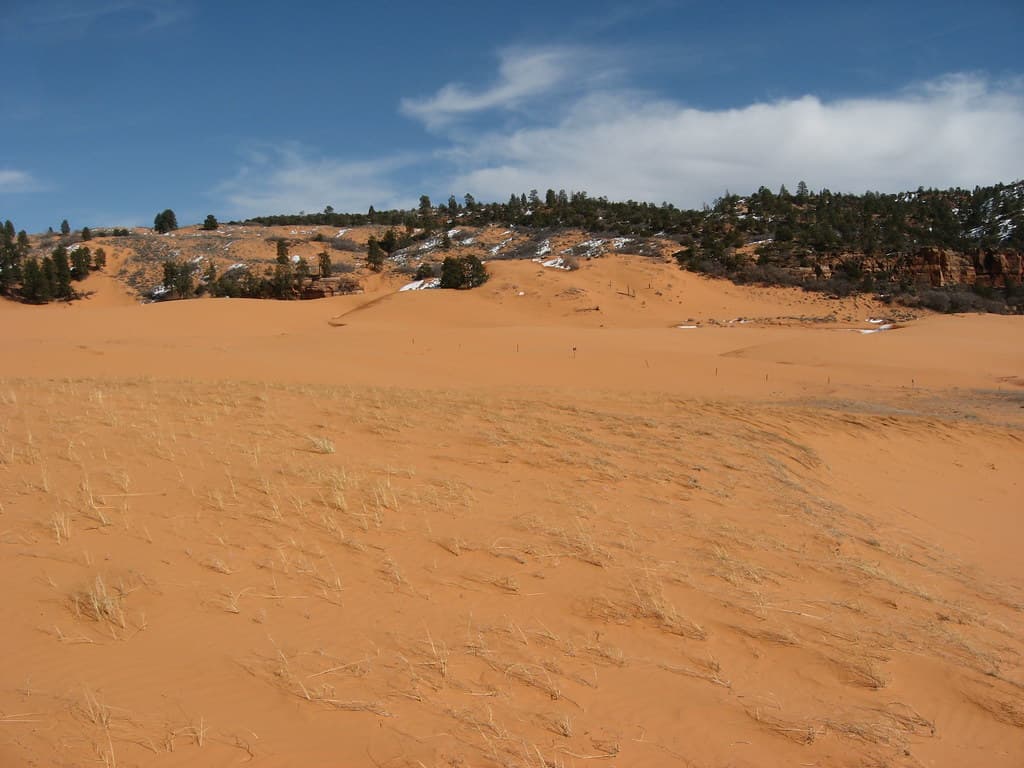 Credit: Flickr
Coral Pink Sand Dunes, Kane County, Utah
The beach curves north and south in an unbroken line, backed by dunes that rise and fall like slow breath. Sanderlings sprint along the wrack line, and ospreys dive into the surf. The famous Assateague horses appear without schedule—shaggy, salt-stained, utterly indifferent to your camera. They browse the dune grasses, shake flies from their manes, and occasionally wade into the shallows to cool their legs. Park regulations require you keep 40 feet between yourself and these compact descendants of colonial-era livestock.
The absence of infrastructure is the point. No lifeguards, no snack bars, no umbrella rentals. You carry in what you need and carry out what remains. The reward is solitude even on summer weekends, when neighboring Ocean City throngs with beachgoers. Here, the only sounds are wave-crash, gull-cry, and wind hissing through spartina.


