
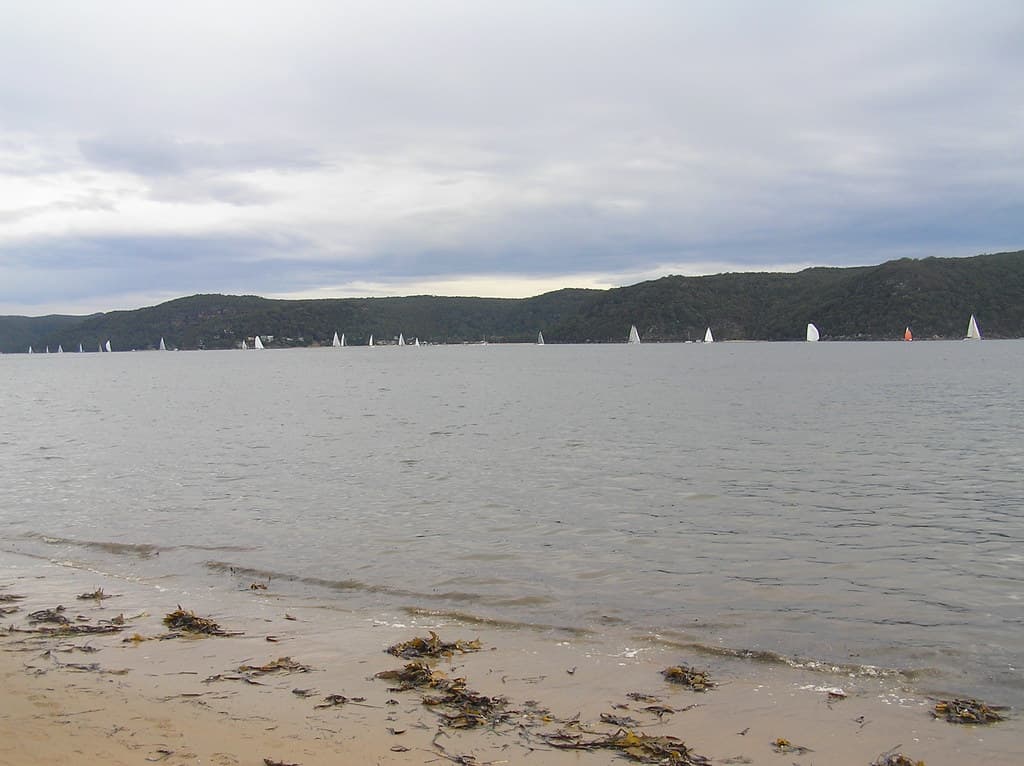
Long Wharf Park Beach unfurls along a protected stretch of the Choptank River, where warm, tea-colored water laps a narrow swath of imported sand. The beach sits inside Cambridge's working waterfront—you can watch skipjacks and buyboats motoring past while your toes sink into surprisingly soft granules. Gulls argue over blue crab scraps near the pier, and the air carries that brackish perfume of spartina grass and diesel fuel that defines every Chesapeake harbor town.
“You're wading in a working river harbor where the beach shares space with commercial crabbers and historic sailing vessels still earning their keep.”
 Credit: Flickr
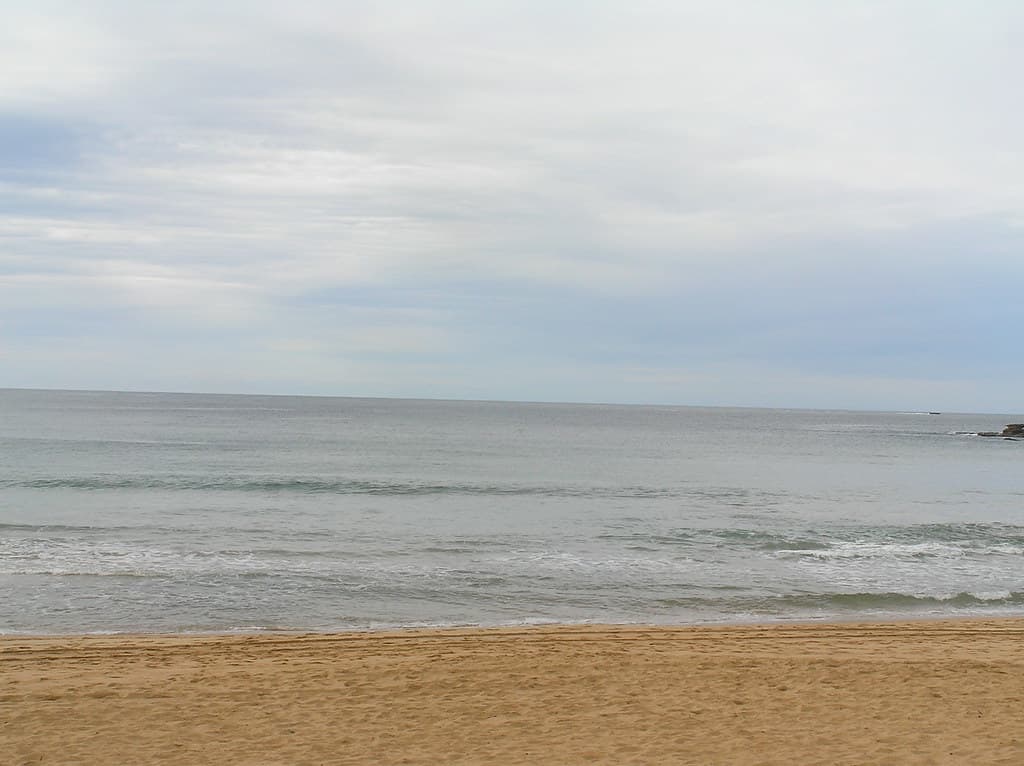
Palm Beach, Sydney, Australia
The beach itself is modest, maybe a hundred feet of actual sand backed by a groomed lawn and a paved promenade. You won't find lifeguards or concession stands, but the simplicity is the draw: bring a blanket, wade into the shallows where the riverbed slopes gently, and watch skipjack captains maneuver wooden sailboats with the same rigging their grandfathers used. Come midweek in shoulder seasons and you'll share the space with a handful of retirees feeding mallards and college kids escaping Salisbury for the afternoon.
The beach functions as Cambridge's front porch, a place where the town actually meets the water that built it. Across Race Street, the Choptank River Lighthouse marks the harbor entrance, painted white and rust-red, while downtown's antique shops and oyster houses sit three blocks inland. You're swimming in history here—Harriet Tubman country, waterman territory—but the vibe stays unpretentious, all vinyl siding and workboats instead of yacht clubs.


