Counting the waves…
Counting the waves…
A refined fusion of water purity, environmental stability, and communal vibrancy for Calvert Cliffs State Park Beach.
View MethodologyAnalyzed via live sensors and environmental data.
Wave height, wind, and atmospheric stability.
Live footfall and crowd balance metrics.
Community reviews and curated sentiment.
“You'll walk through loblolly pines for nearly two miles before the trail opens onto a narrow sand ribbon pressed between forty-foot sediment cliffs and the bay's brackish lap. Tawny fossils—shark teeth, stingray barbs,…”
Limited recent visitor reports — live OBI telemetry is your best guide for current conditions.
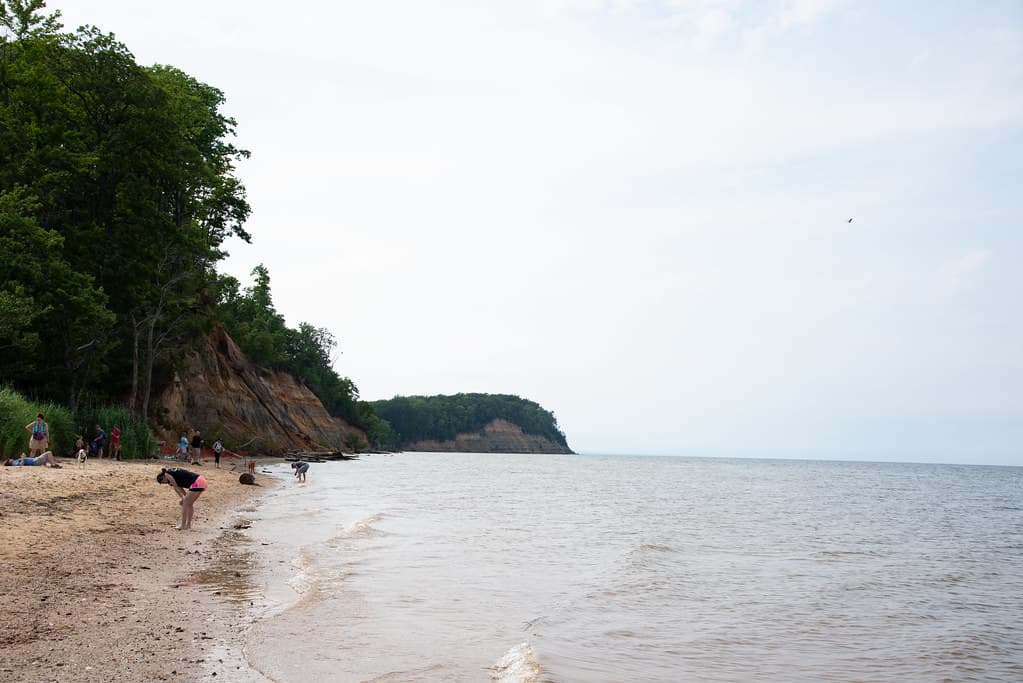
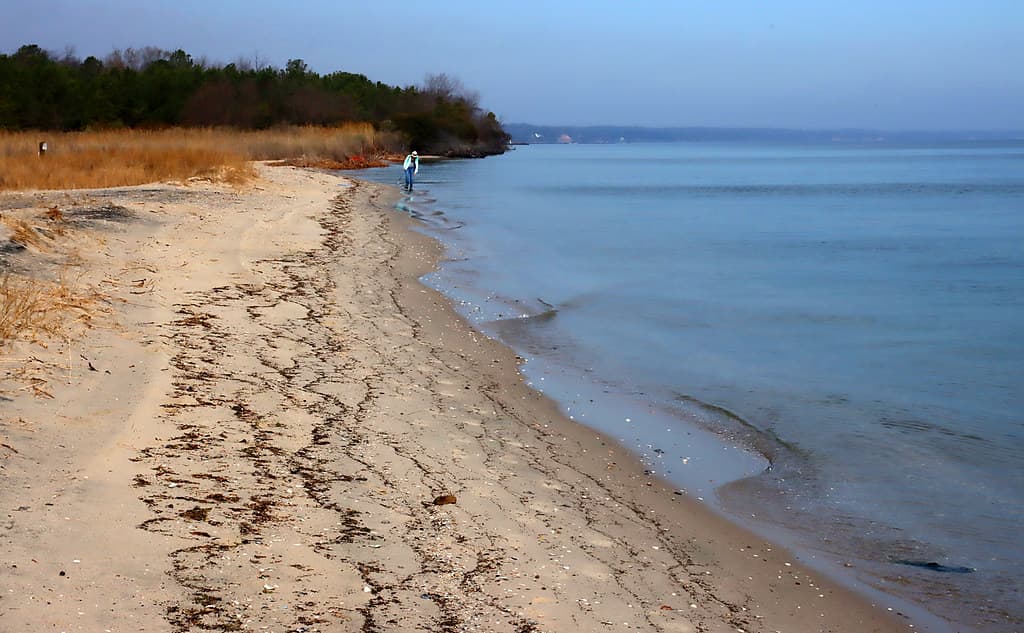
The hike in gives you time to recalibrate. Two miles through humid Maryland woodland, the air thick with pine resin and the distant mineral smell of the Chesapeake, before the forest breaks and you're standing at the base of ochre-and-rust cliffs that have been spilling their fifteen-million-year-old secrets since the last ice age. The beach itself runs narrow and pebbly, more utilitarian than luxurious, with driftwood bleached silver and small waves that slap rather than crash.
You'll spend your first hour head-down, scanning the wrack line where the cliffs meet sand. That triangular black shape might be a Carcharocles tooth the length of your thumb. The knobbed disc could be a crocodile scute. Every storm resets the inventory, and every visitor becomes an amateur paleontologist, pockets weighted with fragments of ancient seabeds.
Credit: FlickrForest Trail In
Credit: FlickrFossil Hunting
Two miles through loblolly pines
Shark teeth at the tideline
Shallow brackish Chesapeake shallows
Where it is
Calvert Cliffs State Park Beach
Lusby, Maryland, USA
38.407700°, -76.430600°
Weather
Loading…
Swell
—
Temp
Warm · Restorative
UV Index
Moderate
Wind
—
Tidal State
Last known
Max Sunlight
—
Ideal Shade
—
May - Sep (Peak)
Jan - Dec (Off-season)
Historical data suggests peak visibility and stable sea temperatures occur during the prime visitation window.
Select a category to load nearby places.
Unlock restaurants, luxury stays and curated maritime experiences within 2km
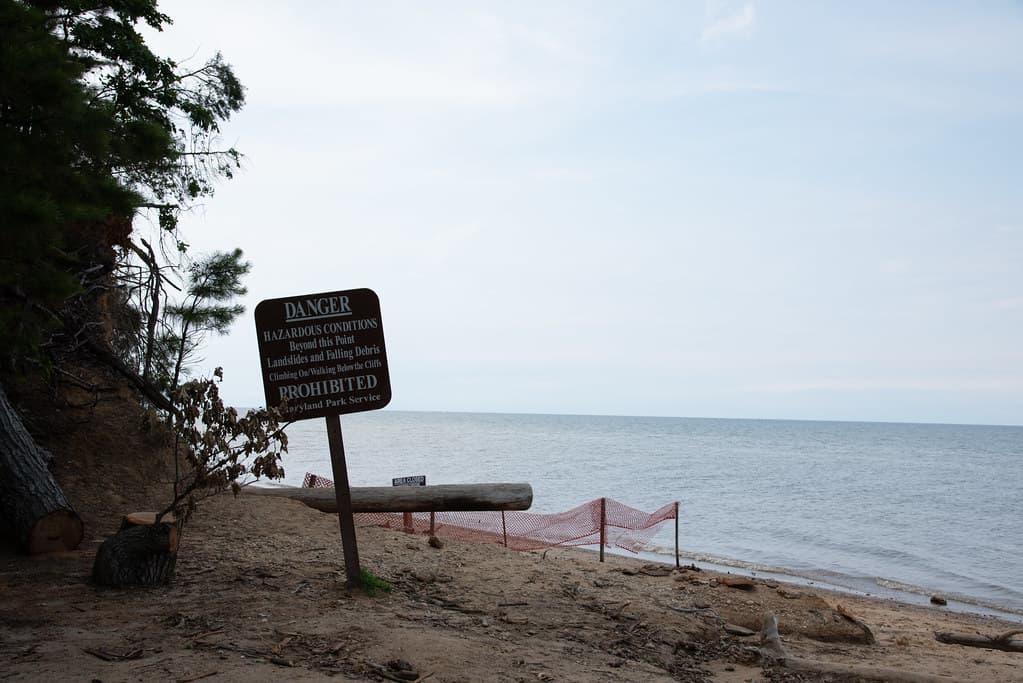
Swimming is permitted at Calvert Cliffs Beach, but conditions require caution. The Chesapeake Bay waters here are generally calm, though jellyfish can be present in summer months. There are no lifeguards on duty, so swim at your own risk. The beach is rocky rather than sandy, so water shoes are recommended. Be aware of the cliffs themselves—while scenic, they're actively eroding. Never climb the cliffs or sit directly beneath them, as falling debris poses a serious hazard. Check weather and water conditions before your visit.
Spring and fall offer the most comfortable conditions for hiking and fossil hunting at Calvert Cliffs, with mild temperatures and fewer crowds. Summer (June-August) is popular for swimming but can be hot and humid, with more visitors. Winter visits are possible year-round, though trails may be muddy. For fossil hunting—the main attraction—visit after storms or during low tide when erosion exposes new specimens. Weekdays are generally less crowded than weekends. The park opens daily from sunrise to sunset throughout the year.
Calvert Cliffs State Park is located in Lusby, Maryland, about 60 miles southeast of Washington D.C. From Route 4, take Route 2/4 south, then follow signs to the park entrance. A main parking lot accommodates visitors, but it fills quickly on summer weekends—arrive early. Note that the beach requires a 1.8-mile hike each way on the Red Trail through forest, so plan accordingly. There's no vehicle access directly to the beach. Out-of-state vehicles pay a small service fee. Public transportation options are extremely limited in this rural area.
Calvert Cliffs State Park has minimal amenities—restrooms and a recycling center at the trailhead, but no food service. Pack your own water and snacks, as the round-trip hike totals 3.6 miles. The nearest restaurants and convenience stores are in Lusby, about 10-15 minutes away. For lodging, Prince Frederick (20 minutes north) and Solomons Island (20 minutes south) offer hotels and vacation rentals. The nearby town of Chesapeake Beach has additional dining options. Consider bringing a cooler for your vehicle, as there are no facilities at the beach itself.
Yes, Calvert Cliffs is genuinely famous for Miocene-era fossils, particularly shark teeth dating back 10-20 million years. The eroding cliffs continuously expose new fossils on the beach, making finds common for patient searchers. Look along the shoreline, especially after storms or at low tide. You'll find teeth from extinct sharks, along with shells, whale bones, and rays' teeth. Collecting is permitted for personal use only. Bring a small mesh bag or container. Remember: never dig into or climb the cliffs themselves—collect only from the beach. It's a legitimate fossil-hunting destination.
Photos