Counting the waves…
Counting the waves…

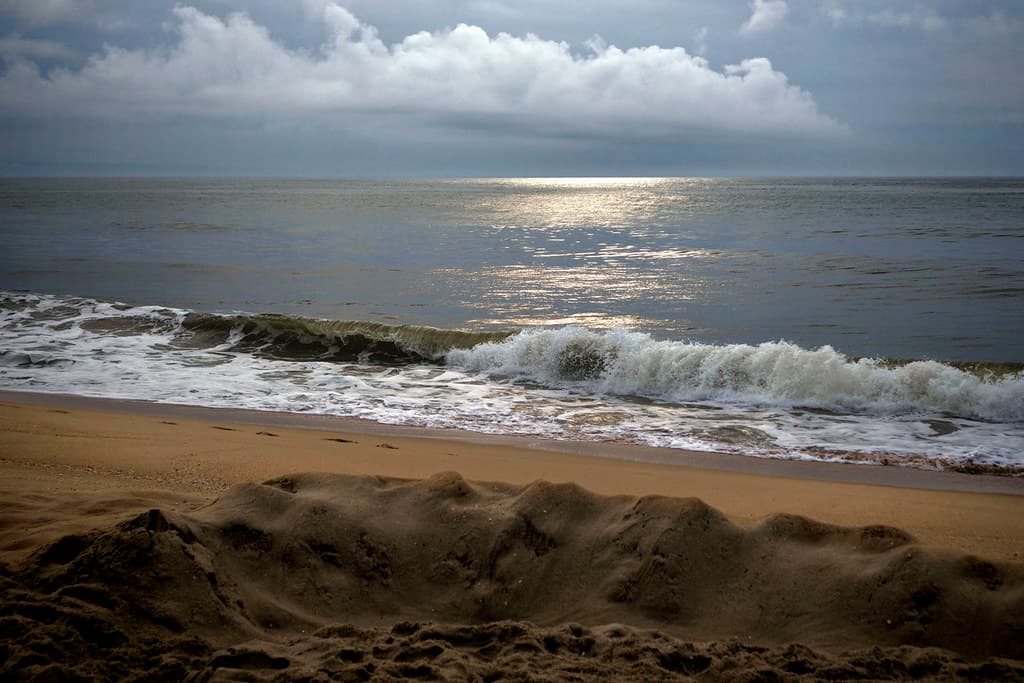
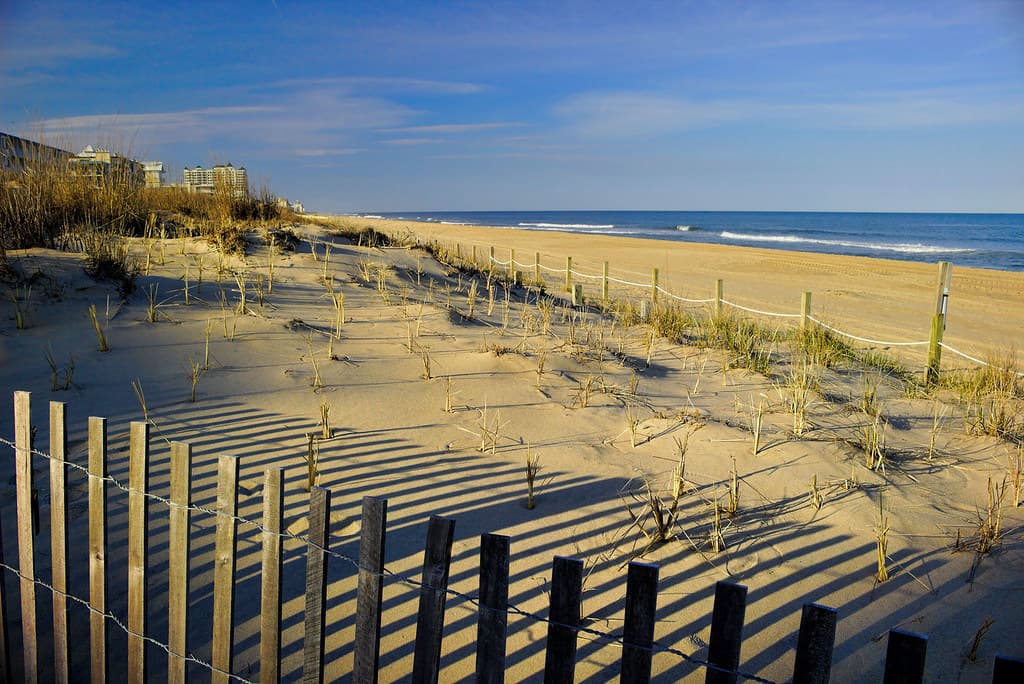
Gold Coast Beach occupies the quieter southern end of Ocean City's barrier island, where the condominiums give way to low-rise buildings and the pace softens noticeably. You'll spread your towel on sand that's just as fine as the boardwalk beaches three miles north, but without the parade of vendors and peak-season shoulder-to-shoulder sprawl. Families stake out territory early, planting umbrellas and coolers for the day while children dig moat systems that fill and drain with the tide. The waves here break gently enough for first-time bodyboarders, and the beach patrol keeps watch from Memorial Day through Labor Day. You'll notice the water temperature hovers in the low seventies by midsummer—bracing at first, then refreshing as August humidity sets in. Sandbars form offshore, creating shallow pools where toddlers wade while parents stand waist-deep just beyond. Parking fills the metered streets behind the dunes, and you'll carry your gear down short wooden ramps that cut through the beach grass. The absence of a nearby pier or amusement park means you hear the Atlantic clearly—waves folding onto shore, gulls crying overhead, the occasional jet ski buzzing farther out. By late afternoon, the angle of light turns the breaking surf amber, and families begin the slow ritual of shaking sand from towels and loading wagons for the walk back.
Places, rentals, tours and events within walking and driving distance of Gold Coast Beach (OCMD).
Photos
Gold Coast Beach is generally safe for family swimming, with Ocean City lifeguards on duty during summer months (typically late May through early September, 10am-5:30pm). The beach features gentle slopes and relatively calm surf compared to other Ocean City areas. However, always supervise children closely and check daily flag warnings. Purple flags indicate dangerous marine life, red means high hazard, and yellow signals medium hazard. Rip currents can occur, so swim near lifeguard stands and avoid swimming during storms or when beaches are closed.
For fewer crowds, visit Gold Coast Beach during shoulder seasons: May-early June or mid-September through October. You'll enjoy pleasant weather (60-75°F) and calmer beaches compared to peak summer. Weekdays are significantly quieter than weekends year-round. July and August bring the warmest water (70-75°F) but maximum crowds and higher accommodation prices. Winter visits offer solitude and beautiful ocean views, though swimming isn't recommended due to cold temperatures. Spring and fall provide the best balance of comfortable weather and manageable crowds for families.
Gold Coast Beach visitors typically use Ocean City's metered street parking along Coastal Highway and side streets, which costs approximately $2-3 per hour during peak season. Several paid municipal lots are available nearby, with daily rates ranging from $10-20 depending on season and proximity. Parking meters generally enforce from 8am-midnight in summer. Arrive before 9am for best availability during peak season. Some beachfront hotels offer parking for guests. Free parking is extremely limited, so budget for parking costs when planning your visit to this Ocean City area.
Gold Coast Beach sits along Ocean City's main strip, offering abundant dining and amenities within walking distance. You'll find casual seafood restaurants, pizza shops, ice cream parlors, and convenience stores along Coastal Highway. Popular nearby options include family-friendly restaurants serving Maryland crab cakes and fresh seafood. Beach equipment rentals (umbrellas, chairs, boogie boards) are available from vendors along the boardwalk and beach. Numerous hotels, motels, and condos provide lodging options for all budgets. Public restrooms and outdoor showers are accessible at designated beach access points.
Gold Coast Beach refers to a specific section of Ocean City's beachfront, though it's not officially designated differently from Ocean City's continuous 10-mile beach. The nickname developed locally to describe certain upscale beachfront areas. All Ocean City beaches share the same Atlantic Ocean waters and similar wide, sandy characteristics. The beach experience varies mainly by location: downtown near the boardwalk is busiest, while northern sections tend to be quieter. Gold Coast areas typically attract families seeking a more relaxed atmosphere while remaining close to Ocean City's attractions and amenities.