Counting the waves…
Counting the waves…
A refined fusion of water purity, environmental stability, and communal vibrancy for Fort Smallwood Park Beach.
View MethodologyAnalyzed via live sensors and environmental data.
Wave height, wind, and atmospheric stability.
Live footfall and crowd balance metrics.
Community reviews and curated sentiment.
“Fort Smallwood Park Beach sprawls along the northern lip of the Patapsco River where it meets the bay, its sandy crescent shadowed by concrete gun batteries that once defended Baltimore Harbor. You'll wade through marsh…”
Limited recent visitor reports — live OBI telemetry is your best guide for current conditions.
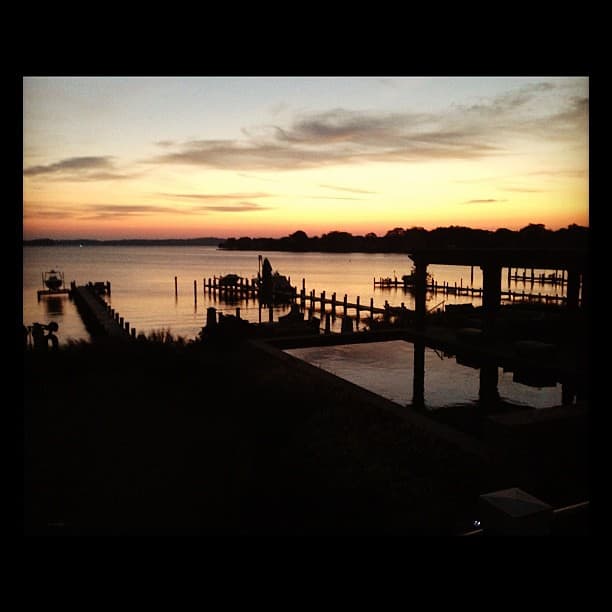
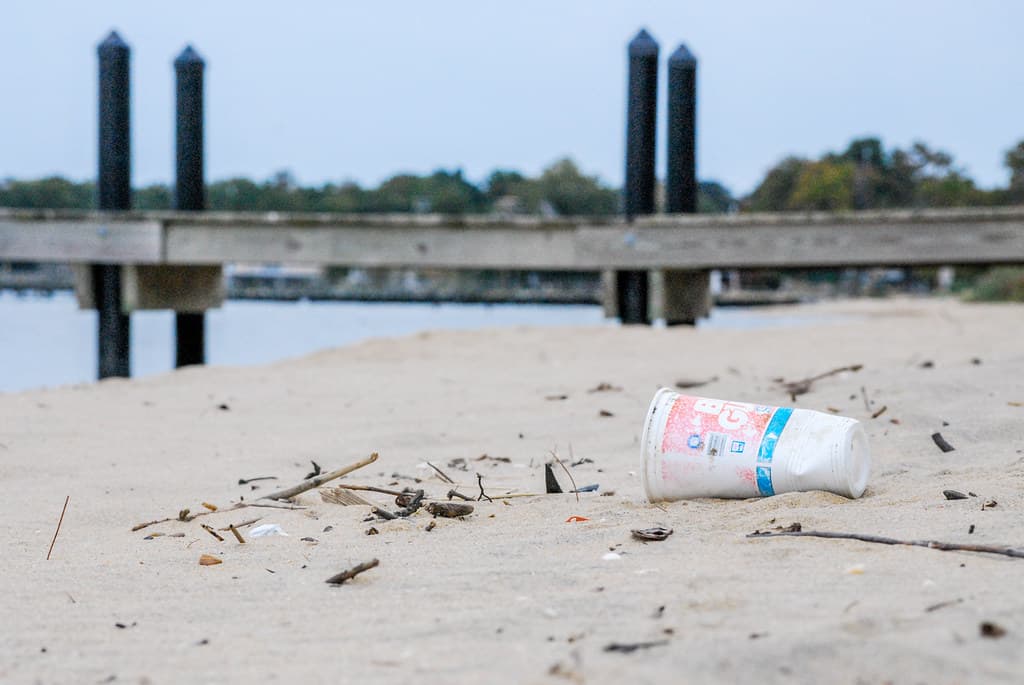
The beach at Fort Smallwood reveals itself gradually. You park near the picnic pavilions, walk past the weathered fortifications—squat, graffitied chambers that smell of salt and concrete—and arrive at a shoreline that refuses to fit the postcard mold. The sand here mingles with crushed shells and smooth stones; the water, tinted amber by tannins and silt, stretches flat toward the Bay Bridge in the distance. Children dig for periwinkles while their parents set up camp chairs in the shade of scraggly pines.
This is a beach built for doing, not posing. Anglers line the fishing pier at dawn, pulling rockfish and white perch from the brackish current. Kayakers launch from the boat ramp and thread through the shallows, startling herons from the marsh edges. The park's 90 acres offer enough lawn for kite-flying, enough forest trail for a pre-swim wander, enough history—those hollow gun emplacements date to 1896—to satisfy the curious.
 Credit: Unsplash
A person riding a surfboard on a wave in the ocean
 Credit: Unsplash
A large house sitting on top of a sandy beach
Calm bay water, gentle entry
Historic gun batteries from 1896
Paddle Patapsco River marshes nearby
Where it is
Fort Smallwood Park Beach
Pasadena, Maryland, USA
39.183500°, -76.471200°
Weather
Loading…
Swell
—
Temp
Warm · Restorative
UV Index
Moderate
Wind
—
Tidal State
Last known
Max Sunlight
—
Ideal Shade
—
May - Sep (Peak)
Jan - Dec (Off-season)
Historical data suggests peak visibility and stable sea temperatures occur during the prime visitation window.
Select a category to load nearby places.
Unlock restaurants, luxury stays and curated maritime experiences within 2km
Fort Smallwood Park Beach sits on the Patapsco River where it meets the Chesapeake Bay, making water conditions generally calmer than ocean beaches. However, there are no lifeguards on duty, so supervision is essential. The sandy beach area is shallow and suitable for wading and splashing with children. Water quality can vary, especially after heavy rains, so check local advisories before swimming. The park's protected location and gradual slope make it popular with families, but always practice water safety and watch children closely.
Late spring through early fall (May-September) offers the warmest weather for beach activities, with summer temperatures typically reaching the 80s°F. The park is open year-round from sunrise to sunset, making it accessible for off-season walks and wildlife viewing. Weekday visits are less crowded than weekends during peak summer months. Early morning and late afternoon provide excellent opportunities for photography and cooler temperatures. Winter months attract anglers and those seeking peaceful waterfront walks, though swimming isn't recommended in cold weather.
Fort Smallwood Park is located at 8437 Fort Smallwood Road in Pasadena, Maryland, approximately 15 miles south of Baltimore. From Baltimore, take I-695 to MD-173 East (Mountain Road) and follow signs to the park. Ample free parking is available in paved lots near the beach area. The park can get crowded on summer weekends, so arriving early is recommended. GPS coordinates work reliably for navigation. No public transportation directly serves the park, so personal vehicle access is necessary.
Fort Smallwood Park offers basic amenities including restrooms, picnic pavilions, and grills, but no food concessions or restaurants on-site. Visitors should pack food, drinks, and beach supplies. Several fast-food restaurants and convenience stores are located along Mountain Road (MD-173), about 2-3 miles from the park entrance. The nearby town of Pasadena has various dining options within a 10-minute drive. For lodging, hotels and accommodations are available in nearby Glen Burnie, Pasadena, and Annapolis, typically 15-20 minutes away.
Yes, Fort Smallwood Park is renowned among anglers for excellent fishing opportunities. The park features a fishing pier extending into the Patapsco River, popular for catching striped bass, white perch, catfish, and croaker depending on season. A Maryland fishing license is required for anyone 16 and older. The pier and shoreline provide accessible fishing spots for all skill levels. Many visitors combine beach activities with fishing. The park's strategic location where the river meets the Chesapeake Bay creates productive fishing conditions year-round.
Photos