Counting the waves…
Counting the waves…

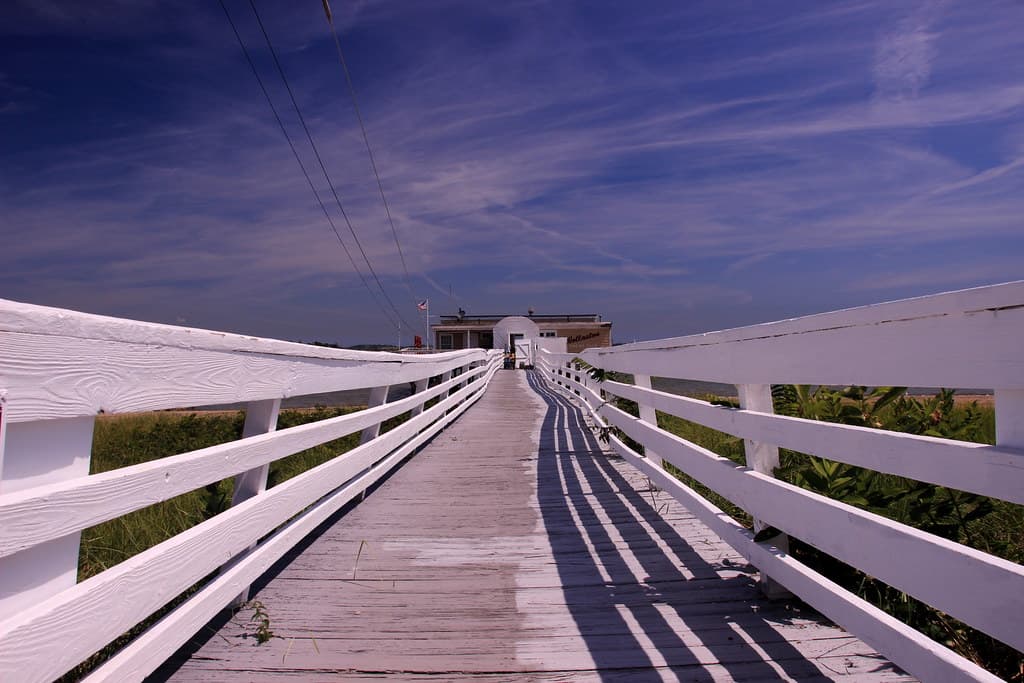
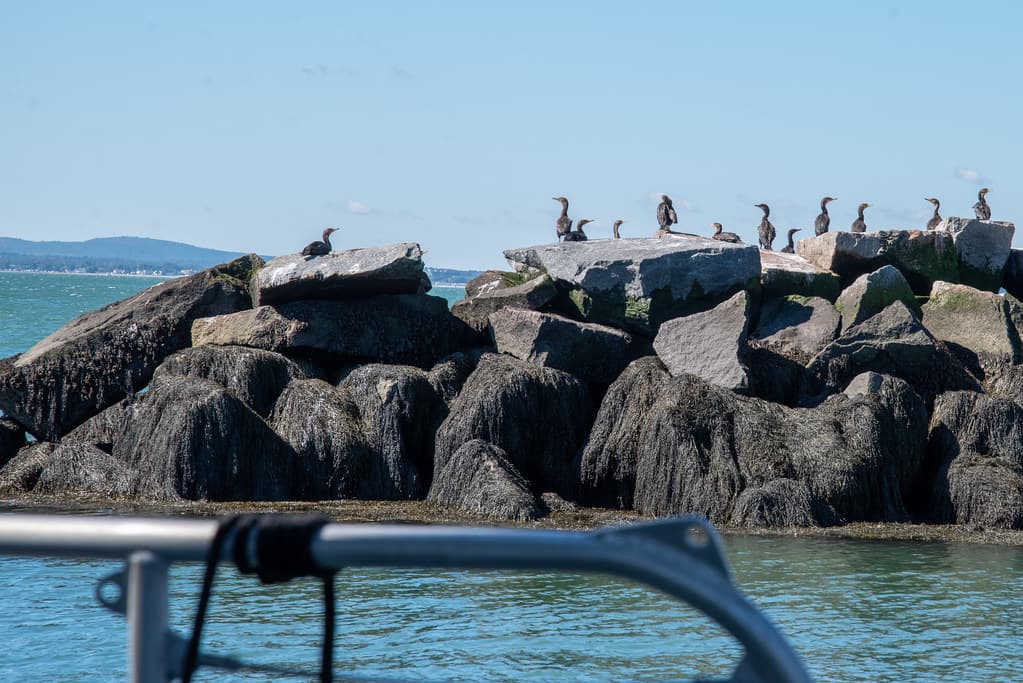
The ferry ride from Boston takes thirty minutes, but Gallops Island exists in a different century. You'll beach-comb along a shoreline littered with weathered brick from the old quarantine hospital, smooth cobbles worn by decades of tidal churn, and twisted driftwood deposited by nor'easters. The sand here is coarse and shell-flecked, the kind that crunches under your sneakers as you trace the island's perimeter beneath the flight path into Logan—jets roar overhead while herons stalk the shallows below. The drumlin topography creates sheltered pockets on the western shore where the water stays calm even when offshore winds kick up whitecaps in the shipping channel. You'll find tide lines marked by rockweed and bladderwrack, and if you time your visit to low water, mudflats extend fifty yards out, pocked with clam holes and the prehistoric trails of horseshoe crabs. The ruins of Fort Warren loom across Quincy Bay, a reminder that these islands once guarded the harbor. Pack everything in and out—there are no facilities, no concessions, no lifeguards. Just you, the gulls wheeling overhead, and the steady lap of harbor water against a beach that belongs, for the moment, entirely to those willing to make the crossing.
Places, rentals, tours and events within walking and driving distance of Gallops Island Beach.
Photos
Swimming at Gallops Island Beach is not recommended and is generally discouraged by park authorities. The beach is largely undeveloped with no lifeguards on duty. Strong currents and boat traffic in Boston Harbor create potentially hazardous conditions. The water quality can also vary significantly. While you can wade along the shoreline, the island is better suited for picnicking, exploring historic structures, and enjoying harbor views. Always exercise extreme caution near the water and supervise children closely.
The best time to visit Gallops Island is late spring through early fall (May-October) when ferry service operates and weather is most pleasant. Summer months offer warmest temperatures ideal for picnicking and exploring. The island is accessible year-round technically, but ferry schedules are seasonal and limited primarily to weekends. Check Boston Harbor Islands ferry schedules in advance, as service frequency varies. Early fall provides fewer crowds and comfortable temperatures, while spring can be cooler but offers peaceful island exploration.
Gallops Island is accessible only by boat. Seasonal ferry service runs from Long Wharf in downtown Boston to various Harbor Islands, though Gallops has limited scheduled service. Private boats can dock at the island's pier. For mainland parking, use garages near Long Wharf or Christopher Columbus Park in downtown Boston. Public transportation via the Blue Line to Aquarium Station is recommended. Always verify current ferry schedules with Boston Harbor Islands National Recreation Area before planning your trip.
Gallops Island has no food services, stores, or lodging facilities. Visitors must bring their own food, water, and supplies for the day. The island has minimal amenities—portable toilets are typically available during the visitor season, but facilities are very basic. No overnight camping is permitted. Pack out all trash, as waste receptacles may be limited. Bring sunscreen, insect repellent, and plenty of drinking water. The nearest restaurants and accommodations are back in downtown Boston.
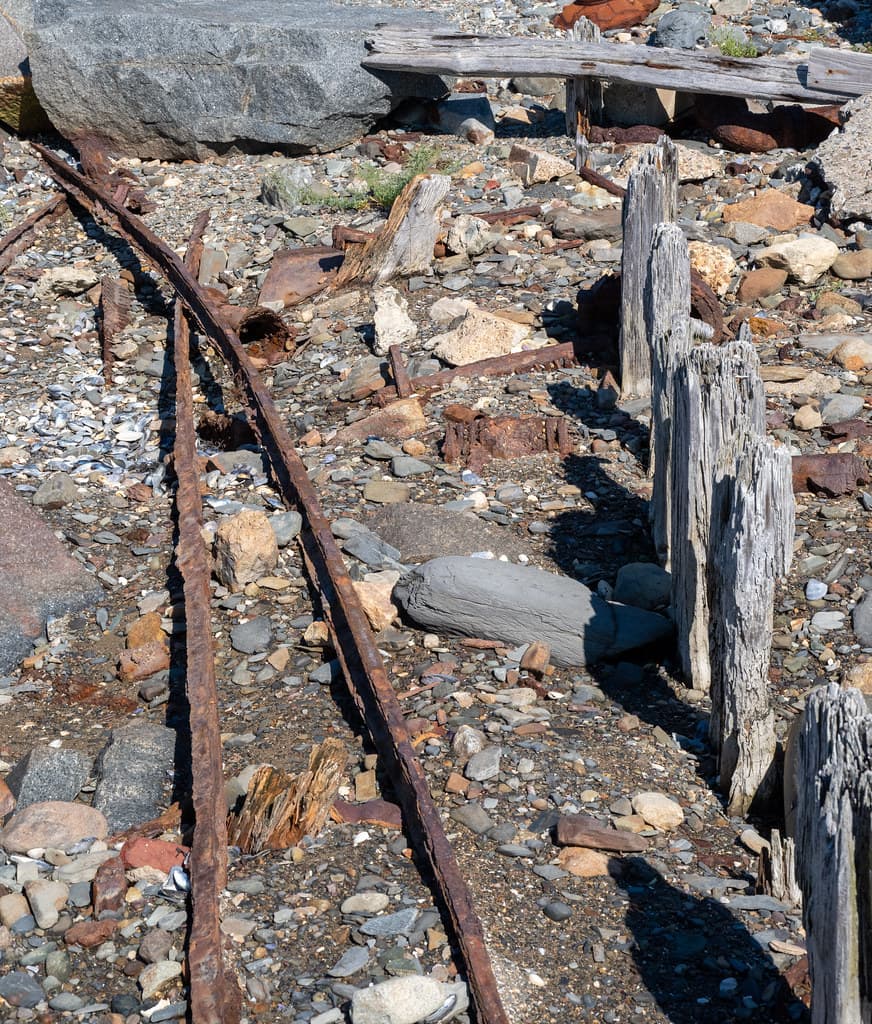
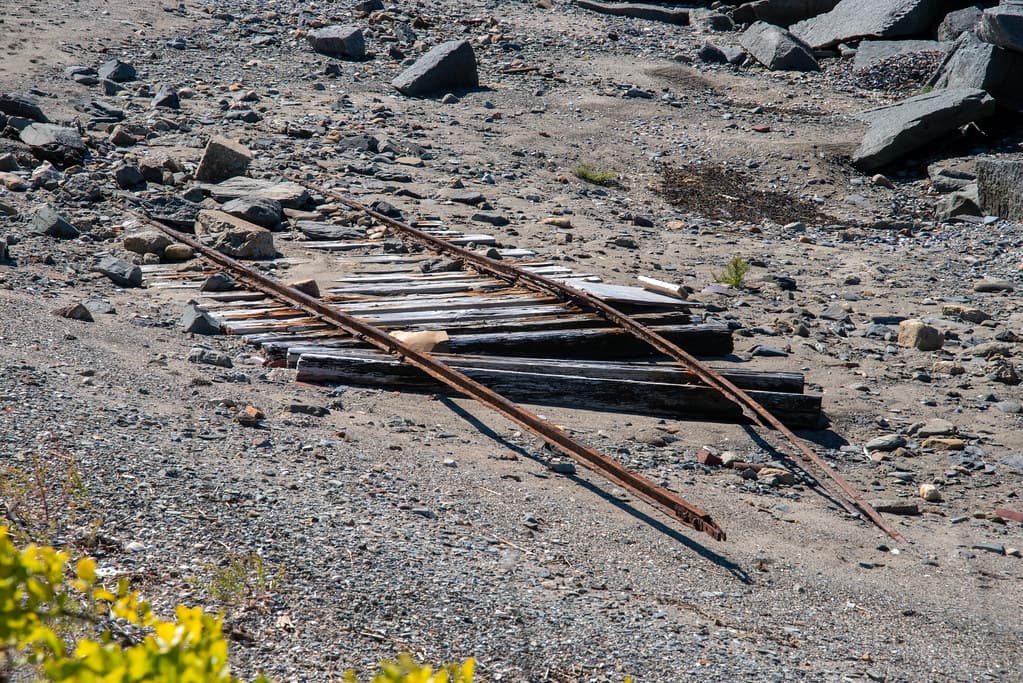
Gallops Island features ruins from its diverse past as a Civil War training camp, immigration quarantine station, and later a maritime radio school. Visitors can explore remnants of old buildings, including former barracks and hospital foundations scattered across the 23-acre island. However, many structures are deteriorating and fenced off for safety. The island offers a unique glimpse into Boston Harbor's layered history. Always respect posted signs and barriers, as some areas may be unstable or restricted for preservation efforts.