Counting the wavesβ¦

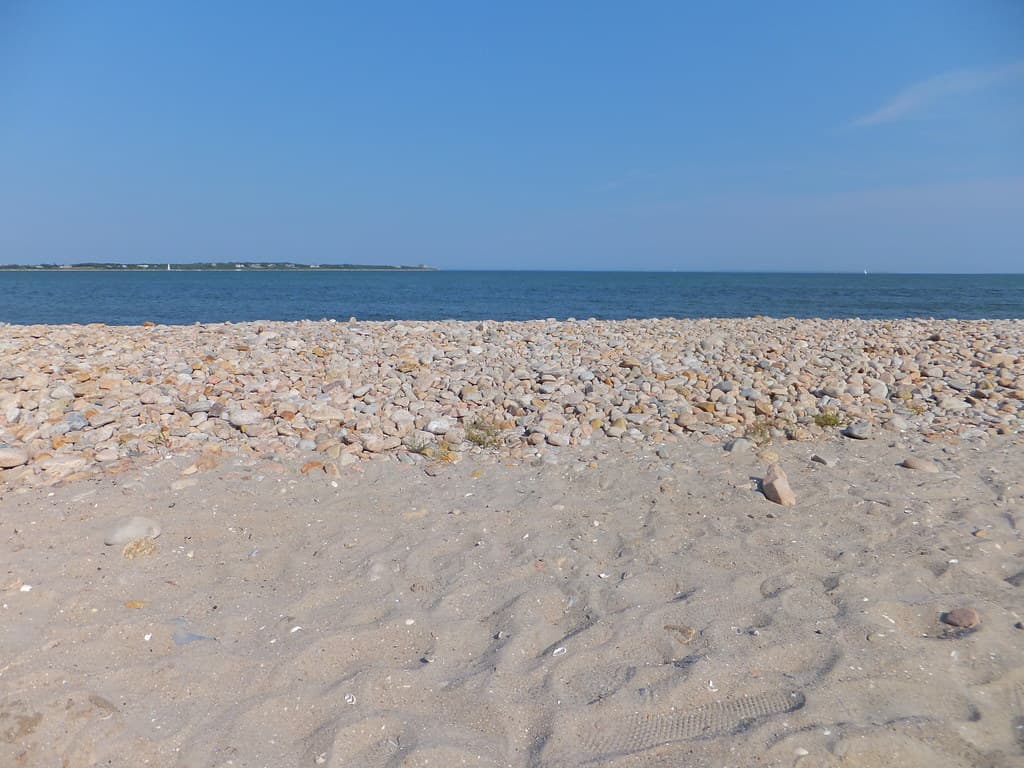
The beach curves gently along a protected inlet, its sand fine enough to mold into elaborate castles but firm enough for beach volleyball nets that appear most weekends. Gulls wheel overhead as you spread your towel near the grassy play area, where the scent of sunscreen mingles with salt air and someone's packed lunch. The bathhouse, built in classic New England brick, offers clean facilities and outdoor showers that never seem to have a long wait. Wade out fifty feet and the water still barely reaches your waistβa geography that makes parents relax and children bold. Small waves lap rather than crash, their rhythm steady against your ankles as you walk the tideline collecting moon snails and slipper shells. By early afternoon, the pavilion provides welcome shade where you can watch sailboats tack across the bay toward Mount Hope Bridge in the distance. The park closes at sunset, but the hour before offers the day's best light. Families pack up slowly, shaking sand from towels while kids make one last dash to the water. You'll leave with that particular exhaustion that comes from a day spent entirely outdoors, your skin tight with salt and sun, already planning when you'll return.
Places, rentals, tours and events within walking and driving distance of Demarest Lloyd Beach.
Photos
Demarest Lloyd Beach is generally considered family-friendly with calm, shallow waters ideal for children, as it sits along the protected Slocum's River rather than the open ocean. Lifeguards are typically on duty during summer months. The gradual slope and gentle currents make it safer than ocean beaches, though parents should always supervise children. Water quality is monitored regularly, but check local advisories before swimming. The beach's calm conditions and dedicated family atmosphere have made it a popular choice for Fall River families for generations.
Summer months from late June through early September offer the warmest weather and full amenities, with lifeguards on duty and bathhouses open. Water temperatures are most comfortable in July and August. However, the beach is accessible year-round and attracts visitors in spring and fall for peaceful walks, bird watching, and scenic views without crowds. Weekdays in summer are less crowded than weekends. Early morning visits provide stunning sunrise views over the water, while shoulder seasons offer mild temperatures perfect for beach strolls and photography.
Demarest Lloyd Beach is located on Barney's Joy Road in Fall River's South End. From Route 195, take Exit 3 and follow Davol Street south, then turn onto Barney's Joy Road. The beach has an on-site parking lot, but access is restricted to Fall River residents who must display valid parking permits during peak season. Non-residents typically cannot park at the beach during summer months. Visitors should verify current parking regulations with the Fall River Parks Department before planning their trip, as policies may vary by season.
Demarest Lloyd Beach has basic on-site amenities including bathhouses and restrooms during summer. Food options are limited directly at the beach, so many visitors pack picnics. The nearest restaurants and convenience stores are several miles away in Fall River's main commercial areas along Route 6 and downtown. For lodging, Fall River offers hotels and motels about 15-20 minutes from the beach, with additional options in nearby Dartmouth and Westport. Visitors should bring beverages and snacks, especially during peak season when leaving and returning may mean losing parking.
Demarest Lloyd Beach is city-owned property maintained by Fall River's Parks Department specifically for local residents. This policy helps manage beach capacity and ensures Fall River taxpayers, who fund beach maintenance and services, have priority access. Resident-only policies are common for municipal beaches in Massachusetts coastal communities. Fall River residents can obtain seasonal parking permits through the city. This restriction is most strictly enforced during summer weekends when the beach is busiest. The policy reflects the beach's role as a community resource rather than a tourist destination.