Counting the waves…
Counting the waves…

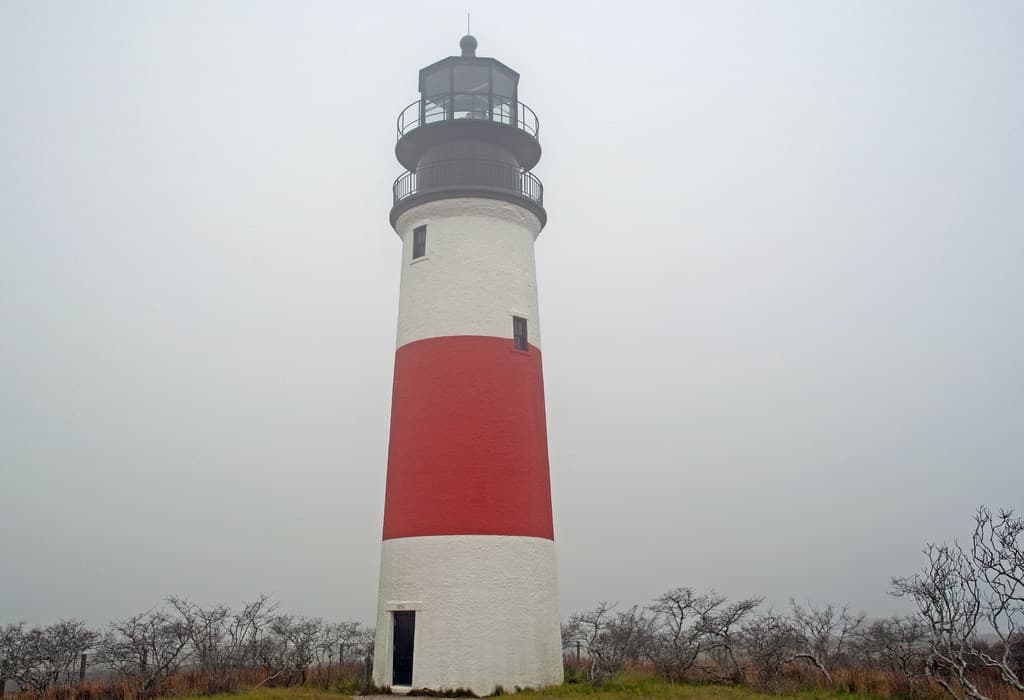
The journey to Coatue—pronounced "co-TOO"—demands commitment. You'll air down your tires to 12 psi and secure an over-sand vehicle permit, or you'll arrange passage with a charter captain who knows the tricky currents off Great Point. The reward is 1,100 acres of barrier beach where pitch pine and beach plum grow stunted by the wind, and the only structures you'll see are the 1818 Great Point Lighthouse and a handful of weathered fishing shacks. The ocean side delivers consistent surf, while the harbor side spreads calm and shallow, warming to swimmable temperatures by July. Sandbars shift with each nor'easter, creating new channels where striped bass hunt in the foam. You'll share the tideline with piping plovers in spring and harbor seals hauled out on the point in winter, their dark eyes tracking your passage. Pack everything—water, shade, provisions—because Coatue offers nothing but sand, wind, and the kind of solitude that's become rare on an island where summer ferries arrive packed. The lighthouse keeper's cottage now serves as a wildlife refuge outpost, unmanned most days. When fog rolls in from the northeast, you'll understand why sailors once dreaded this coast, and why those who find it now guard the secret carefully.
Places, rentals, tours and events within walking and driving distance of Coatue Beach.
Photos
Swimming conditions at Coatue Beach vary significantly. The bay side typically offers calmer waters suitable for families, while the ocean side can have strong currents and undertows that make swimming dangerous. There are no lifeguards on duty at Coatue Beach, so swimmers must be cautious and assess conditions themselves. Rip currents are common along the Atlantic-facing shore. The remote nature of this beach means emergency help is far away, so it's essential to swim only in calm conditions and never alone.
Summer months (June through September) offer the warmest weather and best swimming conditions, with temperatures ranging from 70-80°F. However, Coatue Beach is beautiful year-round for different reasons. Fall provides excellent fishing and fewer crowds, while spring offers exceptional bird-watching opportunities. Winter visits reward hardy beachgoers with serene, empty shores and dramatic scenery. Note that rough weather and high winds can make the sand roads impassable in any season, and vehicle permits are required during summer months.
Coatue Beach is only accessible by 4WD vehicle, boat, or a long walk from the Wauwinet area. You'll need a beach permit from the Nantucket Gatekeepers, available seasonally at Wauwinet Gate. The sand roads require four-wheel drive with aired-down tires; getting stuck is common for inexperienced drivers. Many visitors hire water taxis from Nantucket Harbor or use private boats. There's no formal parking area—you park on designated sand tracks. Walking access is possible but covers several miles of challenging terrain.
Coatue Beach has zero amenities—no bathrooms, showers, food vendors, or trash facilities. It's completely undeveloped wilderness, so visitors must bring everything they need and pack out all trash. The nearest services are in Nantucket town, about 8-10 miles away, or at The Wauwinet resort at the entrance to Coatue. Most visitors pack coolers with food and drinks for the day. The lack of facilities is part of Coatue's appeal as one of Nantucket's most pristine and secluded beaches.
Coatue is Nantucket's largest undeveloped barrier beach, offering a true wilderness experience unlike the island's more accessible beaches. This narrow peninsula stretches over five miles, featuring both harbor and ocean beaches on opposite sides. It's part of the Coskata-Coatue Wildlife Refuge, making it exceptional for bird-watching and seal-spotting. The dramatic isolation, pristine dunes, and lack of development create a completely different atmosphere from beaches like Surfside or Jetties. Many consider Coatue among the most scenic and peaceful spots on Nantucket.