Counting the waves…
Counting the waves…

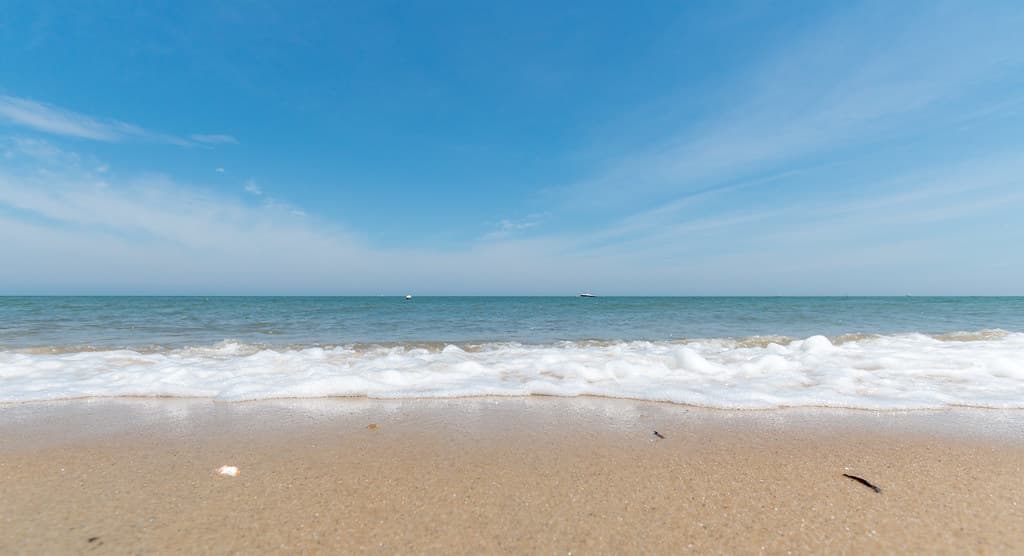
Dionis Beach unfurls along the island's northern edge where Eel Point Road dead-ends into a low-slung parking area framed by Rosa rugosa and beach plums. You'll step over the dunes and find yourself on a wide apron of sand that slopes so gradually into Nantucket Sound that children can wade out for what feels like forever before the water reaches their shoulders. The beach faces north, which means no Atlantic swell—just lazy ripples that lap at your ankles while you scan the horizon for the occasional sailboat tacking toward Coatue. The dunes here rise higher than at most Nantucket strands, their windward faces sculpted into smooth curves by prevailing southwest winds. You'll claim a spot in the lee of a dune on breezy days, spreading your towel where the sand holds warmth and the air goes still. Families arrive mid-morning with collapsible wagons and umbrellas, while couples stake out the eastern stretch near the bluff where erosion has exposed layers of peat—remnants of a freshwater marsh that thrived here four thousand years ago. By late afternoon the light turns honeyed, catching the spray of a lone boogie-boarder and illuminating the sand's fine quartz grains. The beach empties earlier than town-side strands, leaving you with the piping plovers and the scent of beach roses drifting down from the dunes. You'll shake out your towel and carry the afternoon's warmth all the way back to your bike.
Places, rentals, tours and events within walking and driving distance of Dionis Beach.
Photos
Dionis Beach is one of Nantucket's safest swimming beaches, making it excellent for families with children. The beach faces north into Nantucket Sound, which generally produces calmer, gentler waves compared to the island's south-facing Atlantic beaches. The shallow, gradually sloping shoreline allows kids to wade safely. Lifeguards are on duty during summer months. The beach's sheltered location means fewer riptides and undertows, though always supervise children and check daily conditions. The calm waters also make it ideal for paddleboarding and kayaking.
Dionis Beach is accessible year-round, but late June through early September offers the warmest weather and full amenities including lifeguards. Water temperatures peak in August at around 68-70°F. Summer brings the most services but also larger crowds. May, June, and September offer pleasant weather with fewer visitors—ideal for beachcombing and scenic walks. The beach is beautiful in off-season for solitary strolls, though facilities are limited and water is quite cold. Arrive early on summer weekends to secure parking, as the lot fills quickly by mid-morning.
Dionis Beach is located on Nantucket's north shore, about 3 miles from downtown. By car, take Madaket Road west, then turn right onto Eel Point Road to the beach entrance. A free parking lot accommodates approximately 100 cars but fills quickly in summer—arrive before 10am on peak days. Bikes are popular; there's a bike rack near the entrance. The beach is accessible via NRTA shuttle bus routes during summer months. The parking area is a short walk from the beach over dunes via a sandy path and boardwalk.
Dionis Beach has basic amenities including restrooms and outdoor showers during summer season. However, there are no food concessions, restaurants, or shops directly at the beach—pack all food, drinks, and supplies before arriving. The nearest dining and grocery options are back toward Nantucket town, about 3 miles away. Beach equipment rentals aren't available on-site. Most visitors bring coolers, umbrellas, and chairs. For accommodations, you'll need to stay in Nantucket town or other island locations, as there are no hotels or lodges immediately adjacent to Dionis Beach.
Dionis Beach is distinguished by its dramatic backdrop of rolling sand dunes covered in beach grass and wild rosa rugosa roses, creating one of Nantucket's most picturesque coastal settings. These protected dune systems can reach impressive heights and shift naturally with wind patterns. The dunes provide a stunning contrast against the blue waters of Nantucket Sound. Wooden boardwalks and paths protect the fragile dune ecosystem while providing access. The scenery is particularly beautiful during golden hour. Because of the dunes' ecological importance, visitors must stay on designated paths and avoid climbing or disturbing vegetation.