Counting the waves…
Counting the waves…
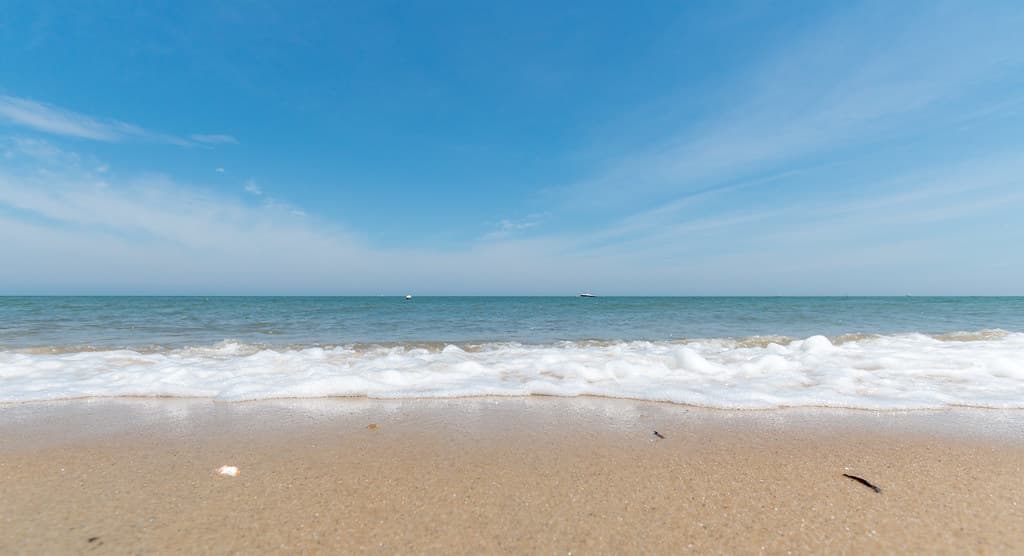
The parking lot empties you onto a broad apron of sand, edged by dunes stitched with rosa rugosa and poison ivy. Unlike the harbor-side beaches that define much of Nantucket's northern coast, Surfside faces open ocean with nothing between you and Portugal. The shoreline runs east-west here, catching southerly swells that march in from the Gulf Stream and peak over sandbars shaped by winter storms. You'll share the lineup with wetsuited regulars who paddle out in February as readily as July, their vans idling in the lot with boards strapped to roofs. The beach itself offers little shelter—no cliffs, no trees, just low dunes and a small refreshment shack that closes after Labor Day. Wind is constant, flattening beach umbrellas and sending sand skittering across towels. Families claim spots near the lifeguard stand in summer; surfers spread out along the break, reading the sets. The water stays cold even in August, hovering in the mid-sixties, a reminder that the Labrador Current runs closer here than it does on Cape Cod. Late afternoon light slants across the beach at an angle that turns the sand gold and casts long shadows from the few figures still in the water. By evening, you'll have sand in every crevice and salt in your hair—the price of an afternoon on Nantucket's rawest edge.
Places, rentals, tours and events within walking and driving distance of Surfside Beach.
Photos
Surfside Beach faces the open Atlantic, creating stronger currents and waves compared to Nantucket's north shore beaches. Lifeguards are on duty during summer months (typically late June through early September), making supervised swimming safer during peak season. The beach is known for consistent surf, which attracts wave riders but can challenge inexperienced swimmers. Rip currents occur periodically, so swim near lifeguard stands when possible. The sandy bottom slopes gradually, though wave action can create shifting sandbars. Always check daily beach conditions and flag warnings before entering the water.
Summer (June through August) offers the warmest weather, with temperatures in the 70s-80s°F and water temperatures reaching the low-to-mid 60s°F. This is peak season with lifeguards and full amenities, though expect crowds. Fall provides beautiful, less-crowded beach days with pleasant air temperatures, though cooler water. Spring and winter appeal to surfers seeking consistent swells and solitude, but require wetsuits. Weather on Nantucket can be unpredictable year-round due to ocean influence, with fog common in summer mornings. Wind is frequent, so bring windbreaks for comfortable beach lounging.
Surfside Beach is located on Nantucket's south shore, about 3 miles from downtown. Drive or bike via Surfside Road, which leads directly to the beach. A large paved parking lot accommodates hundreds of cars, with fees charged during summer season (typically $25 daily or seasonal stickers available). Free parking off-season. The NRTA (Nantucket Regional Transit Authority) runs seasonal shuttle buses from town to Surfside. Bike paths provide car-free access, with bike racks available at the beach. Arrive early on summer weekends as the lot fills quickly, especially during July and August.
Surfside Beach has a seasonal bathhouse with restrooms, outdoor showers, and changing facilities. The Surfside Beach Shack operates during summer months, offering casual food including sandwiches, hot dogs, ice cream, and beverages. No permanent restaurants exist directly on the beach. For more dining options and lodging, head to Nantucket town (3 miles away), which offers extensive accommodations from historic inns to vacation rentals and diverse restaurants. Pack your own food and plenty of water for shoulder season visits when facilities may be closed. Beach chairs and umbrellas are available for rent during summer.
Yes, Surfside Beach is Nantucket's most popular surf spot due to its south-facing orientation catching consistent Atlantic swells. The beach offers relatively reliable waves compared to other island locations, particularly during fall and winter nor'easters and hurricane swells. Wave quality varies with sandbars that shift seasonally. Summer typically brings smaller, gentler waves suitable for beginners, while autumn through spring delivers more powerful surf for experienced riders. No surf shops exist directly at the beach, so bring your own board or rent from town outfitters. Respect seasonal beach closures protecting shorebird nesting areas.