
Counting the waves…
Counting the waves…

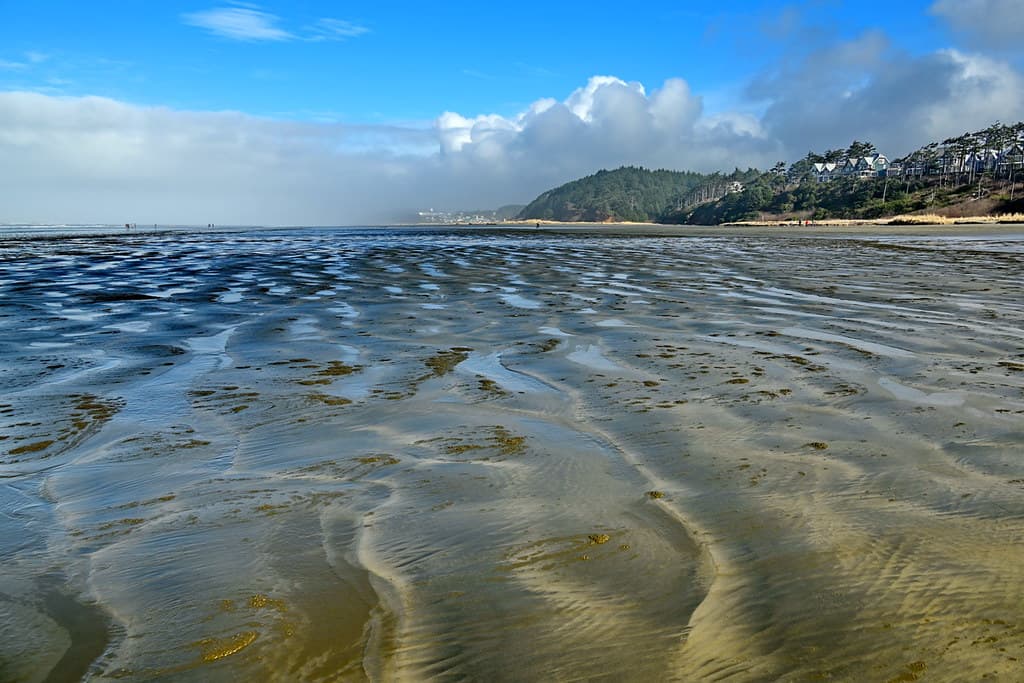
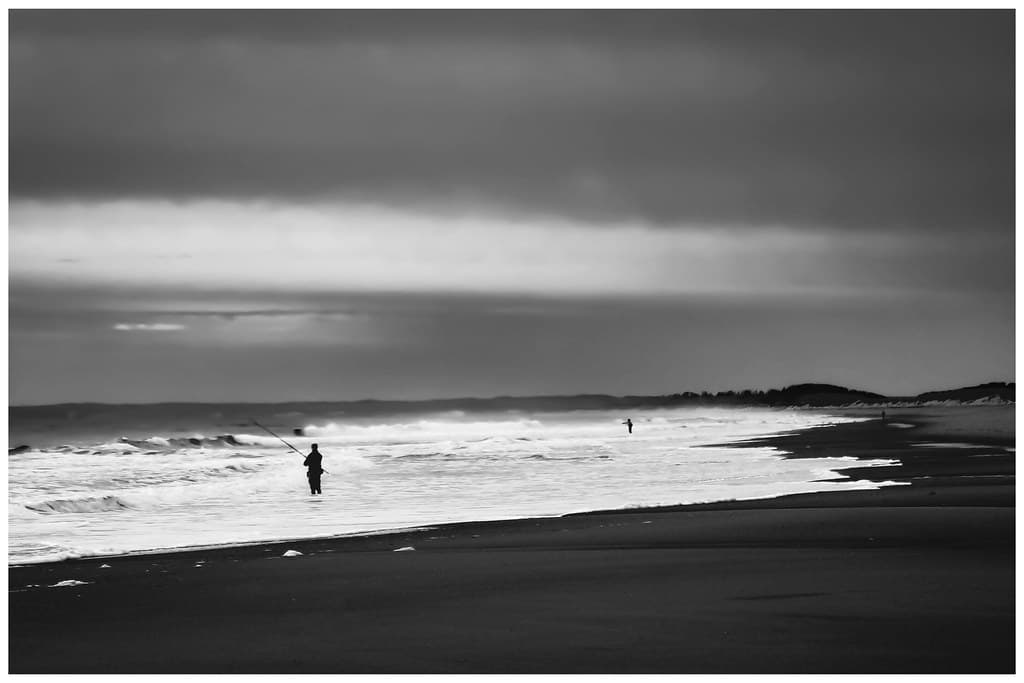
The drive across the single-lane Plum Island Turnpike takes you over tidal channels where egrets stalk minnows and cormorants sun themselves on wooden posts. Once you park at one of the numbered lots along Northern Boulevard, the boardwalks deposit you onto sand that shifts from fine gray to coarse tan depending on recent storms. The beach runs unbroken for miles, backed by dunes that shelter endangered shorebirds during nesting season—expect roped-off sections from April through August. Waves here are shaped by the Merrimack River mouth to the north, creating sandbars that shift with every nor'easter. Winter brings clean groundswell and empty line-ups; summer delivers beachgoers and softer reform waves. The southern end near Parking Lot 1 tends toward mellower conditions, while the northern stretches near the Refuge entrance pick up size and power. Seals appear in autumn, trailing bluefish runs that bring striped bass close to shore. The Parker River National Wildlife Refuge occupies the island's southern two-thirds, meaning no development beyond the beach grass. You'll walk past driftwood trunks worn smooth by tide, horseshoe crab shells, and rockweed left by the last high water. On foggy mornings, the lighthouse at Newburyport Harbor disappears entirely, leaving only the sound of bell buoys and the hiss of broken waves.
Places, rentals, tours and events within walking and driving distance of Plum Island Beach.
Photos
Plum Island Beach is generally safe for swimming during summer months when lifeguards are on duty at designated areas. However, strong currents, rip tides, and cold water temperatures can pose risks, especially during off-season. The Atlantic waters remain chilly even in summer. Always swim near lifeguard stations, check daily surf reports, and watch for warning flags. The beach is popular with surfers due to consistent waves, which can make conditions challenging for inexperienced swimmers. Avoid swimming alone and be particularly cautious during storm periods or high surf advisories.
Summer (June-August) offers warmest weather and water temperatures in the mid-60s°F, with lifeguards on duty and all facilities open. However, this is peak season with crowded beaches and parking challenges. Spring and fall provide excellent birdwatching opportunities at nearby Parker River National Wildlife Refuge, fewer crowds, and ideal conditions for beachcombing and surfing. Winter attracts hardy surfers and nature enthusiasts seeking solitude. For comfortable beach weather without summer crowds, visit June or September. Sunrise visits are spectacular year-round.
From Newburyport center, take Water Street east across the Plum Island Turnpike bridge (about 10 minutes). The beach has several parking lots along Ocean Avenue (Northern Boulevard). Arrive early in summer as lots fill by mid-morning on weekends; parking fees apply seasonally (typically $5-25 per day). Some areas offer free roadside parking but fill quickly. No public transportation serves the island directly. Biking from Newburyport is popular via the flat causeway. Parker River National Wildlife Refuge at the southern end has separate entrance fees and parking.
Plum Island has limited commercial development to preserve its natural character. You'll find a few casual restaurants and snack bars along the northern end, including seafood shacks and breakfast spots, mostly seasonal. The main beach areas have restrooms and outdoor showers. Bring your own food and beverages as options are limited, especially mid-island. For more dining choices, head back to downtown Newburyport (10 minutes) with numerous restaurants. Lodging options include vacation rentals and a few small inns on the island, plus hotels in Newburyport.
Plum Island offers consistent surf year-round, with the best waves typically occurring during fall and winter nor'easters and hurricane swells. Wave heights average 2-4 feet but can reach 6-8 feet during storms. The beach has several surf breaks, with the center and southern sections generally providing better conditions. Water temperatures require wetsuits most of the year (full suits in winter). Both longboarding and shortboarding are popular. Check surf forecasts before heading out, and be prepared for strong currents. The beach is less crowded than other New England surf spots.