Counting the waves…
Counting the waves…

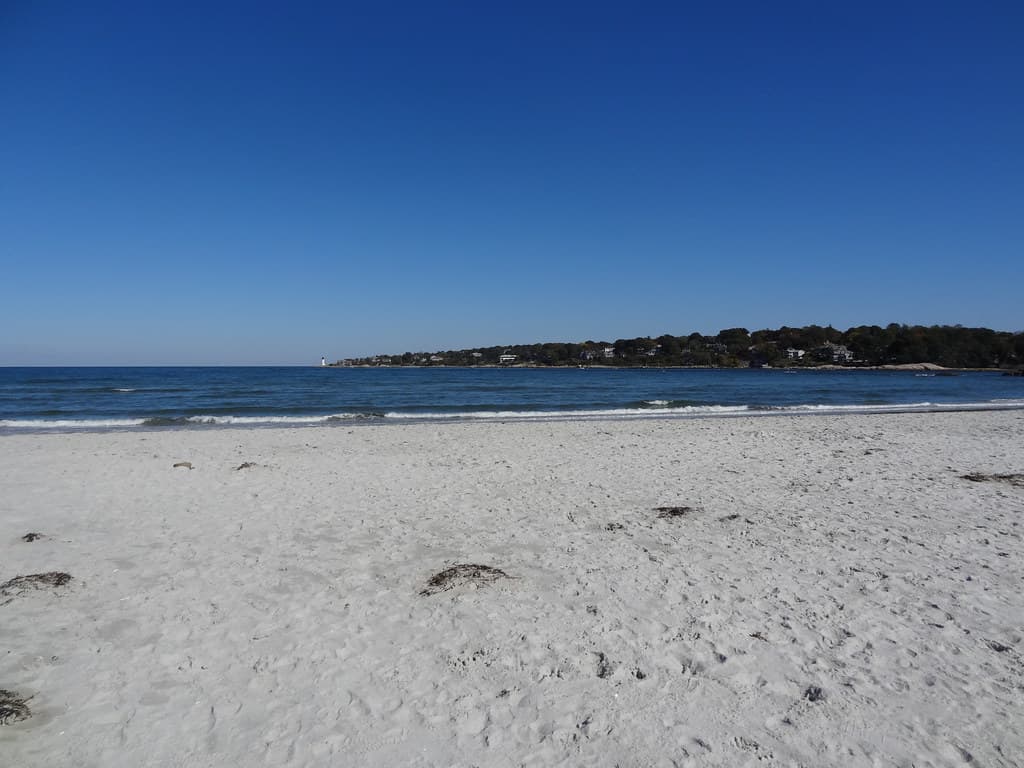
Back Beach curves along Rockport's Atlantic-facing shore, where granite ledges meet a coarse sand-and-pebble strand that crunches underfoot. The beach sits exposed to open ocean, so even on calm days you'll feel the push and pull of swells that travel unobstructed across Massachusetts Bay. Locals know to time their visits around low tide, when the receding water reveals pockets and crevices packed with green crabs, periwinkles, and the occasional sea star clinging to rust-colored rock. Snorkeling here rewards patience. The visibility shifts with the tide and weather, but on clear days you'll peer down at forests of kelp swaying over boulders, small cunner fish darting between crevices, and hermit crabs shuffling across the sandy bottom. Bring a wetsuit year-round—the water hovers in the fifties even in summer, and the Atlantic chill bites harder than you expect. The rocky entry demands neoprene booties and a careful shuffle to avoid slipping on algae-slick stones. The beach lacks lifeguards and concessions, so pack everything you need: water, snacks, a first-aid kit for barnacle scrapes. Parking fills quickly on summer weekends, but off-season you might have the entire crescent to yourself, with only the rhythmic crash of waves and the occasional lobster boat puttering past Straitsmouth Island on the horizon.
Places, rentals, tours and events within walking and driving distance of Back Beach.
Photos
Back Beach has rocky areas ideal for snorkeling but swimming conditions require caution. The beach features rocky outcrops and ledges where marine life congregates, making it popular for snorkeling during calm conditions. However, waves can be rough, currents strong, and the rocky bottom less forgiving than sandy beaches. Always check weather conditions before entering the water. Snorkeling is best during low tide and calm seas. Wear water shoes for foot protection and never snorkel alone. Lifeguards are not typically stationed here, so exercise good judgment.
For snorkeling, visit Back Beach during summer months (June through September) when water temperatures are warmest, typically 60-68°F, and visibility is best. Early morning on calm days offers the clearest water and most active marine life. Low tide exposes tide pools and creates better snorkeling conditions near the rocks. While the beach is accessible year-round and beautiful in all seasons, winter brings cold water temperatures and rougher seas unsuitable for snorkeling. Weekday mornings in summer avoid weekend crowds.
Back Beach is located off Beach Street in Rockport, about a 10-minute walk from downtown Rockport center. Limited street parking is available along Beach Street and nearby residential roads. Parking can be challenging during summer weekends, so arrive early. There's no dedicated parking lot for Back Beach specifically. Many visitors park in downtown Rockport's public lots and walk approximately 15-20 minutes to the beach. The walk follows scenic residential streets. Rockport has no public transportation, so driving is necessary.
Back Beach has minimal on-site amenities—no restrooms, concessions, or facilities. It's a natural, undeveloped beach. However, downtown Rockport is within walking distance, offering numerous restaurants, cafes, and shops, particularly along Bearskin Neck. Public restrooms are available in downtown Rockport. For lodging, Rockport has several inns, bed and breakfasts, and vacation rentals within a mile of Back Beach. Many accommodations are along the waterfront. Visitors should bring their own water, snacks, and beach supplies.
Back Beach's rocky underwater environment attracts diverse marine life typical of New England waters. Snorkelers commonly spot crabs, sea stars, small fish like cunner and sculpins, and occasionally lobsters hiding in rock crevices. The tide pools and rocky ledges support sea anemones, mussels, and various seaweeds. During summer, you might see small schools of minnows and other baitfish. Water visibility varies with conditions, but the rocky habitat makes it more interesting than typical sandy beaches for observing coastal marine ecosystems.