Counting the waves…
Counting the waves…

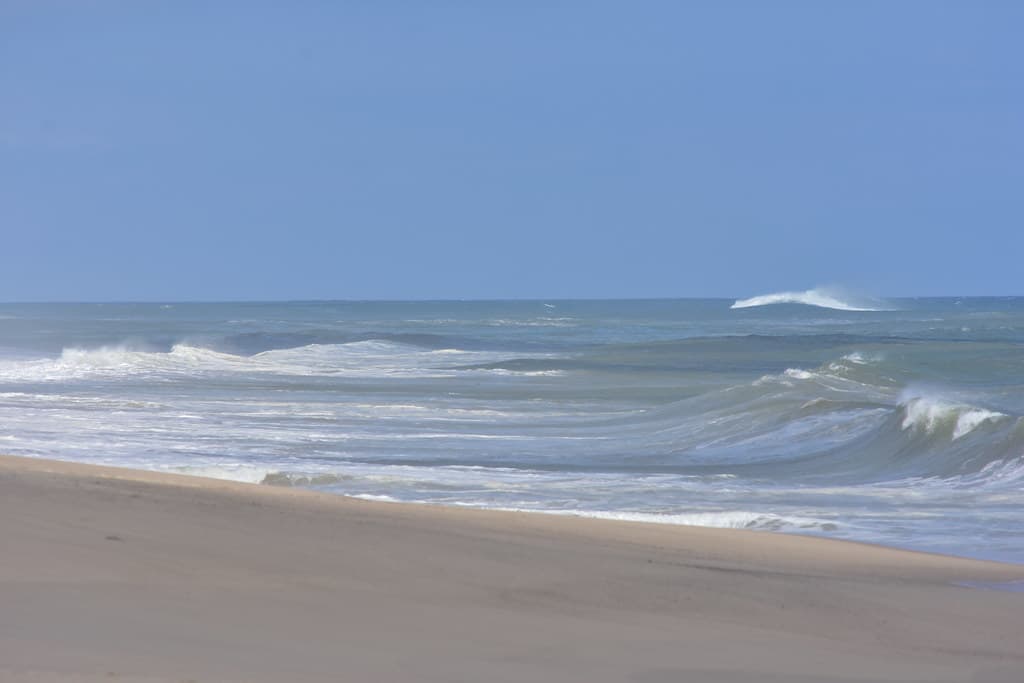
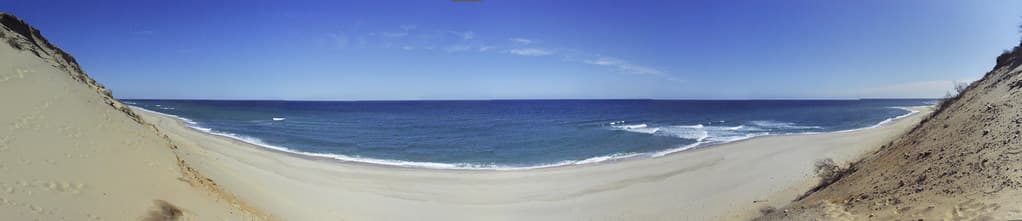
The wooden staircase drops you onto a beach that feels like a kept secret, even in high summer. Longnook stretches beneath ochre and sienna bluffs that rise nearly a hundred feet, their striated faces revealing centuries of glacial deposit. The sand here is coarser than the bay side, studded with small shells and the occasional smoothed brick fragment from shipwrecks long forgotten. Waves roll in with a steady, purposeful rhythm, their white foam tracing temporary borders before retreating. The beach curves gently northward, disappearing into haze where the National Seashore continues its unbroken run toward Provincetown. Mid-morning, you might spot harbor seals bobbing beyond the breakers, their dark heads appearing and vanishing like punctuation marks on the horizon. The bluffs shelter the strand from westerly winds, creating a microclimate where the air feels a few degrees warmer and the sand holds the sun's heat well into evening. At low tide, the beach widens to reveal tidal pools in the rocky outcrops, and you can walk for half an hour without retracing your steps. There are no vendors, no umbrellas for rent—just the Atlantic, the cliffs, and whoever else made the descent.
Places, rentals, tours and events within walking and driving distance of Longnook Beach.
Photos
Swimming at Longnook Beach requires caution due to strong currents, steep drop-offs, and occasional rip tides common along Cape Cod's Atlantic-facing beaches. Lifeguards are on duty during summer months (typically late June through early September), and swimming is safest during these supervised hours. The beach experiences powerful waves that attract surfers but can be challenging for inexperienced swimmers. Always check daily conditions, swim near lifeguard stations when available, and be aware that water temperatures remain cold even in summer, typically ranging from the mid-50s to mid-60s Fahrenheit.
Summer (June through August) offers the warmest weather and staffed lifeguards, making it ideal for swimming and sunbathing, though parking requires a beach sticker. Shoulder seasons of late spring and early fall provide fewer crowds, pleasant temperatures for walking, and easier parking access. Fall brings spectacular sunsets and migrating seabirds. Winter attracts solitude-seekers and storm-watchers, though facilities are closed and conditions can be harsh. For the best combination of good weather and manageable crowds, visit in June or September. Arrive early during summer weekends as the small parking lot fills quickly.
Longnook Beach is located off Route 6 in Truro. Take the Longnook Road exit and follow signs to the beach parking area. The parking lot is small with limited spaces and requires a Truro beach sticker from late June through early September. Non-residents can purchase daily, weekly, or seasonal parking permits at the Truro Beach Office on Route 6. Off-season (after Labor Day through late June), parking is generally free and unrestricted. The beach requires walking down a moderately steep stairway from the parking area to reach the sand, so plan accordingly with beach gear.
Longnook Beach has minimal amenities—portable restrooms during summer months and no food concessions, so bring everything you need including water, snacks, and meals. The nearest restaurants and shops are approximately 10-15 minutes away along Route 6 in Truro and North Truro, including casual cafes, seafood spots, and grocery stores. For lodging, Truro offers vacation rentals, small inns, and nearby campgrounds. Neighboring Provincetown (20 minutes north) and Wellfleet (15 minutes south) provide more extensive dining and accommodation options. Pack out all trash as there are limited receptacles.
Longnook Beach is renowned for its dramatic natural beauty, featuring towering clay cliffs, pristine dunes, and relatively undeveloped surroundings that showcase Cape Cod's wild Atlantic coastline. The beach's remote feel and spectacular cliff backdrop create stunning photo opportunities, particularly during golden hour. Its location on the Cape Cod National Seashore helps preserve its unspoiled character with minimal commercial development visible from the shore. The expansive views of open ocean, crashing waves, and eroding glacial formations attract photographers, nature lovers, and those seeking a more secluded beach experience compared to Cape Cod's more developed shores.