Counting the waves…
Counting the waves…

The staircase groans beneath your feet as you make your way down the bluff, salt wind pushing at your back. Below, Marconi Beach unfolds in a wide crescent of beige sand flanked by clay cliffs that tower sixty feet above the waterline. These bluffs glow amber in late afternoon light, their eroded faces revealing bands of sediment deposited when glaciers retreated from Cape Cod ten thousand years ago. The Atlantic here is untamed—no jetties or breakwaters soften its approach. Waves arrive in sets that rearrange the beach geometry weekly, carving steep drop-offs one month and gentle slopes the next. In summer, families stake out territory near the lifeguard stand while surfers paddle out beyond the break. Come September, you might share the entire beach with a handful of beachcombers and the shorebirds reclaiming their nesting grounds. Above the beach, where Guglielmo Marconi erected his wireless station in 1901, interpretive plaques mark the spot where three dots sailed across the Atlantic to Cornwall. The station is long gone—a victim of the very cliff erosion you witness below—but the beach still hums with a certain historic resonance, a reminder that this remote spit of sand once connected continents.
Places, rentals, tours and events within walking and driving distance of Marconi Beach.
Photos
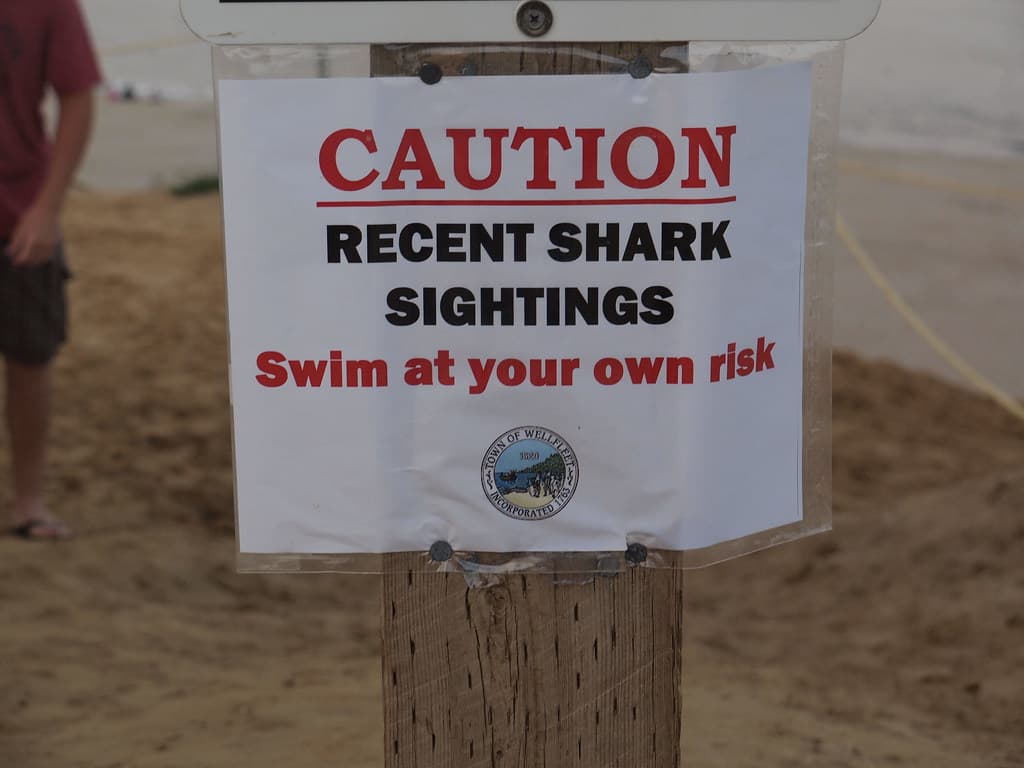
Swimming at Marconi Beach requires caution due to strong currents, steep drop-offs, and powerful surf typical of Cape Cod's Atlantic-facing beaches. The beach is guarded by lifeguards during summer months (late June through early September), and swimming is safest during these supervised hours. Always check warning flags before entering the water. Rip currents are common, so swim parallel to shore if caught in one. The steep beach slope means water depth increases quickly. Cold water temperatures, even in summer, can be challenging for some swimmers.
Summer (June through August) offers warmest weather and full amenities, with water temperatures reaching the low 60s Fahrenheit, though crowds peak during this period. Fall brings spectacular sunrises, fewer visitors, and comfortable temperatures ideal for beachcombing and walking. Spring and winter offer dramatic ocean scenery and solitude, perfect for storm watching and photography, though swimming isn't advisable. Sunset views are stunning year-round. The beach is accessible all year, but lifeguards and facilities operate only during summer season.
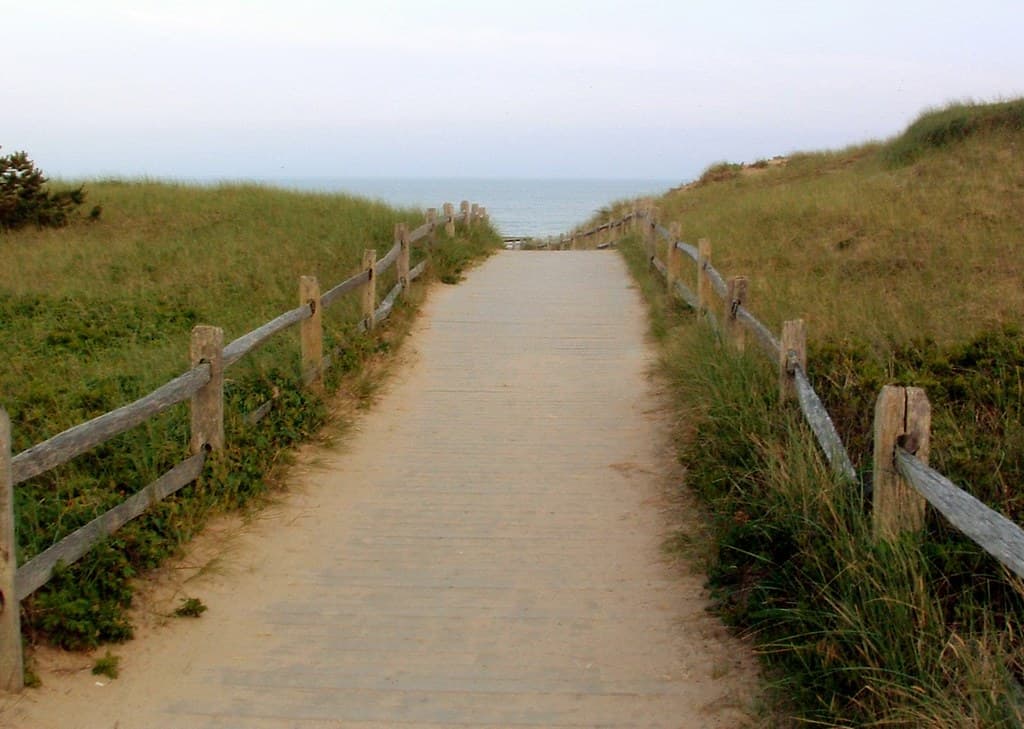
Marconi Beach is located off Route 6 in Wellfleet, accessible via Marconi Beach Road. The National Seashore parking lot accommodates several hundred vehicles and is well-marked from the highway. Parking fees apply during summer season (late June to early September), with daily passes available or you can use an America the Beautiful annual pass. Parking is free off-season. The lot can fill on peak summer days, so arrive early. A short path leads from the parking area to the beach overlook and stairway down to the sand.
Marconi Beach has restroom facilities and outdoor showers at the parking area. During summer, there's a small bathhouse, but no food concessions or restaurants directly at the beach. Visitors should bring their own food and water. The nearest dining and shops are in Wellfleet center, about 10 minutes away, offering seafood restaurants, markets, and cafes. Nearby accommodations range from motels to vacation rentals in Wellfleet and neighboring towns. South Wellfleet, just a few miles north, has convenience stores and casual eateries.
Marconi Beach is named after Guglielmo Marconi, who built the first transatlantic wireless communication station nearby in 1901-1902. From this Cape Cod site, Marconi sent the first wireless message across the Atlantic to England in 1903. The original station was dismantled in 1920, and ocean erosion has claimed the site, but the Marconi Station Site area adjacent to the beach features interpretive displays and markers. You can walk the short trail from the parking lot to learn about this groundbreaking communications achievement.