Counting the waves…
Counting the waves…
A refined fusion of water purity, environmental stability, and communal vibrancy for Bryant Park Beach.
View MethodologyAnalyzed via live sensors and environmental data.
Wave height, wind, and atmospheric stability.
Live footfall and crowd balance metrics.
Community reviews and curated sentiment.
“You'll kick off your sandals on fine beige sand while sailboats tack across Grand Traverse Bay's cobalt expanse. The grass amphitheater hums with Friday-night jazz, and the scent of grilled whitefish drifts from Front…”
Limited recent visitor reports — live OBI telemetry is your best guide for current conditions.
Bryant Park Beach drops you onto 300 feet of public shoreline wedged between downtown storefronts and the turquoise shallows of West Grand Traverse Bay. Families stake out beach blankets under the shade of maples that fringe the lawn, while toddlers wade into water so gentle it barely stirs the sand. Lifeguards watch over swimmers from Memorial Day through Labor Day, and the gradual slope means you can walk thirty yards out before the bay reaches your chest.
The half-acre park doubles as an outdoor concert venue—metal chairs and picnic blankets fill the sloping lawn most summer evenings, and the Open Space hosts art fairs, yoga classes, and farmers' market pop-ups. A paved path links you to the Clinch Park boardwalk a quarter-mile south, where paddleboard rentals and a maritime museum extend the waterfront experience.
 Credit: Unsplash
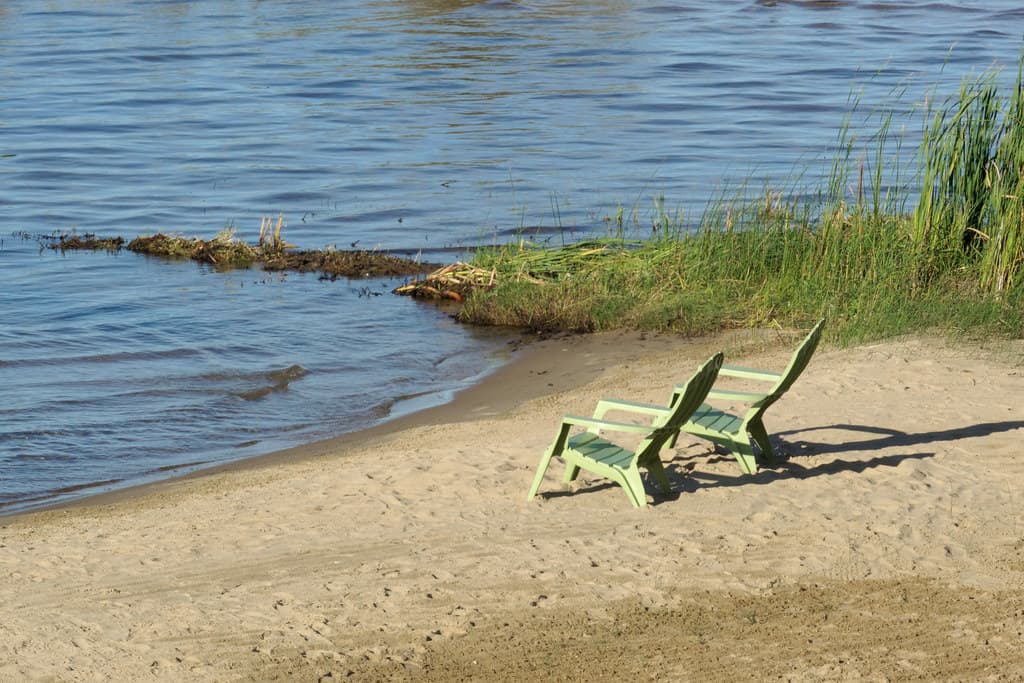
brown grass field near body of water during daytime
 Credit: Unsplash
a log on a beach
Gentle bay, lifeguards on duty
Friday jazz on the amphitheater
Launch from neighboring Clinch Park
Where it is
Bryant Park Beach
Traverse City, Michigan, USA
44.754900°, -85.605600°
Weather
Loading…
Swell
—
Temp
Warm · Restorative
UV Index
Moderate
Wind
—
Tidal State
Last known
Max Sunlight
—
Ideal Shade
—
May - Sep (Peak)
Jan - Dec (Off-season)
Historical data suggests peak visibility and stable sea temperatures occur during the prime visitation window.
Select a category to load nearby places.
Unlock restaurants, luxury stays and curated maritime experiences within 2km
Bryant Park Beach is generally safe for swimming during summer months when lifeguards are on duty. The beach sits on West Grand Traverse Bay, offering calmer waters than Lake Michigan beaches. Water temperatures peak in July and August, reaching the mid-60s to low-70s Fahrenheit. Always check posted swim advisories, as bacteria levels occasionally prompt temporary closures after heavy rains. The sandy, gradually sloping bottom makes it family-friendly for wading. Avoid swimming when red flags are posted or lifeguards are off-duty.
The prime season for Bryant Park Beach runs June through August, with warmest weather and staffed amenities. July and August offer peak water temperatures and full services. However, visiting during late May or September provides fewer crowds while still enjoying pleasant weather for beachcombing and sunset viewing. Winter visits are possible for walks and photography, though facilities are closed. Sunsets are spectacular year-round. Weekdays in summer are less crowded than weekends. Arrive before 11am on summer weekends to secure parking and prime beach spots.
Bryant Park Beach is located at 100 E. Grandview Parkway in downtown Traverse City, making it easily walkable from the city center. Street parking is available along Grandview Parkway and surrounding residential streets, though it fills quickly on summer days. Additional parking exists at nearby Hull Park. The beach is about 1.5 miles from downtown shops and restaurants—an easy walk or bike ride on the TART Trail. No parking fees apply. Consider biking or walking to avoid parking challenges during peak season.
Bryant Park Beach features restrooms, picnic areas, grills, and a playground. No food concessions exist on-site, but downtown Traverse City is within walking distance, offering numerous restaurants, cafes, and ice cream shops. Grocery stores are nearby for picnic supplies. Lodging options abound downtown, from historic bed-and-breakfasts to chain hotels, most within two miles. The nearby Park Place Hotel and Traverse City Tourism office can help with accommodations. Many visitors combine beach time with exploring Front Street's shops and eateries.
Bryant Park Beach is Traverse City's most urban beach, offering convenience and downtown proximity unlike more remote options like Clinch Park Beach or East Bay beaches. It's quieter and less commercial than Clinch Park, with more local flavor and fewer tourists. The beach is smaller but less crowded, making it popular with residents. It offers excellent sunset views over West Bay and easy access to the TART Trail for biking. Families appreciate the playground and calm waters, while its neighborhood setting provides a more relaxed atmosphere.
Photos