Counting the waves…
Counting the waves…

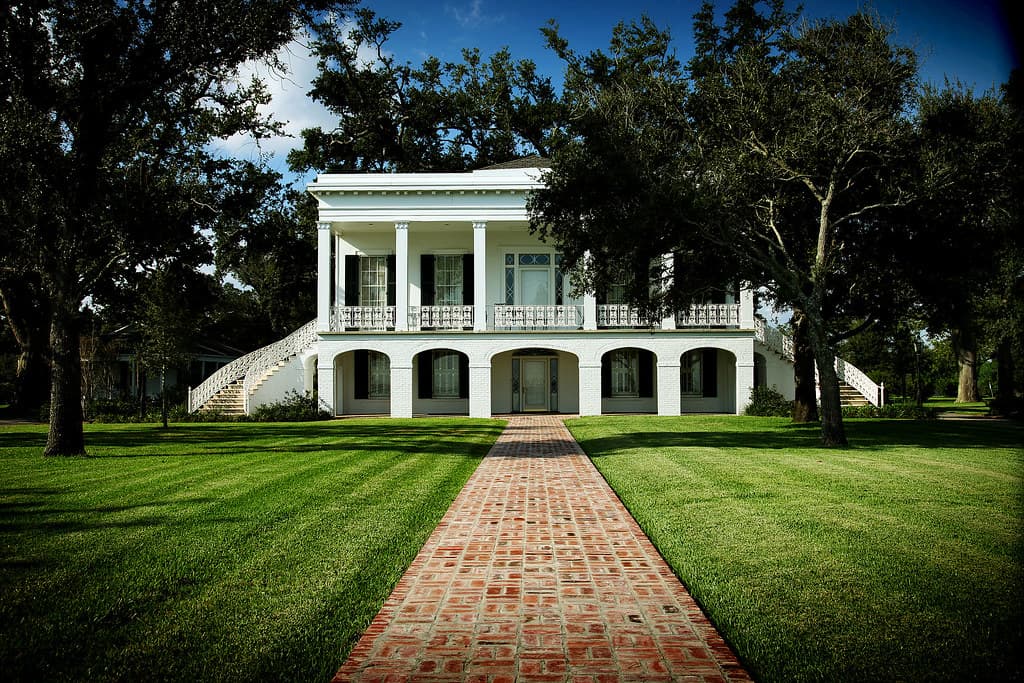
Pass Christian Beach stretches along Highway 90, where live oak sentinels—some more than 500 years old—cast dappled shade onto picnic tables and family blankets. The sand feels firm and tan beneath your toes, not the powdery white of Florida but something earthier, more forgiving on bare feet. Children wade into knee-deep water that stays shallow for what feels like a city block, and the Gulf's gentle slope makes this shoreline ideal for toddlers testing their sea legs while parents watch from folding chairs positioned in oak shade. The town rebuilt after Katrina with quiet determination, and you'll notice it in the way the seawall now protects the beachfront homes—gracious structures with wraparound porches and widow's walks. On weekday mornings, retirees walk the beach before the heat sets in, collecting sand dollars and waving to the shrimp boats heading out. By afternoon, the pavilions fill with coolers and the sharp pop of beer cans opening, the sizzle of burgers on portable grills. This is a working beach, not a resort. You won't find jet ski rentals or parasailing operations—just miles of uninterrupted shoreline where families claim their same spots year after year, where the rhythm is dictated by tide tables rather than entertainment schedules, and where the live oaks have witnessed more Gulf Coast summers than any chamber of commerce brochure could count.
Places, rentals, tours and events within walking and driving distance of Pass Christian Beach.
Photos
Pass Christian Beach is generally calm and family-friendly, making it suitable for children. The water is shallow near shore with gentle waves typical of the Mississippi Sound. However, always supervise children closely as there are no lifeguards on duty. Water clarity can vary depending on weather and tides. Check local conditions before swimming, especially after storms when debris may be present. The beach has a gradual slope, allowing kids to wade safely in shallow areas. Jellyfish occasionally appear during warmer months, so be aware of seasonal conditions.
Pass Christian Beach is accessible year-round, but the most popular time is late spring through early fall (April-October) when temperatures range from 75-90°F. Summer months (June-August) offer the warmest water but can be humid and crowded. Spring and fall provide pleasant weather with fewer visitors. Winter remains mild (50s-60s°F) and perfect for beachcombing and walking, though swimming is less comfortable. Hurricane season runs June through November, so monitor weather forecasts. Early mornings and late afternoons offer the best light and cooler temperatures during summer.
Pass Christian Beach offers free public parking along Scenic Drive (Beach Boulevard/Highway 90), which runs parallel to the beach. Street parking is available on both sides of the road in most areas, with numerous pull-off spots. Popular access points include the Pass Christian Harbor area and various beach access locations along the 6-mile coastline. Parking is generally plentiful except during peak summer weekends and special events. The beach is easily accessible from Interstate 10; take Exit 24 and head south toward the Gulf. No parking fees are required at public beach areas.
Pass Christian's historic downtown, just blocks from the beach, features local seafood restaurants, cafes, and casual dining options along Scenic Drive and Davis Avenue. Popular spots include casual beach bars and Gulf Coast seafood establishments. For lodging, the area offers vacation rentals, beach cottages, and bed-and-breakfasts rather than large hotels. Nearby Gulfport and Biloxi (10-15 minutes east) provide more extensive hotel chains, casino resorts, and dining variety. Local grocery stores and convenience shops are available in town for beach picnic supplies and essentials.
Pass Christian Beach is part of the 26-mile stretch often called the "Longest Man-Made Beach in the World," running along Mississippi's Gulf Coast from Biloxi to Henderson Point. After Hurricane Camille in 1969, the beach was artificially created and maintained with imported sand. The scenic beachfront along Highway 90 features a seawall, walking paths, and live oak trees. While debate exists about the "longest" title, it's undeniably an impressive engineered coastline. The beach was significantly restored after Hurricane Katrina in 2005, continuing Mississippi's tradition of beach maintenance and coastal development.