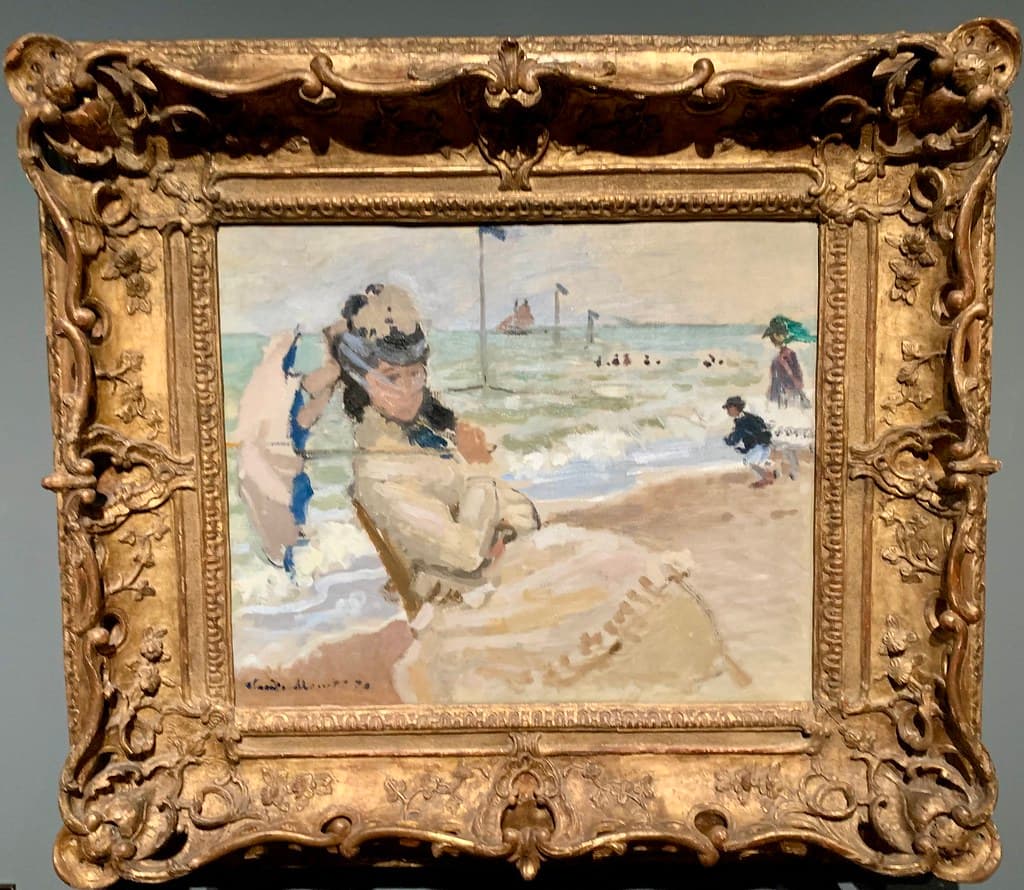
Counting the waves…
Counting the waves…

This narrow crescent hugs a rocky headland on New Hampshire's eighteen-mile coast, where the homes still feel like actual residences instead of investment properties. The beach itself is more stone than sand—smooth, fist-sized rocks that shift and clatter with each retreating wave. At low tide, the exposed ledges reveal barnacle colonies and green crabs scuttling between crevices, while shallow depressions collect seawater warm enough to numb the sting of the open Atlantic. You'll walk here in the shoulder seasons when fog rolls in thick off the Gulf of Maine, muffling the occasional dog walker and the distant buoy bells. The rocky shore doesn't invite the umbrella-and-cooler crowds that pack Hampton Beach three miles south. Instead, you get tide-watchers and locals who know exactly when the rocks will be dry enough to spread a towel. Park along Ocean Boulevard where the road curves past shingled cottages with names like "Driftaway" painted on driftwood signs. The water stays cold year-round—mid-sixties at its August peak—but that's precisely why the shoreline remains quiet. Wear water shoes. Bring a thermos. Stay as long as the tide allows.
Places, rentals, tours and events within walking and driving distance of Little Boars Head Beach.
Photos
Little Boars Head Beach is a rocky coastline rather than a traditional sandy swimming beach. The area features tidal pools, exposed ledges, and uneven rocky terrain that make swimming challenging and potentially hazardous. Strong currents and submerged rocks are common. Most visitors come for scenic walks, tide pooling, and photography rather than swimming. If you're looking for safer swimming conditions, nearby Hampton Beach or North Beach offer sandy shores with lifeguards during summer months. Always check tide schedules and exercise extreme caution near the water.
Little Boars Head Beach offers year-round appeal, with each season providing different experiences. Summer brings warm weather ideal for tide pooling and coastal walks, though it's also the busiest period. Fall and spring offer quieter visits with pleasant temperatures and excellent opportunities for birdwatching and photography. Winter can be dramatic, with powerful waves and storms creating spectacular ocean views, but dress warmly. Low tide is the best time for exploring tide pools regardless of season. Early morning and sunset provide the most stunning light for photography.
Parking at Little Boars Head Beach is extremely limited and primarily residential. There is minimal public parking along Ocean Boulevard (Route 1A), and most spots are restricted to residents with permits, especially during summer. Street parking may be available on nearby side streets, but always observe posted signs carefully to avoid tickets. The limited access is partly why this beach remains relatively hidden and uncrowded. Visitors should arrive early during peak season or consider visiting in off-peak times for better parking availability.
Little Boars Head is a quiet residential area with limited immediate amenities. The nearby town of Rye Harbor, about two miles south, offers seafood restaurants and casual dining options. North Hampton center, roughly two miles inland, has additional restaurants and small shops. For more extensive dining and lodging options, Hampton Beach is approximately four miles north with numerous hotels, motels, and restaurants. Several bed-and-breakfasts operate in the North Hampton and Rye areas. There are no facilities, restrooms, or food vendors directly at Little Boars Head Beach itself.
Unlike New Hampshire's popular sandy beaches, Little Boars Head is a dramatic rocky coastline featuring exposed granite ledges, tide pools teeming with marine life, and rugged natural beauty. The beach offers a more secluded, contemplative experience compared to bustling Hampton Beach nearby. It's particularly popular with photographers, nature enthusiasts, and those seeking quiet coastal walks. The rocky formations create excellent opportunities for exploring marine ecosystems at low tide, including crabs, sea stars, and various seaweeds. Its hidden, residential location keeps crowds minimal even during peak summer months.