Counting the waves…
Counting the waves…
A refined fusion of water purity, environmental stability, and communal vibrancy for Brigantine Inlet Beach.
View MethodologyAnalyzed via live sensors and environmental data.
Wave height, wind, and atmospheric stability.
Live footfall and crowd balance metrics.
Community reviews and curated sentiment.
“You'll find Brigantine Inlet Beach at the northern tip of the island, where the inlet meets the ocean in a swirl of currents and seabirds wheel above the rock jetties. Salt air mixes with marsh grass, and the skyline of…”
Limited recent visitor reports — live OBI telemetry is your best guide for current conditions.
The beach curves around the island's northernmost point, where Absecon Inlet carves a restless channel between Brigantine and Atlantic City. You'll walk on sand that changes texture hourly—firm and dark near the waterline at low tide, soft and bone-white higher up where beach grass takes root in the dunes. The jetty stretches into the inlet like a stone finger, barnacle-encrusted and slick with spray, a favorite perch for cormorants drying their outstretched wings.
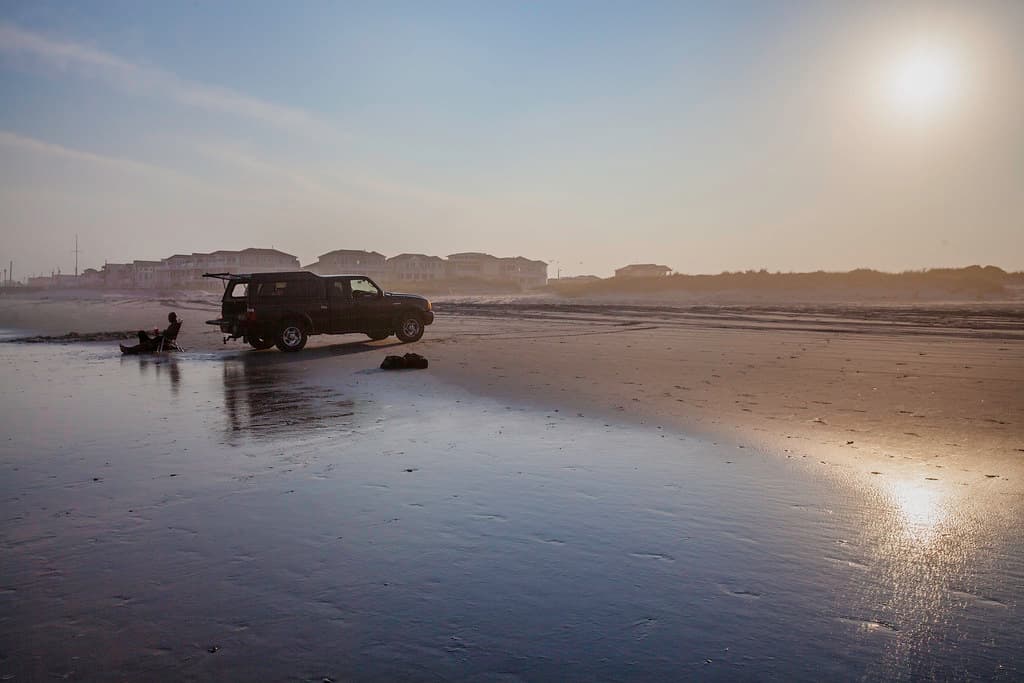
This is a working beach. Surf fishermen stake their rods in PVC holders at dawn, targeting striped bass in the churning inlet current. Beachcombers pocket sea glass smoothed by the Atlantic's tumbler, their finds ranging from frosted white to rare cobalt blue. The wind here is constant, carrying the brine-and-diesel scent of the nearby inlet and the distant calliope music from Steel Pier when the breeze shifts south.
 Credit: Unsplash
A flock of birds flying over a wave in the ocean
 Credit: Unsplash
the sun is setting over the water at the beach
Jetty creates variable autumn swells
Sunrise frames Atlantic City skyline
Local catches at harbor eateries
Where it is
Brigantine Inlet Beach
Brigantine, New Jersey, USA
39.421100°, -74.357600°
Weather
Loading…
Swell
—
Temp
Warm · Restorative
UV Index
Moderate
Wind
—
Tidal State
Last known
Max Sunlight
—
Ideal Shade
—
May - Sep (Peak)
Jan - Dec (Off-season)
Historical data suggests peak visibility and stable sea temperatures occur during the prime visitation window.
Select a category to load nearby places.
Unlock restaurants, luxury stays and curated maritime experiences within 2km
Swimming conditions at Brigantine Inlet Beach can be challenging due to strong currents and shifting sandbars near the inlet. The inlet area experiences swift water movement, especially during tidal changes, making it more suitable for experienced swimmers. Lifeguards are not always present, particularly in off-season months. Families with children should exercise caution and stay in shallower waters away from the inlet channel. The beach is better known for fishing, walking, and beachcombing than swimming. Always check local conditions and tide schedules before entering the water.
Brigantine Inlet Beach offers year-round appeal with distinct seasonal advantages. Summer (June-August) provides warm weather and calm seas, though it's busier. Spring and fall offer mild temperatures, fewer crowds, and excellent conditions for beachcombing and birdwatching, as migratory birds pass through the inlet area. Winter attracts solitude-seekers and storm watchers, though it's windy and cold. Early mornings throughout the year provide the most serene experience and best opportunities for wildlife observation. The shoulder seasons of May and September typically offer the best balance of pleasant weather and uncrowded beaches.
Brigantine Inlet Beach is located at the northern end of Brigantine Island. From Atlantic City, cross the Brigantine Bridge and follow Brigantine Boulevard north. Street parking is available along side streets near the inlet, though spaces can be limited during peak season. Some visitors park near the end of Brigantine Boulevard where it curves. There are no dedicated parking lots at the inlet itself. The beach is accessible on foot from nearby residential areas. Parking is generally free, but observe posted signs for any restrictions or residential permit requirements.
Brigantine Inlet Beach has minimal on-site amenities—no restrooms, showers, or concessions at the beach itself. You'll need to drive into Brigantine's main commercial area along Brigantine Avenue for restaurants, cafes, and shops, typically 1-2 miles south. Several casual dining options and small markets are available in town. Accommodations range from vacation rentals to small motels throughout Brigantine. For more extensive hotel options, Atlantic City is just across the bridge, about 10 minutes away. Plan ahead by bringing water, snacks, and using facilities before arriving at the beach.
Brigantine Inlet Beach stands out for its undeveloped, natural character and scenic inlet views. Unlike the bustling boardwalk beaches nearby, this hidden spot offers peaceful solitude with dramatic views where the inlet meets the ocean. It's a prime location for fishing, particularly surf fishing and watching boats navigate the channel. The area attracts birdwatchers due to its position along migration routes and proximity to the Edwin B. Forsythe National Wildlife Refuge. The beach's wild, unspoiled atmosphere and stunning inlet scenery provide a stark contrast to Atlantic City's developed shoreline just minutes away.
Photos