Counting the waves…
Counting the waves…
A refined fusion of water purity, environmental stability, and communal vibrancy for Plum Island Beach (Sandy Hook).
View MethodologyAnalyzed via live sensors and environmental data.
Wave height, wind, and atmospheric stability.
Live footfall and crowd balance metrics.
Community reviews and curated sentiment.
“You'll reach Plum Island Beach through Sandy Hook's maritime forest, past the oldest working lighthouse in America, to find a narrow ribbon of sand where horseshoe crabs outnumber sunbathers. The rumble of container…”
Limited recent visitor reports — live OBI telemetry is your best guide for current conditions.
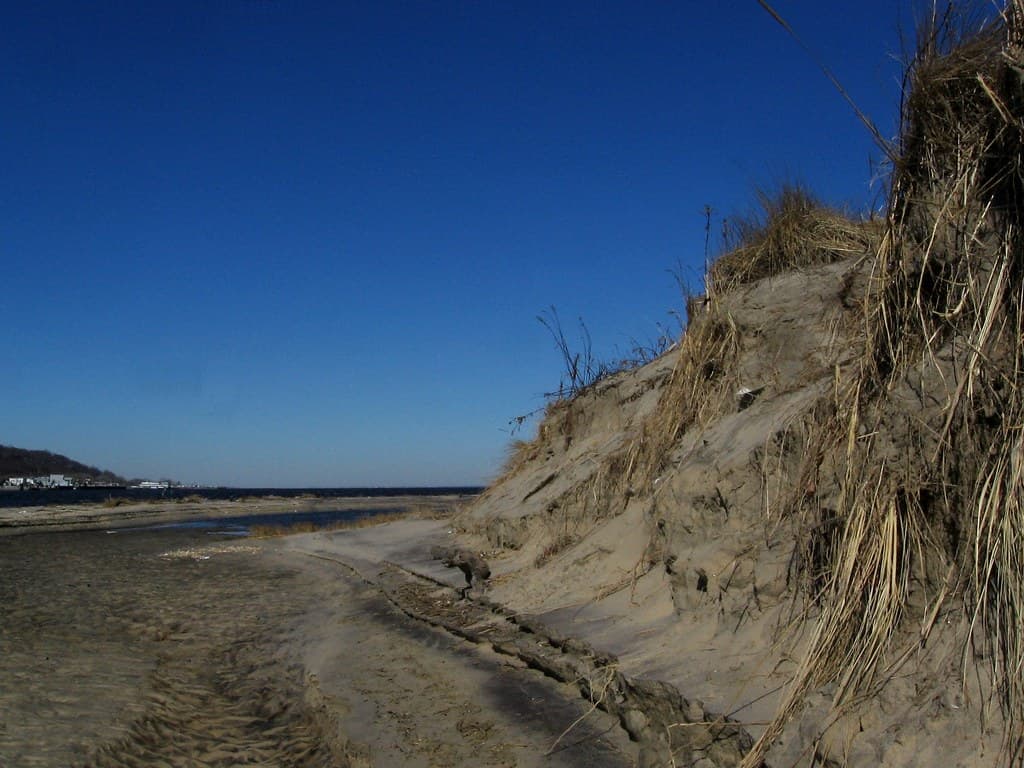
The beach begins where the paved road ends, beyond the abandoned batteries and bunkers that dot Sandy Hook like relics from another century. You'll walk across warm sand mixed with crushed mussel shells, the shoreline bending sharply where the barrier spit hooks westward into Raritan Bay. Waves here roll in with deliberate patience, their rhythm slowed by the sheltered geography of this seven-mile peninsula.
Tide pools form in the depressions between sandbars, trapping minnows and green crabs until the next high water. Beach plums—stunted and gnarled by constant wind—cling to the dunes behind you, their fruit swelling purple each August. Ospreys hover overhead, wings locked against updrafts, scanning the shallows for weakfish and striped bass. The water temperature climbs into the low seventies by July, unusually warm for this stretch of the Jersey Shore.
 Credit: Unsplash
A flock of birds flying over a wave in the ocean
 Credit: Unsplash
the sun is setting over the water at the beach
Crumbling military architecture meets shore
Holly forests and maritime scrub
Calmer water near Horseshoe Cove
Where it is
Plum Island Beach (Sandy Hook)
Highlands, New Jersey, USA
40.444600°, -74.010900°
Weather
Loading…
Swell
—
Temp
Warm · Restorative
UV Index
Moderate
Wind
—
Tidal State
Last known
Max Sunlight
—
Ideal Shade
—
May - Sep (Peak)
Jan - Dec (Off-season)
Historical data suggests peak visibility and stable sea temperatures occur during the prime visitation window.
Select a category to load nearby places.
Unlock restaurants, luxury stays and curated maritime experiences within 2km
Swimming conditions at Plum Island Beach vary by season and weather. Lifeguards are typically on duty during summer months (late May through early September), making supervised swimming safer. The beach faces the Atlantic Ocean, so currents and waves can be unpredictable. Always check daily beach conditions and flag warnings before entering the water. Rip currents are possible, especially after storms. Swimming is generally not recommended when lifeguards are off duty. The National Park Service posts current conditions at park entrances and online.
Sandy Hook is accessible year-round, with each season offering different experiences. Summer (June-August) provides warm weather and full amenities but larger crowds. Spring and fall offer pleasant temperatures, fewer visitors, and excellent bird-watching opportunities along the migration route. Winter brings solitude and dramatic coastal scenery, though facilities are limited and weather can be harsh. Weekdays are less crowded than weekends throughout the year. Note that parking fees apply from Memorial Day through Labor Day.
Plum Island Beach is located within Gateway National Recreation Area at Sandy Hook. From the Garden State Parkway, take exit 117 and follow Route 36 east to the park entrance. There's ample parking in designated lots throughout Sandy Hook, though they fill quickly on summer weekends. Parking fees apply seasonally (typically $20 per vehicle Memorial Day-Labor Day). Annual National Parks passes are accepted. The beach is accessible by car only; arrive early during peak season as lots close when full.
During summer, Sandy Hook offers concession stands at several beach areas selling snacks, drinks, and beach supplies. However, options are limited, so bringing your own food and water is recommended. Restrooms and outdoor showers are available at parking areas. The nearby towns of Highlands and Atlantic Highlands (5-10 minutes away) feature numerous restaurants, cafes, and grocery stores. No overnight lodging exists within the park itself, but hotels and vacation rentals are available in surrounding communities along the Jersey Shore.
Plum Island Beach offers a more secluded, natural setting compared to Sandy Hook's busier northern beaches. It's favored by those seeking quieter shores and better opportunities for beachcombing and nature observation. The area provides excellent views across Sandy Hook Bay toward the Atlantic Highlands. This location tends to attract fewer crowds while still offering ocean swimming and beautiful coastal scenery. The beach's position within the Gateway National Recreation Area means protected natural landscapes and wildlife habitat surround the swimming area.
Photos