Counting the waves…
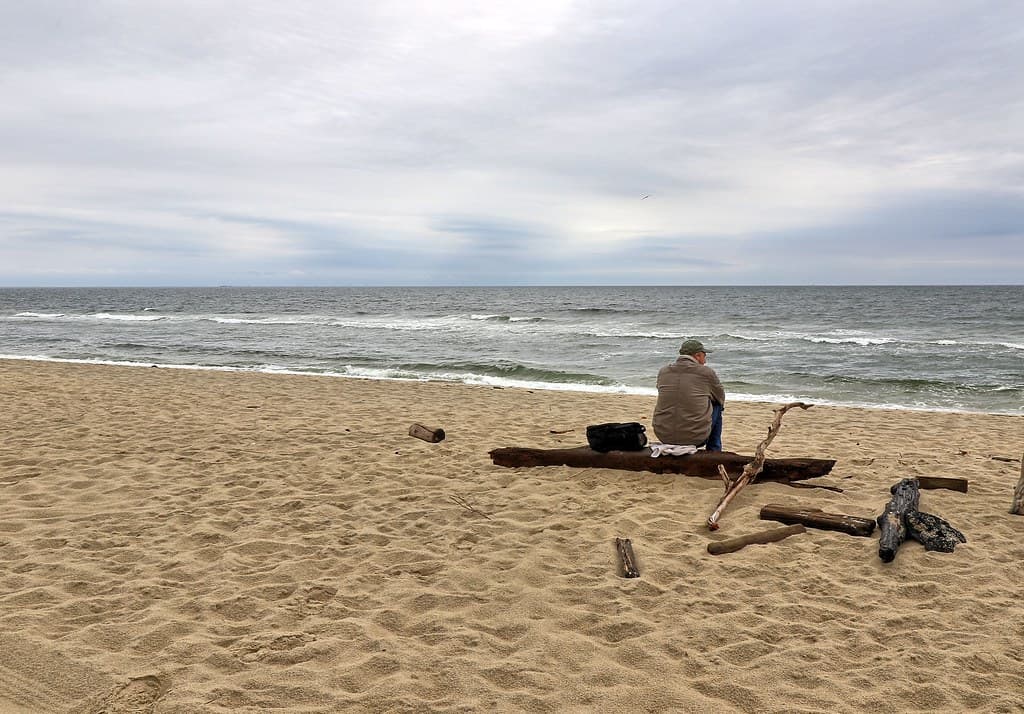
Counting the waves…

Sandy Hook stretches like a sandy finger into Lower New York Bay, a peninsula that's part national park, part urban escape, and entirely unexpected. You'll drive past scrub pine and beach plum to reach parking lots that serve distinct beach zones: Bay Beach on the calmer western side, where toddlers wade without worry, and the Atlantic-facing stretches where September surf can top four feet. The red-and-white Sandy Hook Lighthouse—the oldest working beacon in the nation—rises above coastal holly, while Battery Gunnison's concrete gun emplacements remind you this spit of land once defended New York Harbor. Families spread blankets near lifeguard stands at Lot D and E, where bathhouses offer outdoor showers that never quite rinse away all the sand. You'll find food trucks serving fish tacos near the visitor center, and rental bikes to pedal the multi-use path that winds past abandoned Nike missile sites. Gulls shriek overhead, diving for sandwich scraps, while horseshoe crabs dot the tideline in late spring. The southernmost Gunnison Beach operates as the state's only legal clothing-optional shore—posted signs mark the boundary clearly. North of there, families claim territory with umbrellas and coolers, casting lines into the surf or collecting jingle shells that wash up in ridges along the high-tide mark. Come October, when the crowds thin, you'll spot harbor seals basking on sandbars just offshore.
Places, rentals, tours and events within walking and driving distance of Sandy Hook Beach.
Photos
Swimming is generally safe at Sandy Hook Beach during the summer months when lifeguards are on duty from late June through early September. The beach has designated swimming areas with lifeguard supervision. Water conditions vary by location along the seven-mile stretch, with calmer waters typically found in the bay areas compared to the ocean side. Always check for warning flags and swim only in guarded areas. Rip currents can occur, so follow posted advisories and lifeguard instructions for safe ocean swimming.
The peak season runs from Memorial Day through Labor Day, with warmest water temperatures in July and August. Summer weekends can be extremely crowded, so arrive early for parking. Spring and fall offer pleasant weather for walking, biking, and beachcombing with fewer crowds, though swimming may be chilly. Winter visits are popular for solitude and bird watching. The park is open year-round, but facilities and lifeguards are only available seasonally from late spring through early fall.
Sandy Hook is accessible via Route 36 from the Garden State Parkway. The park has multiple parking lots along the main road, with Lot A through Lot T serving different beach areas. Weekend summer parking fills quickly, often by 10am, so arrive early. Parking fees apply year-round for vehicles. You can also reach Sandy Hook via SeaStreak ferry from Manhattan or New Jersey Transit bus service. Consider biking, as the park has excellent bike paths connecting all beach areas.
Sandy Hook has several snack bars and concession stands open during summer months, offering burgers, hot dogs, and refreshments. The Sea Gulls' Nest is a popular beachside restaurant. Restrooms, outdoor showers, and changing facilities are located throughout the park. For lodging, you'll need to stay in nearby towns like Highlands, Atlantic Highlands, or Red Bank, as overnight camping isn't permitted. Picnic areas with grills are available, and many visitors bring their own food and beverages.
Yes, the Sandy Hook Lighthouse is America's oldest operating lighthouse, built in 1764, and is a major attraction. The lighthouse is typically open for tours on weekends from April through October, allowing visitors to climb the 95 steps for panoramic views. Tours are free but require advance registration through the National Park Service. The surrounding area includes historic Fort Hancock and the Sandy Hook Proving Ground, making it a fascinating destination for history enthusiasts beyond just beach activities.