Counting the waves…
Counting the waves…
A refined fusion of water purity, environmental stability, and communal vibrancy for Gansevoort Peninsula Beach.
View MethodologyAnalyzed via live sensors and environmental data.
Wave height, wind, and atmospheric stability.
Live footfall and crowd balance metrics.
Community reviews and curated sentiment.
“You stretch out on imported sand while the Whitney Museum looms three blocks east and ferries churn past the Statue of Liberty. The Hudson laps at timber pilings beneath your beach chair, and the scent of sunscreen…”
Higher weekend density may affect water purity and crowd scores temporarily.
The Gansevoort Peninsula juts into the Hudson River like a comma between the Meatpacking District's boutiques and the working waterfront, its 5.5 acres of reclaimed industrial land now softened by beach chairs, umbrellas, and enough trucked-in sand to let you wiggle your toes. You descend a sloped path from street level to find a crescent of beige shore where the river meets timber decking, the water a murky jade that reflects the New Jersey skyline across the channel. Kayakers paddle from the boathouse while runners circle the paved perimeter, and families spread blankets on the sand even though swimming remains off-limits most days.
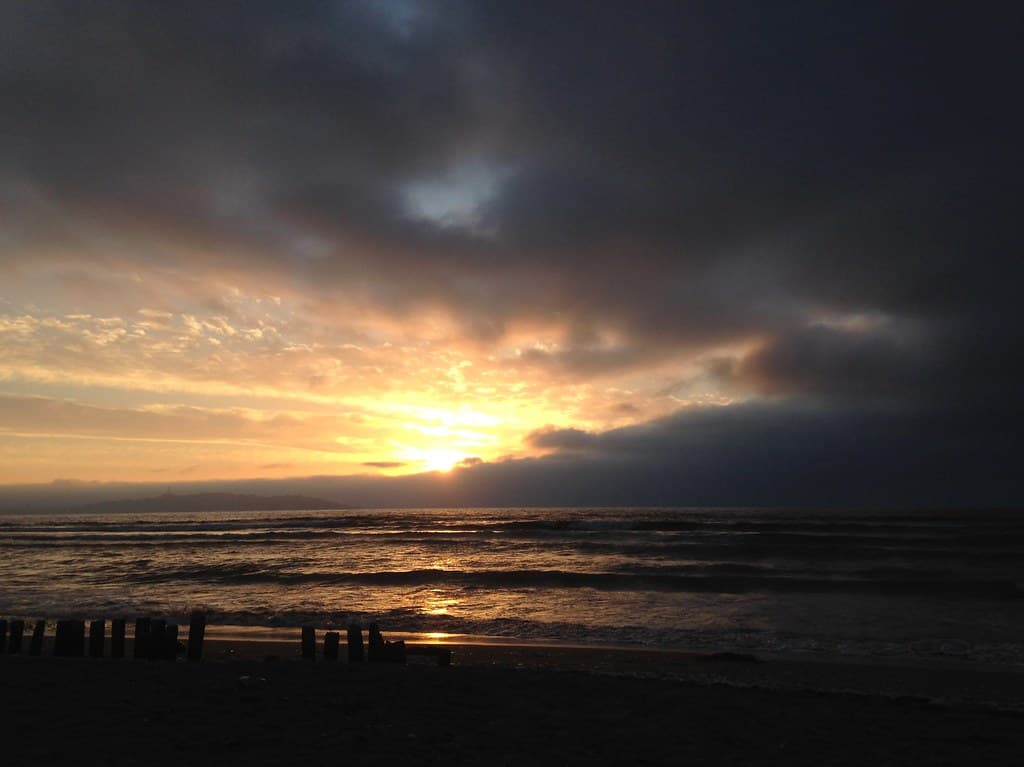
The beach operates seasonally with lifeguards, lounge chairs available by reservation, and a beverage program that leans into rosé and cold brew rather than piña coladas. You watch the sun drop behind Hoboken's brownstones, the sky turning tangerine and violet as the downtown towers cast long shadows across the water. Gulls wheel overhead, and the occasional harbor seal surfaces near the bulkhead, its whiskered head bobbing before it dives.
 Credit: Unsplash
city with high-rise buildings near body of water under blue and gray sky
 Credit: Unsplash
a view of a city at night from the water
Book umbrellas online ahead
Free rentals from boathouse
Golden hour behind Hoboken
Where it is
Gansevoort Peninsula Beach
New York City, New York, USA
40.739600°, -74.009800°
Weather
Loading…
Swell
—
Temp
Warm · Restorative
UV Index
Moderate
Wind
—
Tidal State
Last known
Max Sunlight
—
Ideal Shade
—
May - Sep (Peak)
Jan - Dec (Off-season)
Historical data suggests peak visibility and stable sea temperatures occur during the prime visitation window.
Select a category to load nearby places.
Unlock restaurants, luxury stays and curated maritime experiences within 2km
No, swimming is not permitted at Gansevoort Peninsula Beach. While it features sandy shoreline and waterfront access along the Hudson River, the area is designed for sunbathing, relaxation, and wading rather than full swimming. The Hudson River's currents and water quality make it unsuitable for swimming. Visitors can enjoy the beach atmosphere, lounge on the sand, dip their feet in the water, and take in stunning views of the river and New Jersey skyline. Lifeguards are not present since swimming is prohibited.
Gansevoort Peninsula Beach is accessible year-round, but late spring through early fall (May to September) offers the warmest weather for sunbathing and enjoying the sand. Summer weekends get crowded, so arrive early for prime spots. Weekday visits provide a quieter experience. The beach is particularly popular at sunset, offering spectacular views over the Hudson River. Winter visits are possible but quite cold, though the space remains open for waterfront walks. Evening hours during warmer months provide beautiful golden-hour lighting and cooler temperatures after hot afternoons.
Gansevoort Peninsula Beach is located at the western end of Gansevoort Street in Manhattan's Meatpacking District. The easiest access is via subway: take the A/C/E to 14th Street or the L to 8th Avenue, then walk west about 10 minutes. Limited metered street parking exists nearby, but parking is difficult and expensive in this area. Consider using public transportation, biking (Citi Bike stations are nearby), or ride-sharing services. The beach is part of Hudson River Park and easily accessible by foot from Chelsea and the West Village.
The beach itself has basic amenities including restrooms and outdoor showers for rinsing off. No food concessions operate directly on the sand, but the Meatpacking District surrounds the area with countless dining options within a 5-10 minute walk. Popular nearby spots include Chelsea Market, various cafes, restaurants, and bars along Gansevoort and Washington Streets. Many visitors bring picnic supplies. The Whitney Museum is also nearby. For lodging, the neighborhood offers upscale hotels like The Standard and Gansevoort Hotel, plus numerous boutique options throughout the Meatpacking District and Chelsea.
Yes, Gansevoort Peninsula Beach, which opened in 2023, is considered Manhattan's first public beach-like waterfront space. While technically a managed beach area rather than a natural beach, it features imported sand, lounging areas, and waterfront access—a first for Manhattan. The 5.5-acre peninsula transformed former industrial waterfront into recreational space with beach-style amenities. While New York City has other beaches in the outer boroughs like Coney Island and Rockaway Beach, this marks Manhattan's entry into beach destinations, offering a unique urban beach experience within Hudson River Park.
Photos