Counting the waves…
Counting the waves…

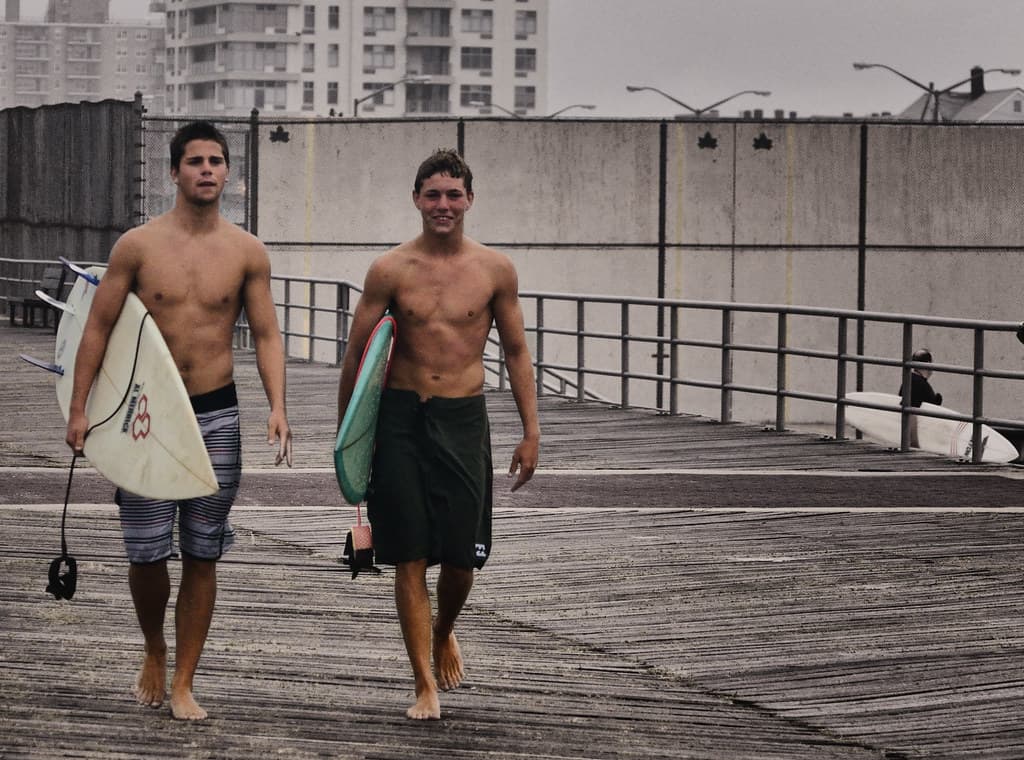
You step off the A train at Beach 25th Street and the brine hits you before you see the water. Far Rockaway Beach stretches along the Atlantic with an unvarnished honesty rare in New York City—no manicured dunes, no beach clubs with velvet ropes. The boardwalk here runs narrow and functional, lined with handball courts and the occasional taco truck, punctuated by access ramps that lead down to wide expanses of sand studded with seashells and the occasional horseshoe crab molting. The surf rolls in with surprising force, Atlantic swells that build and break in ragged lines. Local surfers claim the early morning hours, their silhouettes dark against the pewter dawn, while by afternoon Dominican families erect canopy tents and unpack coolers. The beach faces due south, making sunset a sideways affair—the light goes amber and pink, silhouetting the distant towers of Brooklyn and casting long shadows across the tide line. This is New York's working waterfront, a place where the city doesn't apologize for itself. The sand gets in everything. The water stays cold until July. Lifeguards blow their whistles with Queens accents, and when you look west, you can see planes descending toward JFK, their landing lights winking above the foam.
Places, rentals, tours and events within walking and driving distance of Far Rockaway Beach.
Photos
Far Rockaway Beach is patrolled by NYC Parks lifeguards during the summer season, typically from late June through early September. Swimming is only permitted when lifeguards are on duty, generally 10am-6pm. The beach features designated swimming areas marked by flags. Ocean conditions can vary, with occasional strong currents and waves, so always check posted warnings and swim only in guarded zones. Outside summer months, lifeguards are not present and swimming is not recommended. The beach undergoes regular water quality testing by the NYC Department of Health.
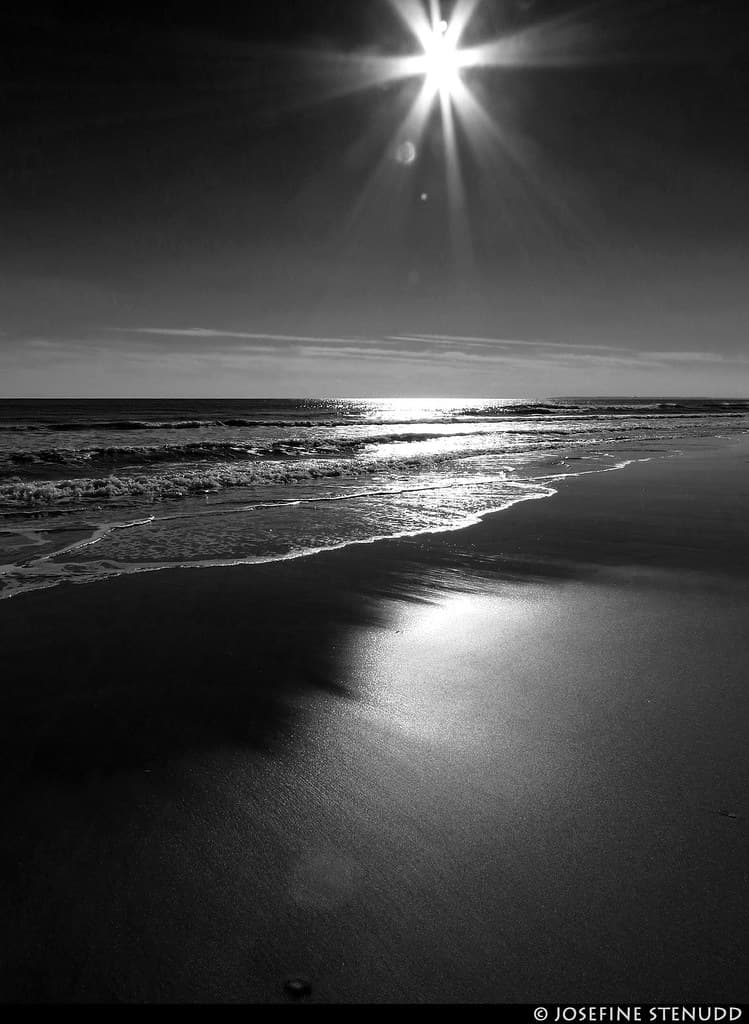
Summer (June through August) offers the best beach experience with lifeguards on duty, warm weather, and full amenities. However, weekends can get crowded. Early fall (September) provides pleasant temperatures with fewer visitors. The beach is accessible year-round for walking and sunset viewing—it's known for spectacular oceanfront sunsets. Spring and fall offer peaceful strolls but chilly ocean temperatures. Winter visits are possible for scenery but expect cold, windy conditions. Weekday mornings in summer provide the most peaceful experience with full services available.
The easiest public transit option is the A train to Beach 25th Street, Beach 36th Street, or Beach 60th Street stations, putting you within walking distance of the beach. The Q22 and Q35 buses also serve the area. If driving, metered street parking is available on nearby residential streets, though spaces fill quickly on summer weekends. Some free parking exists along side streets, but arrive early. The trip from Manhattan takes approximately 60-75 minutes by subway. Consider bringing beach gear you can carry comfortably from the station.
The beach has public restrooms, outdoor showers, and changing facilities managed by NYC Parks. During summer, you'll find the iconic boardwalk with food vendors selling snacks, ice cream, and beach essentials. Nearby Rockaway Beach Boulevard features local restaurants, cafes, and small markets offering everything from seafood to pizza. The Rockaway Beach Surf Club and other eateries provide sit-down dining options. For lodging, options are limited directly in Far Rockaway; most visitors day-trip or stay in nearby Brooklyn or Queens neighborhoods with easier access to diverse accommodations.
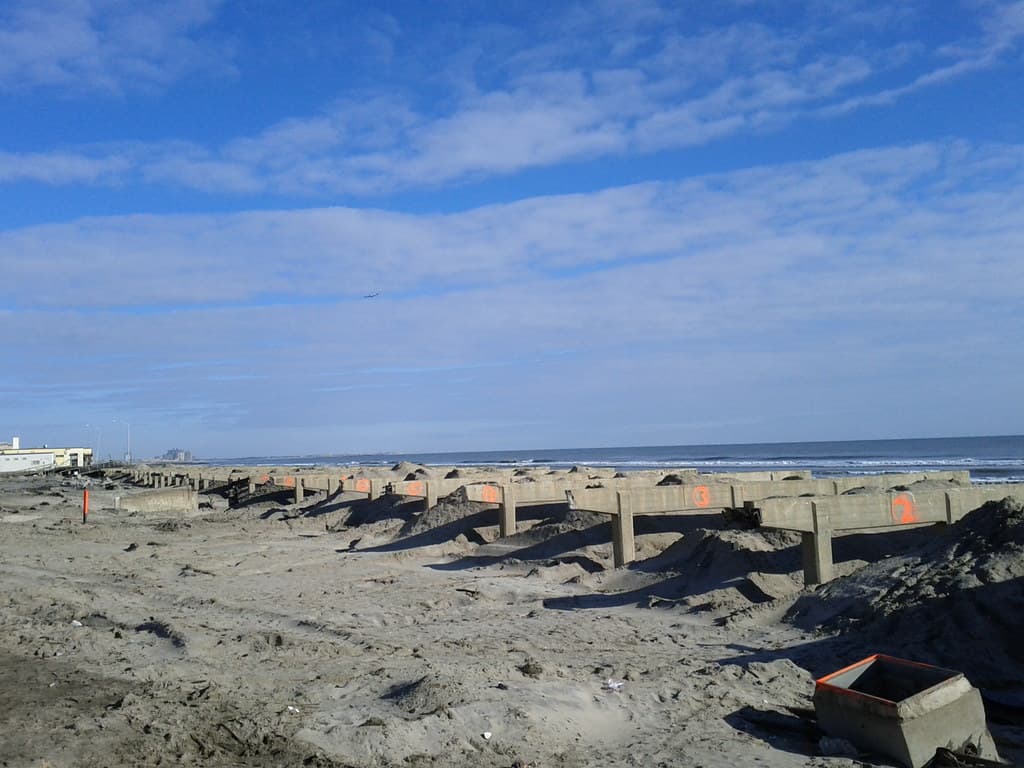
Far Rockaway Beach represents the easternmost stretch of the Rockaway Peninsula, offering a more local, residential beach atmosphere compared to the trendier western Rockaways. This working-class neighborhood beach has deep community roots and authentic Queens character. It's less crowded than Coney Island or Jacob Riis Park, making it ideal for families seeking space. The area has shown remarkable resilience after Hurricane Sandy, with ongoing community revitalization. You'll experience genuine neighborhood culture alongside oceanfront recreation, and the eastern location often means slightly different wave conditions popular with local surfers.