Counting the waves…
Counting the waves…

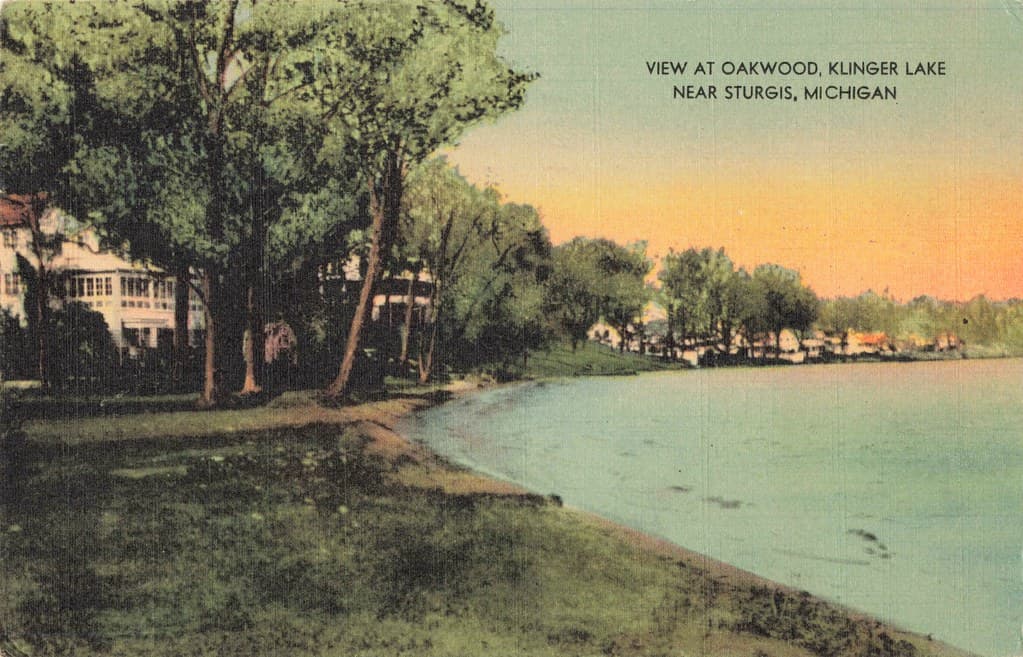
Great Kills Park Beach unfolds along a low sandy arc where Raritan Bay laps against one of the city's last semi-wild coastlines. The National Park Service maintains lifeguard towers during summer, but you'll notice the rhythm here runs slower than the rest of New York—joggers trace the flat two-mile loop around the former marina basin, anglers bait hooks from the riprap jetties, and toddlers squat at tide pools left by the receding water. Dune grasses hiss in the wind, and the scent of brine mixes with the occasional whiff of charcoal from the picnic groves tucked behind the beach access points. The sand itself is coarse and tawny, stippled with clamshells and the occasional horseshoe crab carapace. Wade in and you'll feel the gradual drop-off, the water temperature lagging behind the Atlantic beaches to the south thanks to the bay's sheltered geography. By late afternoon, the sun hangs low over the Outerbridge Crossing, casting amber light across the rippled shallows and silhouetting the gulls that wheel and dive for baitfish. You won't mistake this for a postcard cove—cargo ships plow the horizon, and the hum of the Staten Island Expressway carries faintly on westerly winds—but Great Kills delivers what few city beaches can: space, federal protection, and a shoreline that still feels accountable to tide charts rather than Instagram feeds.
Places, rentals, tours and events within walking and driving distance of Great Kills Park Beach.
Photos
Great Kills Park Beach is one of three designated swimming beaches within Gateway National Recreation Area, with lifeguards on duty during summer season (typically Memorial Day through Labor Day). Swimming is only permitted when lifeguards are present. The beach has experienced periodic water quality issues in the past, so check the National Park Service website or call ahead for current swimming conditions and any advisories. Always swim within the designated areas and follow posted signs and lifeguard instructions for your safety.
The peak season runs from late May through early September when lifeguards are on duty and facilities are fully operational. July and August offer the warmest ocean temperatures. However, the beach is open year-round for walking, birdwatching, and fishing. Spring and fall provide quieter visits with mild weather, perfect for hiking the park's trails. Winter attracts wildlife enthusiasts and photographers. For swimming specifically, visit on weekdays in June or early September to avoid summer crowds while still enjoying supervised swimming.
Great Kills Park Beach is located off Hylan Boulevard on Staten Island's eastern shore. By car, take the Staten Island Expressway to Hylan Boulevard exit. Free parking is available in several lots near the beach, though spaces fill quickly on summer weekends—arrive before 10am for best availability. Public transportation options include the S78 and S79 SIR buses from the Staten Island Railway. The beach is approximately 30-40 minutes from the Staten Island Ferry terminal by bus or car.
Great Kills Park Beach offers basic amenities including restrooms, outdoor showers, and changing facilities during the summer season. A concession stand operates seasonally selling snacks, ice cream, and beverages, though options are limited. For more substantial dining, several restaurants and delis are located along nearby Hylan Boulevard within a short drive. It's advisable to bring your own food and drinks, as the park has picnic areas and grills available. No lodging exists within the park itself; nearby hotels are in central Staten Island or across the Verrazano Bridge in Brooklyn.
Yes, fishing is a popular year-round activity at Great Kills Park. While swimming areas are restricted during lifeguard hours, the park features a fishing pier and extensive shoreline where anglers can fish for striped bass, bluefish, flounder, and other species. No fishing license is required for saltwater fishing in New York. The park's marina area and jetties are particularly popular fishing spots. Crabbing is also permitted in designated areas. Check National Park Service regulations for any seasonal restrictions or catch limits before you go.