Counting the waves…
Counting the waves…

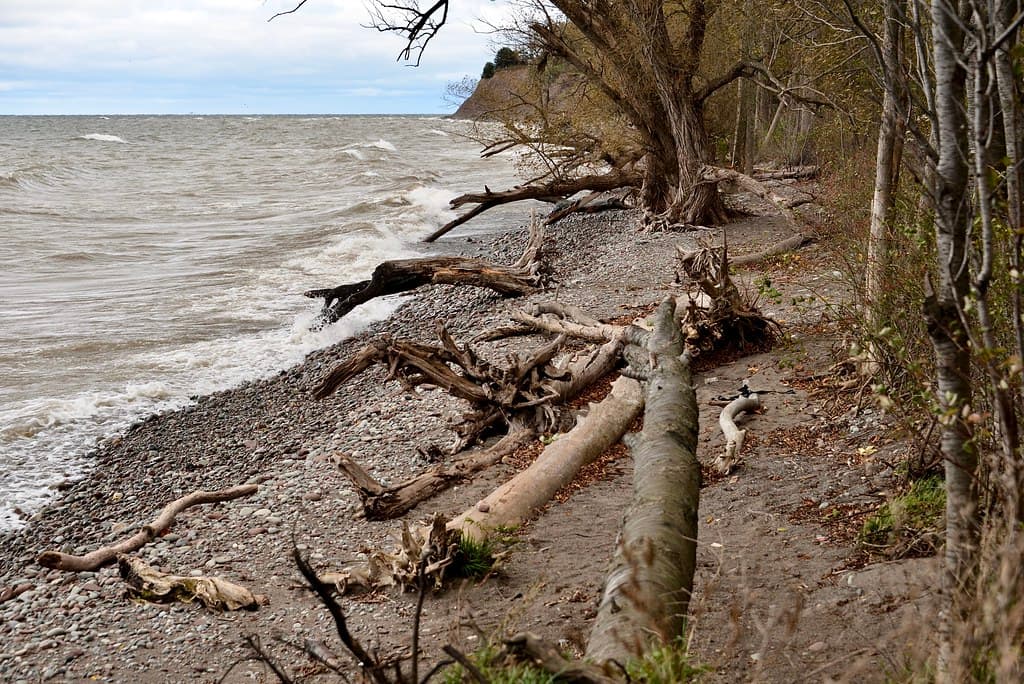
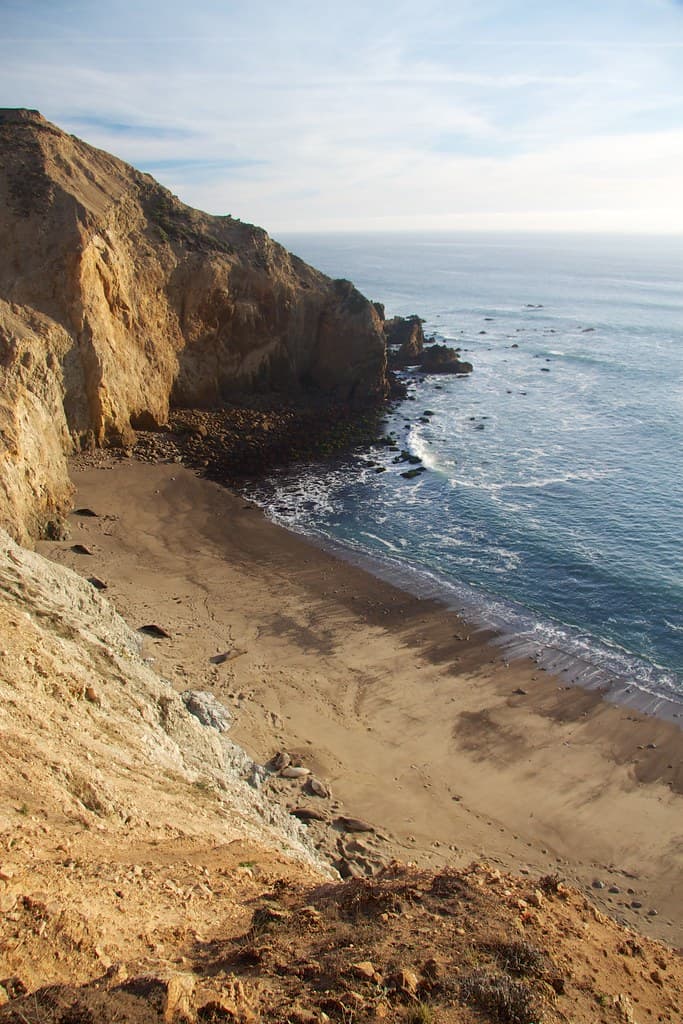
The trail drops you onto a narrow ribbon of beach where Lake Ontario meets one of the continent's most dramatic examples of active erosion. Above, the bluffs rise in improbable formations—chimneys, yes, but also hoodoos, fins, and gothic spires that shift with every storm. The clay bands tell a 10,000-year story in rust, ochre, and slate blue, each layer deposited when glacial Lake Iroquois retreated. You walk along wet sand scattered with shale fragments, smooth pebbles, and the occasional fossil from the Ordovician seabed. The shoreline changes with the season and the lake's mood. Spring runoff carves fresh gullies down the bluff face. Summer sun bakes the clay into temporary hardness. Autumn storms undercut the formations, sending tons of sediment sliding overnight. Winter ice sculpts the waterline into something lunar. You're witnessing geology in real time, not locked behind museum glass. Sunset here unfolds horizontally, the sky igniting across the lake's western expanse while the bluffs catch fire in reflected light. The beach empties after day-hikers leave, and you can hear only waves, wind in the bluff-top oaks, and the occasional crumble of clay finding its way to the water. This is Lake Ontario stripped of boardwalks and lifeguard stands—raw, ephemeral, and utterly unconcerned with your camera.
Places, rentals, tours and events within walking and driving distance of Chimney Bluffs Shoreline Beach.
Photos
Swimming at Chimney Bluffs is not recommended and can be dangerous. The beach sits on Lake Ontario, where currents can be strong and unpredictable. The shoreline is rocky rather than sandy, making water entry difficult. Additionally, the towering clay pinnacles above are actively eroding—falling debris poses a serious hazard. The park doesn't have lifeguards or designated swimming areas. Visitors should enjoy the beach for hiking and photography rather than swimming. Always keep a safe distance from the bluff base.
Chimney Bluffs offers year-round beauty, with each season providing distinct experiences. Late spring through fall (May-October) offers the most comfortable hiking weather with accessible trails. Sunset visits are spectacular any time of year, as the western-facing bluffs glow dramatically. Winter visits reveal stunning ice formations along the bluffs, though trails can be challenging. Early morning or late afternoon provides the best lighting for photography. Weekdays are generally less crowded than weekends. The dramatic geological formations remain impressive regardless of season.
Chimney Bluffs State Park is located in Wolcott, Wayne County, accessible via Lake Bluff Road off East Bay Road. From the parking area, trails lead approximately one mile to the bluffs overlook and shoreline. The park has a small parking lot that accommodates around 20-25 vehicles—it fills quickly on weekends during peak season. Arrive early for best parking availability. The access road is rural and can be narrow. GPS coordinates are helpful as the location is somewhat remote in this rural area of New York.
Chimney Bluffs is in a rural area with no facilities on-site—no restrooms, food vendors, or water fountains. Bring your own water, snacks, and supplies. The nearby village of Wolcott (about 15 minutes away) has basic restaurants and convenience stores. For more dining and lodging options, Sodus Point (20 minutes) offers waterfront restaurants and seasonal accommodations. The Finger Lakes region and Lake Ontario shoreline have various bed-and-breakfasts, campgrounds, and hotels within 30-45 minutes. Plan accordingly as amenities aren't immediately available.
The dramatic spire-like formations at Chimney Bluffs are massive clay and sediment pinnacles sculpted by glacial activity and ongoing erosion. These towering columns, some reaching 150 feet high, were formed from drumlins—glacial deposits left by retreating ice sheets thousands of years ago. Lake Ontario's waves, rain, wind, and freeze-thaw cycles continuously reshape these structures, creating an otherworldly landscape. The formations change constantly, making the bluffs a dynamic natural feature. This geological phenomenon is relatively rare and provides exceptional photographic opportunities along this unique Lake Ontario shoreline.