Counting the waves…
Counting the waves…
A refined fusion of water purity, environmental stability, and communal vibrancy for Carova Beach.
View MethodologyAnalyzed via live sensors and environmental data.
Wave height, wind, and atmospheric stability.
Live footfall and crowd balance metrics.
Community reviews and curated sentiment.
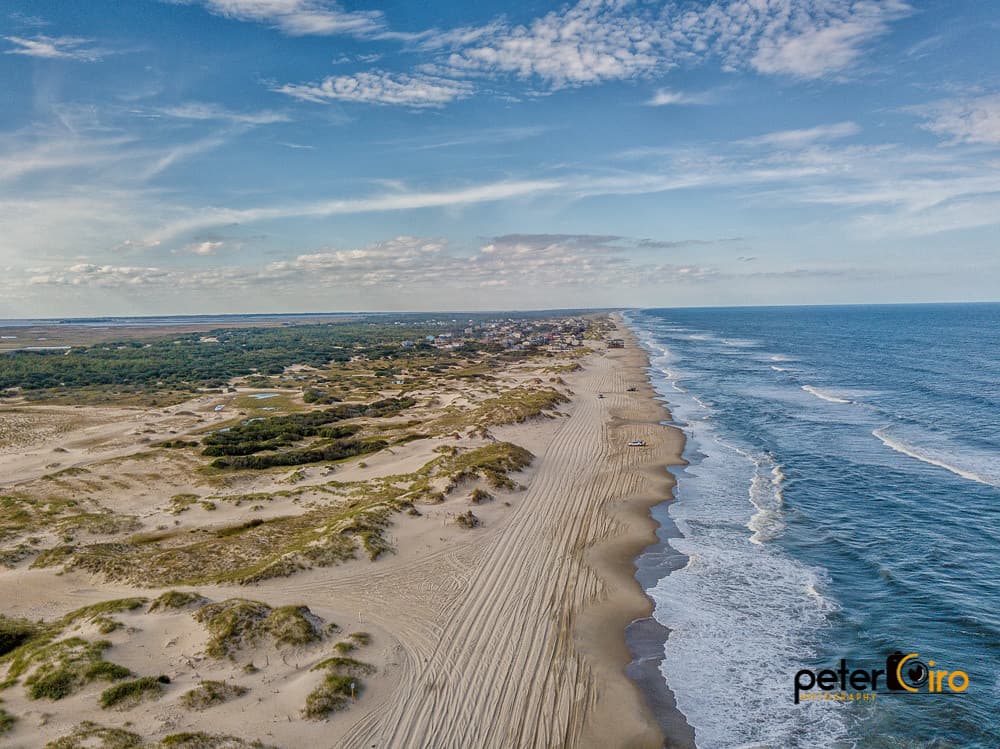
“North of the last paved road, Carova Beach unfolds in a tangle of sea oats and hoof prints. The Colonial Spanish mustangs that roam these dunes have grazed here longer than the Outer Banks has had a name, and the only…”
Limited recent visitor reports — live OBI telemetry is your best guide for current conditions.
You cross into Carova when the asphalt ends at the Virginia line and the Atlantic becomes your only neighbor for miles. No shops, no lifeguards, no cell service—just a procession of stilted beach houses and the descendants of sixteenth-century shipwreck survivors picking their way through cordgrass. The horses, about a hundred strong, treat the shoreline as their own, and you'll learn to pause mid-drive when a bay mare and her foal decide to nap in the middle of your route.
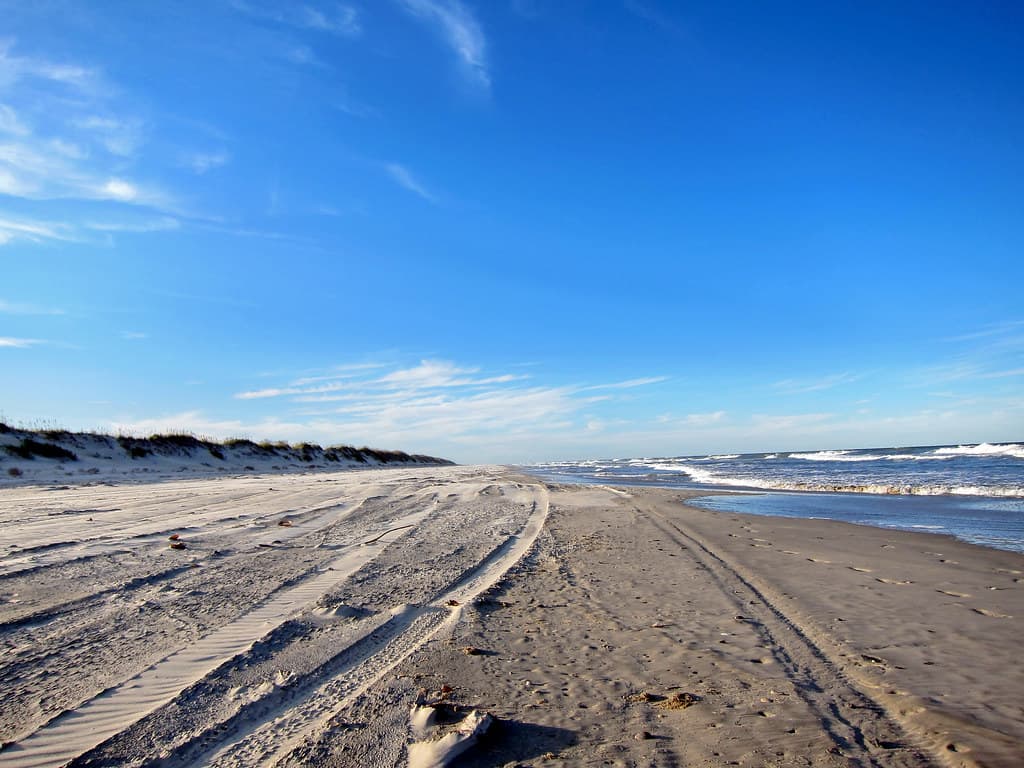
The beach itself stretches wide and wind-scraped, its sand the color of brown sugar after a storm. Shorebirds work the wrack line at dawn, and by afternoon the only sound is the thud of breakers and the occasional whinny drifting from behind the dunes. You'll find no boardwalks or snack bars—provisions come from Corolla, twenty minutes south when the tide cooperates.
Crystal lagoon with rocky outcrop
White cliffs over a desert beach
Stay twenty feet from herds
No lifeguards; swim with caution
Avoid marked nesting areas entirely
Where it is
Carova Beach
Carova, North Carolina, USA
36.527000°, -75.868200°
Weather
Loading…
Swell
—
Temp
Warm · Restorative
UV Index
Moderate
Wind
—
Tidal State
Last known
Max Sunlight
—
Ideal Shade
—
May - Sep (Peak)
Jan - Dec (Off-season)
Historical data suggests peak visibility and stable sea temperatures occur during the prime visitation window.
Select a category to load nearby places.
Unlock restaurants, luxury stays and curated maritime experiences within 2km
Swimming at Carova Beach is generally safe during calm conditions, but there are no lifeguards on duty. The beach is undeveloped and remote, so exercise caution with currents and weather. Check ocean conditions before entering the water. The beach is also home to wild horses that roam freely—maintain a safe distance of at least 50 feet from these animals, as they can be unpredictable. Always swim with a buddy and tell someone your plans before heading to this isolated area.
Carova Beach is accessible year-round, but late spring through early fall (May-October) offers the warmest weather and best swimming conditions. Summer brings peak crowds and the highest chance of spotting wild horses on the beach. Fall provides pleasant temperatures with fewer visitors. Winter and early spring can be chilly but offer solitude and dramatic coastal scenery. Avoid hurricane season (August-October) when storms can make the beach inaccessible. Four-wheel drive is required year-round, and sand conditions vary seasonally.
Carova Beach is only accessible by four-wheel drive vehicle. From the northern end of NC Highway 12 in Corolla, continue north on the beach itself—there are no paved roads. Air down your tires to 15-20 PSI for better traction in soft sand. The drive takes 20-45 minutes depending on your destination. Park on the beach above the high-tide line or at your rental property. Regular vehicles cannot access this area. Check tide schedules before traveling, as high tide can make passage difficult or impossible.
Carova Beach has no commercial development—no restaurants, shops, gas stations, or hotels. This area is strictly residential with private beach homes available for weekly vacation rentals. You must bring all supplies, food, and fuel from Corolla or further south. Stock up completely before driving onto the beach. Most rental homes are well-equipped with full kitchens and amenities. The nearest grocery stores, restaurants, and services are in Corolla, about 20-45 minutes away by 4WD. Plan accordingly for this remote experience.
Yes, Carova Beach is famous for its population of wild Colonial Spanish Mustangs that roam freely throughout the area. These protected horses are descendants of Spanish explorers' horses from the 16th century. You'll likely spot them on the beach, dunes, or near homes, especially during early morning or late afternoon. North Carolina law requires staying at least 50 feet away—never feed, touch, or approach them. They may appear tame but are wild animals. Numerous tour companies offer guided wild horse tours from Corolla.
Photos