
Counting the waves…
Counting the waves…

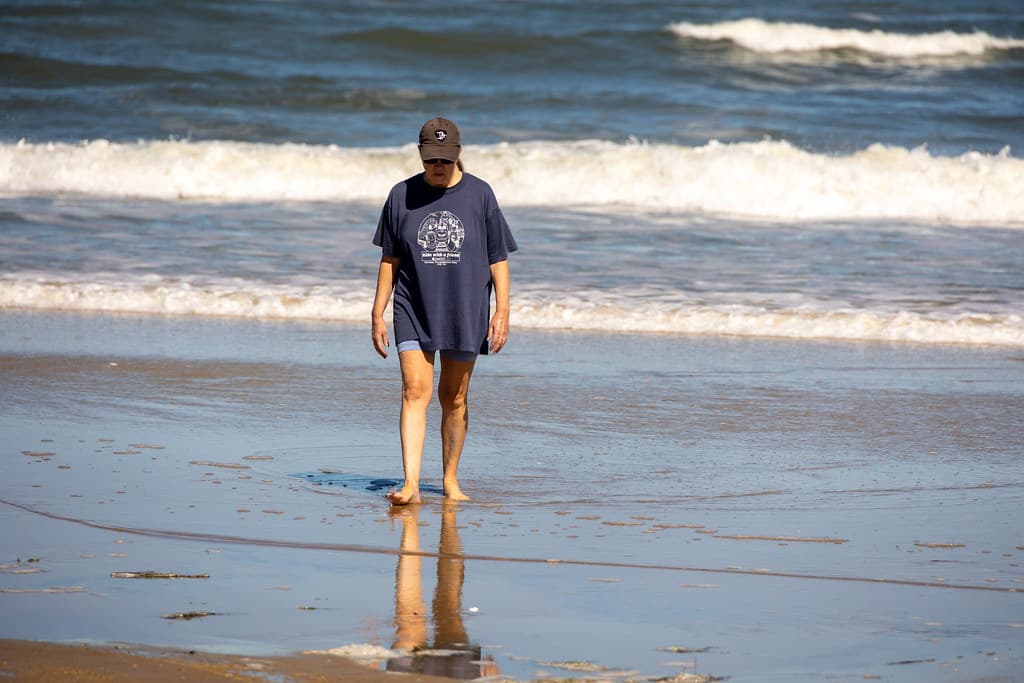
You step off the boat onto sand so fine it squeaks underfoot, the kind deposited grain by grain by tides that never rest. Hatteras Inlet Beach exists in a state of perpetual revision: storms carve new channels, currents build ephemeral dunes, and the spit stretches or shrinks with each lunar cycle. The Atlantic side delivers proper surf, white foam racing up slopes of tan sand studded with coquina shells worn smooth as river stones. Turn 180 degrees and Pamlico Sound spreads jade-green and flat, warm enough in summer to wade waist-deep without a shiver. The isolation is the point. No beach umbrellas, no lifeguard towers, no couple arguing over whether to reapply sunscreen. Ospreys nest in the distance; ghost crabs scuttle sideways at your approach. Bring everything—water, shade, provisions—because the only infrastructure is what the tide delivers: driftwood silvered by salt, tangled fishing line, the occasional buoy in faded orange. Captain Gary at Hatteras Harbor Marina knows the shoals and sandbars better than most people know their own driveways. Time your crossing with the tides; the inlet can turn vicious when wind opposes current. But arrive at the right hour, anchor in knee-deep water off the sound side, and you'll understand why anglers, birders, and solitude-seekers guard this place like a whispered secret.
Places, rentals, tours and events within walking and driving distance of Hatteras Inlet Beach.
Photos
Swimming at Hatteras Inlet Beach requires caution due to strong currents and shifting sandbars. The inlet connects Pamlico Sound to the Atlantic Ocean, creating unpredictable water conditions with powerful tidal flows. There are no lifeguards on duty. Currents can be especially dangerous near the inlet's mouth. The beach is better suited for wading, fishing, and beachcombing than swimming. If you do enter the water, stay close to shore, never swim alone, and be aware of changing tides. Check local conditions before visiting.
Hatteras Inlet Beach can be visited year-round, with each season offering different experiences. Spring and fall provide mild temperatures, fewer crowds, and excellent fishing opportunities. Summer brings warm weather ideal for boating and beach activities, though expect more visitors. Winter offers solitude and bird-watching opportunities, but can be windy and cold. For the calmest weather and good fishing, May-June and September-October are ideal. The area experiences hurricane season from June through November, so monitor forecasts during those months.
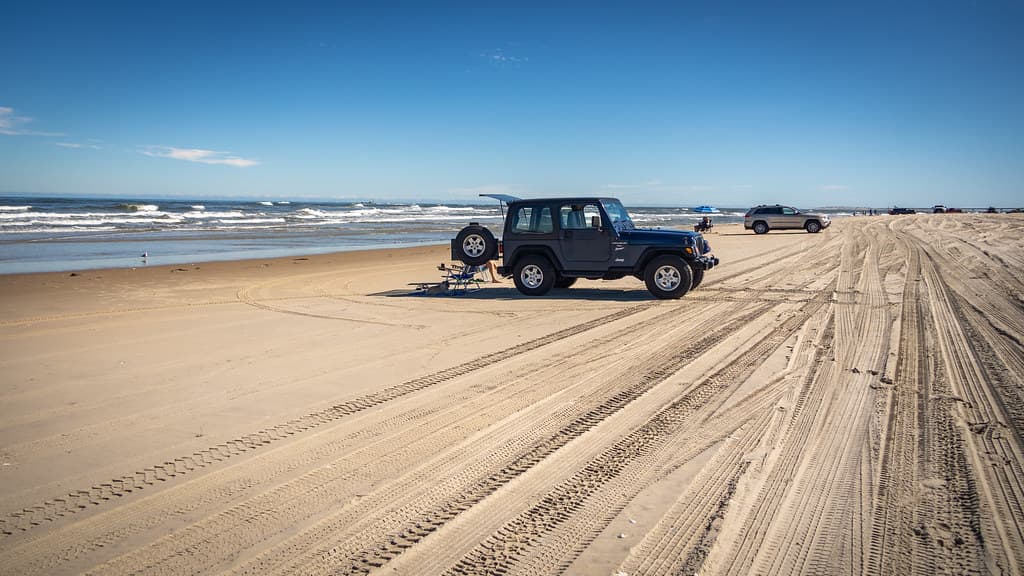
Hatteras Inlet Beach is primarily accessed by boat, as it's located on the southern tip of Hatteras Island near the Hatteras-Ocracoke ferry terminal. Many visitors arrive via private boats or kayaks launched from nearby ramps. You can also reach the general area by driving to the end of NC Highway 12 in Hatteras Village, where parking is available near the ferry terminal. From there, the beach is accessible on foot. Four-wheel-drive vehicles can access certain beach areas with proper permits from the National Park Service.
Hatteras Inlet Beach itself is undeveloped with no amenities directly on-site. The nearest facilities are in Hatteras Village, about 2-3 miles away, where you'll find restaurants, convenience stores, and restrooms near the ferry terminal. For accommodations, Hatteras Village offers hotels, motels, vacation rentals, and campgrounds. The nearby villages of Frisco and Buxton provide additional dining and lodging options. Pack food, water, and supplies before heading to the beach, as there are no vendors or facilities at this remote location.
While the general Hatteras Inlet area can be reached by car and foot, the best and most pristine sections of this beach are accessible primarily by boat due to the inlet's geography. The inlet creates isolated sandbars and beach areas that shift with storms and tides, making them unreachable by land. Boaters can explore secluded beaches on these temporary islands and sandbars. This boat-access feature keeps crowds minimal and preserves the wild, natural character that makes this location appealing for fishing, shelling, and nature observation.