Counting the waves…
Counting the waves…

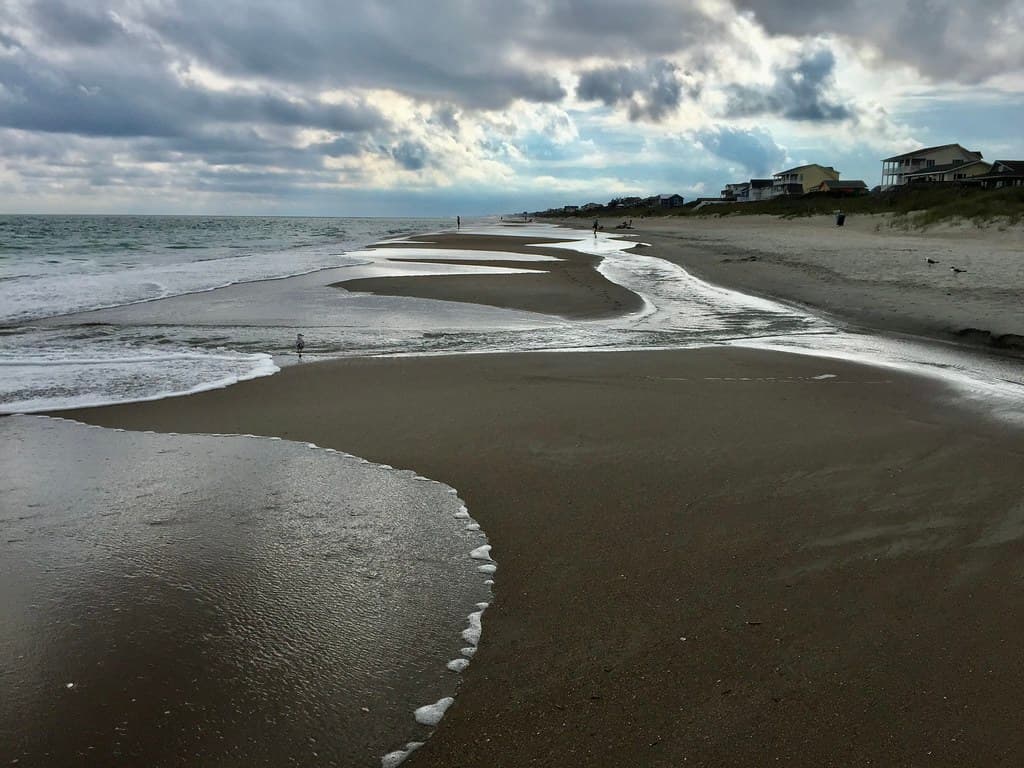
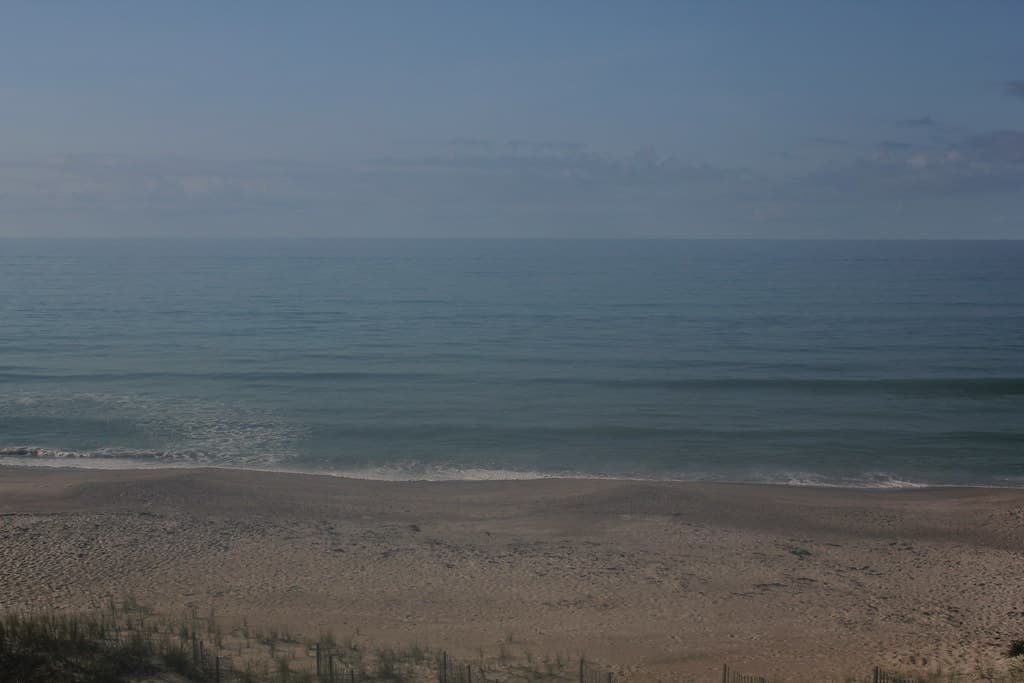
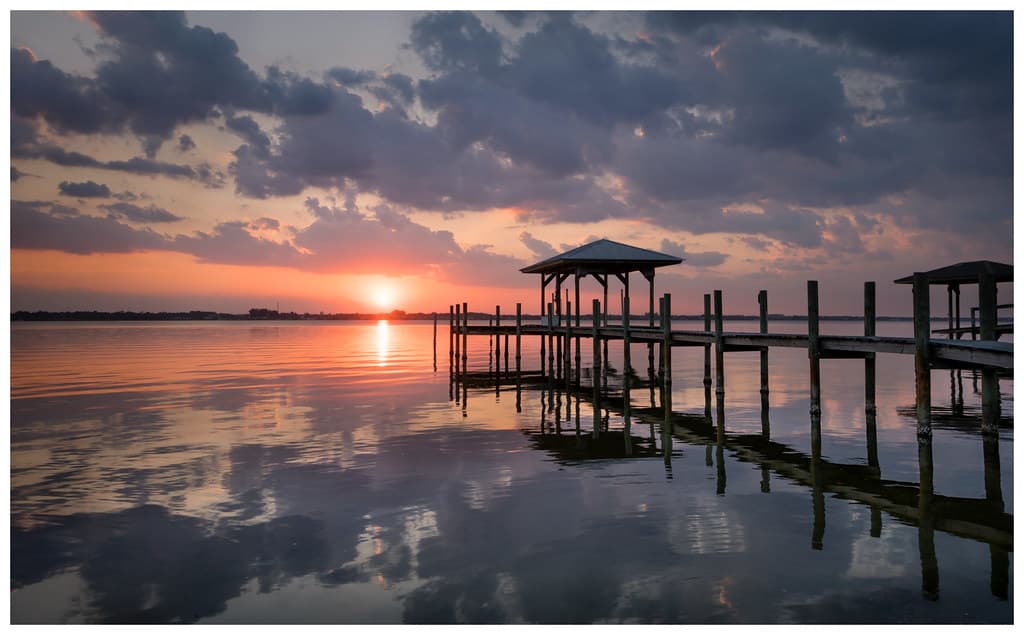
Indian Beach occupies a four-mile stretch of Bogue Banks where the development thins and the shoreline regains its composure. You park along Salter Path Road, cross a narrow ribbon of maritime scrub, and step onto sand the color of brown sugar. The water here runs warmer than beaches farther north—the Gulf Stream brushes close—and the slope is gentle enough that children wade out twenty yards before the bottom drops. The beach takes its name from a community that predates the resort towns bookending it, and that older rhythm persists. You won't find boardwalks or rental kiosks, just dune grasses bending in the onshore wind and the occasional skein of pelicans threading low over the swells. Mornings bring beachcombers searching tidal wrack for whelk shells and sand dollars; afternoons, boogie boarders catching the short, punchy waves that arrive with southwest wind. When the sun dips, families gather near the public access points where the dunes frame the horizon. The light turns the color of apricot preserves, and the Atlantic stretches flat and pewter to the east. You hear laughter, the hiss of coolers opening, the thud of a volleyball. It's unhurried, unpretentious, and resolutely itself.
Places, rentals, tours and events within walking and driving distance of Indian Beach.
Photos
Indian Beach is generally safe for swimming, though conditions vary by season and weather. The beach faces the Atlantic Ocean with typically moderate surf suitable for families. Always check local advisories before entering the water, as rip currents can occur, especially during storms or high tide. Lifeguards are not typically stationed here, so swim at your own risk and stay close to shore if you're with children. The ocean floor slopes gradually, making it relatively family-friendly, but supervise children closely and avoid swimming during rough weather or red flag conditions.
Indian Beach is enjoyable year-round, with each season offering different experiences. Summer (June-August) brings warm water and air temperatures in the 80s°F, ideal for swimming but also peak crowds. Spring (April-May) and fall (September-October) offer pleasant weather, fewer visitors, and comfortable temperatures in the 70s°F. Winter is quiet with cooler temperatures in the 50s-60s°F, perfect for beachcombing and peaceful walks. Hurricane season runs June through November, with September being the highest risk month. May and October often provide the best balance of good weather and fewer crowds.
Indian Beach is located on Bogue Banks in Carteret County, accessible via NC Highway 58. From the mainland, cross the Atlantic Beach Causeway (Highway 58) and head west. Public beach access points are marked along Salter Path Road. Parking is available at several public access points with small parking areas—spots are limited and fill quickly during summer. Some access points offer free parking, while others may require fees during peak season. Arriving early in the day, especially on weekends, significantly improves your chances of finding parking near your preferred beach access.
Indian Beach is a quiet residential community with limited commercial development directly on the beach. You'll find vacation rental homes and condos for lodging rather than large hotels. For dining and shopping, nearby Atlantic Beach and Emerald Isle (both within a 10-minute drive) offer numerous restaurants, grocery stores, and beach supply shops. The beach itself has minimal amenities at public access points—typically just walkways and sometimes outdoor showers. Plan to bring your own food, drinks, and beach equipment. Several convenience stores and casual eateries are scattered along Salter Path Road for quick meals and supplies.
Indian Beach stands out for its peaceful, uncommercial atmosphere and natural beauty. Unlike the more developed Atlantic Beach or Emerald Isle, Indian Beach has remained largely residential with strict building restrictions that preserve its quiet, family-oriented character. The beach is known for excellent shelling and fewer crowds, even during peak summer months. It's part of the historic Salter Path community, which has unique land ownership dating back to the early 1900s. The absence of high-rise hotels and limited commercial development creates a more intimate, old-fashioned beach experience that appeals to families seeking tranquility over tourist attractions.