Counting the waves…
Counting the waves…
A refined fusion of water purity, environmental stability, and communal vibrancy for Crescent Beach.
View MethodologyAnalyzed via live sensors and environmental data.
Wave height, wind, and atmospheric stability.
Live footfall and crowd balance metrics.
Community reviews and curated sentiment.
“You'll reach Crescent Beach by descending wooden steps through Sitka spruce and salal, emerging onto a comma-shaped strand where offshore sea stacks frame the horizon and harbor seals lounge on rocks beyond the surf.…”
Limited recent visitor reports — live OBI telemetry is your best guide for current conditions.
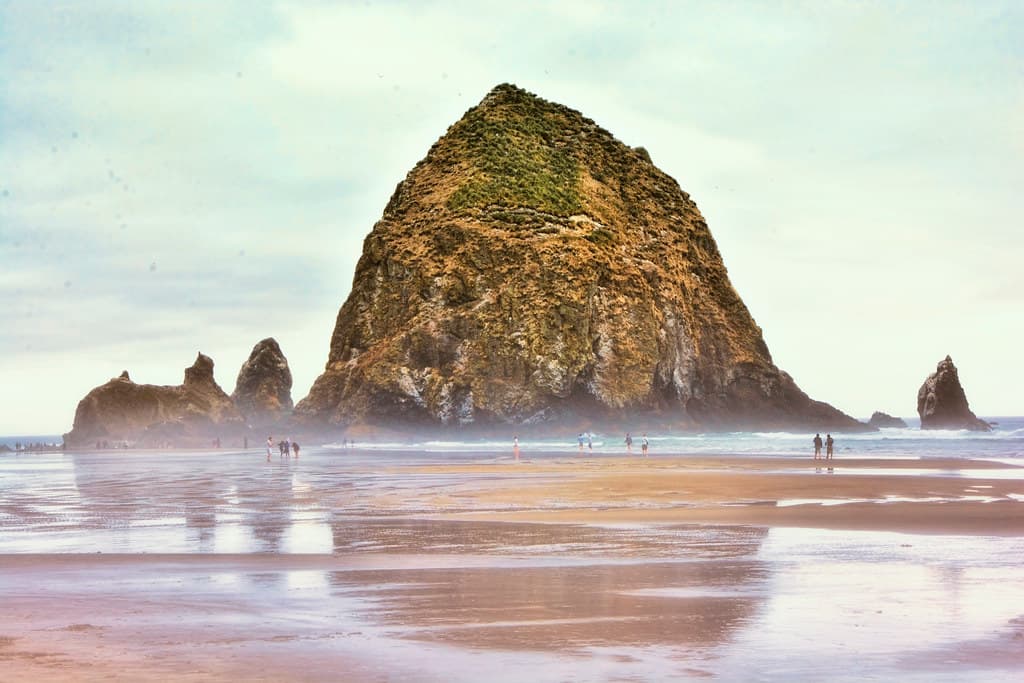
Crescent Beach hides in plain sight at the southern edge of Ecola State Park, a quarter-mile scramble down weathered stairs from the viewpoint parking area. While tour buses idle at Haystack Rock two miles north, you'll have this compact crescent of sand mostly to yourself—especially on weekday mornings when fog still clings to the headlands and the only footprints belong to shorebirds.
The beach curves like a fingernail between Chapman Point and the dark, muscular cliffs that define this stretch of the Oregon coast. At low tide, tide pools bloom with ochre stars and aggregating anemones, their tentacles retracting at the slightest shadow. The water stays frigid year-round—48 degrees in August—but that doesn't stop wet-suited surfers from paddling out to the rocky break on the north end.
 Credit: Unsplash
a beach with houses on it
 Credit: Unsplash
a boat out in the ocean on a cloudy day
Golden hour silhouettes offshore
Anemones and ochre stars
North end reef waves
Where it is
Crescent Beach
Cannon Beach, Oregon, USA
45.918800°, -123.977200°
Weather
Loading…
Swell
—
Temp
Warm · Restorative
UV Index
Moderate
Wind
—
Tidal State
Last known
Max Sunlight
—
Ideal Shade
—
May - Sep (Peak)
Jan - Dec (Off-season)
Historical data suggests peak visibility and stable sea temperatures occur during the prime visitation window.
Select a category to load nearby places.
Unlock restaurants, luxury stays and curated maritime experiences within 2km
Swimming at Crescent Beach is generally not recommended due to strong currents, unpredictable waves, and cold water temperatures year-round. The Oregon coast is known for hazardous conditions including sneaker waves that can appear suddenly. Wading in shallow water is possible during calm days, but always stay alert and never turn your back to the ocean. The beach is better suited for tide pooling, beachcombing, and scenic walks. Check local conditions before visiting and supervise children closely near the water.
Crescent Beach can be visited year-round, with each season offering different experiences. Summer (June-September) provides the most reliable weather with less rain, though Oregon coast fog is common. Spring and fall offer fewer crowds and dramatic storm watching opportunities. Winter brings powerful waves and stormy scenery but expect rain and wind. Low tide is ideal for exploring tide pools and sea caves. Morning visits often feature calmer conditions and better light for photography. The beach faces west, making it excellent for sunset viewing any time of year.
Crescent Beach is located at the south end of Cannon Beach, accessible via a short trail from the Ecola State Park entrance on the town's south side. Park at the small pullout area near the trailhead off Highway 101. The trail descends through coastal forest for about 10-15 minutes before reaching the beach. Parking is limited and fills quickly during summer and weekends. An alternative is parking in downtown Cannon Beach and walking south along the main beach at low tide. Check tide tables before attempting the beach walk.
Crescent Beach is within walking distance of downtown Cannon Beach, which offers numerous dining options ranging from casual cafes to upscale restaurants featuring fresh seafood and Pacific Northwest cuisine. Accommodation options include oceanfront hotels, cozy inns, and vacation rentals throughout Cannon Beach. The town center is less than a mile north and features art galleries, shops, and grocery stores. No facilities exist directly at Crescent Beach itself, so bring water and snacks. The nearby town provides all necessary amenities for visitors exploring this quieter beach area.
Crescent Beach remains relatively uncrowded compared to the main Cannon Beach area near Haystack Rock, despite its stunning scenery. Its secluded location requires a short hike, which deters casual visitors and creates a more peaceful atmosphere. The crescent-shaped cove offers dramatic cliff views, interesting rock formations, and excellent tide pools. During low tide, sea caves become accessible for exploration. The beach provides spectacular views of the coastline while avoiding the crowds that gather around Haystack Rock, making it perfect for those seeking solitude and natural beauty.
Photos