Counting the waves…
Counting the waves…

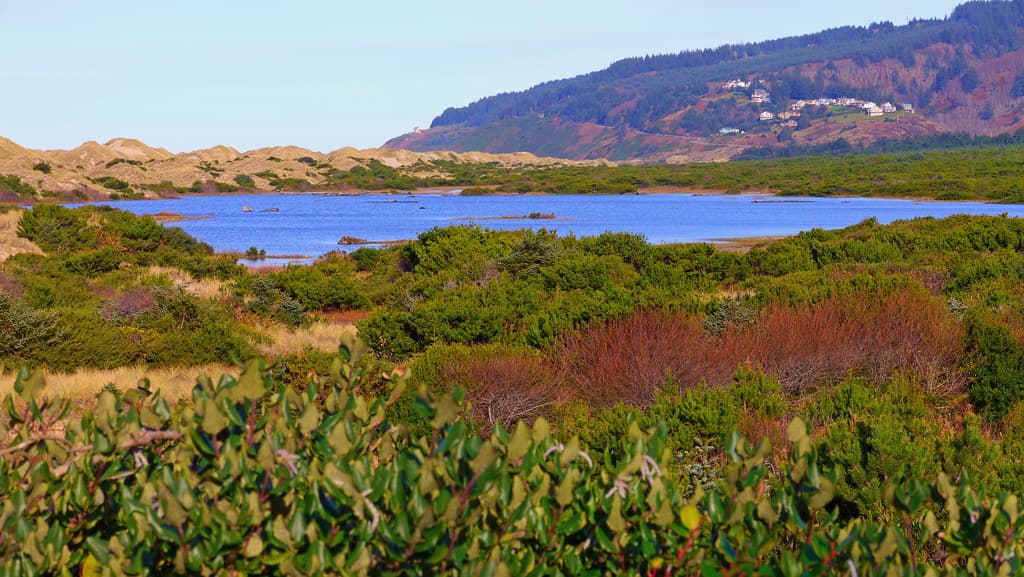
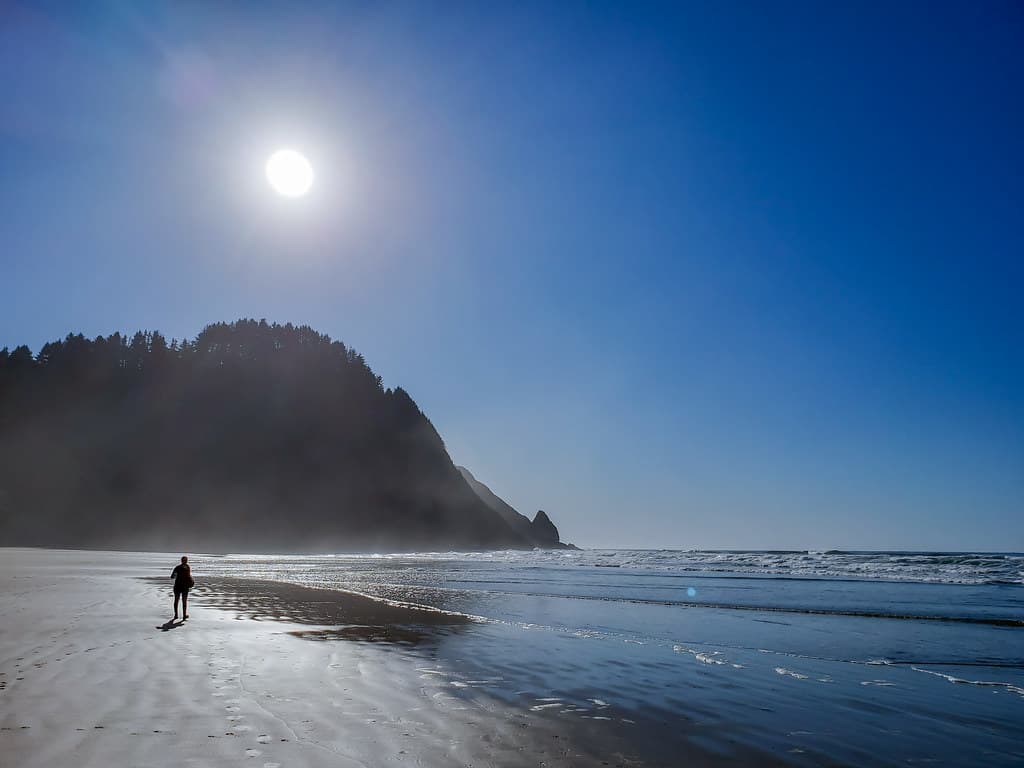
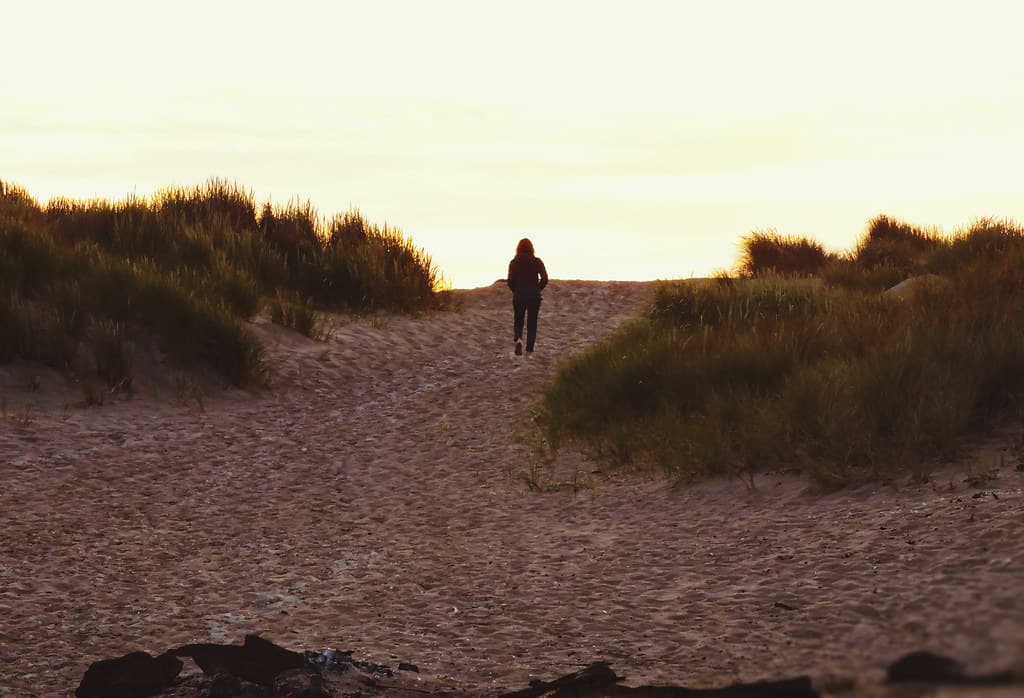
Baker Beach unfolds at the mouth of the Siuslaw River, a dynamic meeting point where the river's brown-tinted outflow braids through sandbars before surrendering to Pacific breakers. You'll walk along packed sand ribbons that change shape with each tide, dodging ribbons of kelp and bleached logs the size of school buses. The dunes behind you rise in ridges of marram grass and Scotch broom, their flanks etched with wind ripples that mirror the wave patterns offshore. The beach stretches north toward the jetty, a long rock finger that guides vessels into the river channel. Cormorants dry their wings on the boulders while harbor seals bob in the calmer water near the jetty's base. The air tastes of brine and river mud, particularly at low tide when the exposed flats release their earthy perfume. Gulls and sanderlings work the tideline in tireless patrols. What draws you back isn't drama—Baker Beach doesn't announce itself with sea stacks or tide pools—but its honest, working-coast character. Fishing boats chug past on their way to moorings. Dog walkers appear at dawn. The landscape refuses to hold still: sandbars migrate, channels deepen and fill, driftwood rafts rearrange themselves after every storm. It's a beach that rewards those who prefer their coastline unvarnished and perpetually in flux.
Places, rentals, tours and events within walking and driving distance of Baker Beach.
Photos
Baker Beach is not recommended for swimming due to strong currents, unpredictable waves, and cold Pacific Ocean temperatures that rarely exceed 55°F even in summer. Sneaker waves—larger-than-average waves that appear without warning—pose serious risks along the Oregon coast. The beach is better suited for beachcombing, tide pooling, and scenic walks. If you do wade, never turn your back to the ocean and stay well above the high tide line. Always supervise children closely and keep dogs leashed near the water.
Baker Beach is accessible year-round, with each season offering distinct experiences. Summer (June-September) provides the most pleasant weather with less rain and temperatures in the 60s-70s°F, though morning fog is common. Spring and fall offer excellent storm-watching opportunities and fewer crowds. Winter brings dramatic wave action and potential whale-watching from December through January. For the clearest skies and warmest temperatures, visit late summer through early fall. Regardless of season, dress in layers and bring wind protection, as coastal conditions change quickly.
Baker Beach is located approximately 3 miles north of Florence along Highway 101. Look for the Baker Beach Road turnoff on the west side of the highway. A short, well-maintained road leads to a small parking area near the beach access. Parking is free but limited to about 10-15 spaces, so arrive early during summer months and weekends. The walk from the parking area to the beach is relatively short and easy. Baker Beach is part of the Oregon Dunes National Recreation Area.
Baker Beach itself has no facilities—no restrooms, food services, or water available at the beach access point. The nearby town of Florence, just 3 miles south, offers numerous restaurants, grocery stores, cafes, and lodging options ranging from budget motels to vacation rentals. You'll find dining along Highway 101 and in Florence's historic Old Town district. For camping, the Sutton Campground is approximately 4 miles north. Plan to bring all necessary supplies, including water and snacks, for your beach visit.
Baker Beach stands out for its relatively secluded, undeveloped character despite being close to Florence. The beach features dramatic rock formations, interesting tide pools, and is framed by scenic coastal headlands. It's less crowded than nearby popular beaches like Heceta Beach, offering a more peaceful experience. The beach sits within the Oregon Dunes National Recreation Area, where coastal dunes meet rocky shoreline. It's particularly popular with photographers for sunset shots and beachcombers searching for agates, driftwood, and other natural treasures after winter storms.