Counting the waves…
Counting the waves…

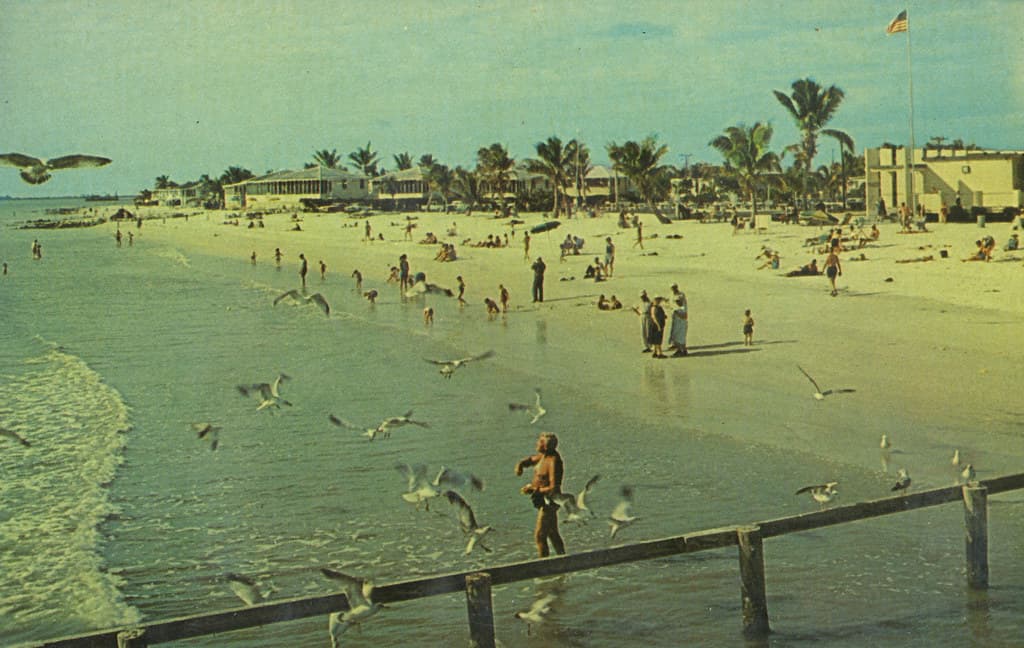
South Beach begins where the Rogue River spills into the Pacific, a meeting of currents that carves sandbars and leaves tide pools brimming with anemones, hermit crabs, and bright orange starfish. The beach runs wide and level, bordered by grassy dunes and backed by Highway 101. Driftwood logs—some as thick as car hoods—pile in silvered heaps, ready-made for scrambling children and adults who remember how to build forts. The sand itself shifts from coarse pebbles near the waterline to fine powder higher up, marked by the delicate tracks of sanderlings. Winter brings king tides and storm fronts that stack waves in thundering sets, drawing locals with thermoses and binoculars to watch the Pacific flex its muscle. Summer softens the scene with warmer winds and lower surf, though the water remains brisk enough to keep swims short and invigorating. Beachcombing peaks after storms, when Japanese glass floats, crab buoys, and whole sand dollars wash ashore. The beach feels democratic and unfussy—no entrance kiosks, no roped-off sections. Dogs sprint off-leash through the shallows, kites tug at their strings, and extended families claim driftwood logs as picnic tables. By late afternoon, the offshore rocks glow rust and amber, and the horizon becomes a study in gradients: steel, rose, indigo.
Places, rentals, tours and events within walking and driving distance of South Beach (Gold Beach).
Photos
Swimming at South Beach is generally not recommended due to cold Pacific Ocean temperatures (typically 50-60°F year-round), strong currents, and unpredictable waves. Sneaker waves are a particular hazard on the Oregon coast and can sweep people off rocks or shoreline without warning. The beach is better suited for wading, beachcombing, and tide pooling. Always supervise children closely, never turn your back to the ocean, and stay off logs and rocks near the water. Check local conditions before visiting.
South Beach is accessible year-round, with each season offering different experiences. Summer (June-August) brings the warmest, driest weather, ideal for families and beachcombing. Spring and fall offer fewer crowds and dramatic storm watching opportunities. Winter can be rainy but provides spectacular wave action and possible whale watching (December-January for gray whales). Fog is common in summer mornings. For the best weather, visit late summer through early fall when temperatures are mild and rainfall is lower.
South Beach has a dedicated parking area off South Beach Road (also called Airport Way), accessible from Highway 101 south of downtown Gold Beach. Turn west at the South Beach sign and follow the paved road to the parking lot. Parking is free and accommodates several dozen vehicles. The lot provides direct beach access via a short sandy path. During peak summer weekends, arrive early as the lot can fill. Alternatively, there's street parking along residential areas nearby, but respect private property.
Gold Beach's main commercial district is approximately 1-2 miles north of South Beach along Highway 101, offering numerous dining options from seafood restaurants to cafes and casual eateries. Accommodations range from oceanfront hotels and motels to vacation rentals and RV parks. Several lodging options are within walking or short driving distance of South Beach. For groceries and supplies, there are markets in downtown Gold Beach. The beach itself has no on-site amenities, so plan accordingly with food, water, and facilities beforehand.
South Beach is particularly family-friendly with easier beach access compared to some other Gold Beach locations. It's known for excellent tide pooling opportunities during low tide, where visitors can observe sea stars, anemones, and crabs. The beach offers stunning views of the Rogue River meeting the Pacific Ocean to the north, creating unique photo opportunities. It's also less crowded than some nearby beaches, providing a more peaceful experience. The combination of accessible tide pools and scenic river-ocean convergence makes it especially appealing for families with children.